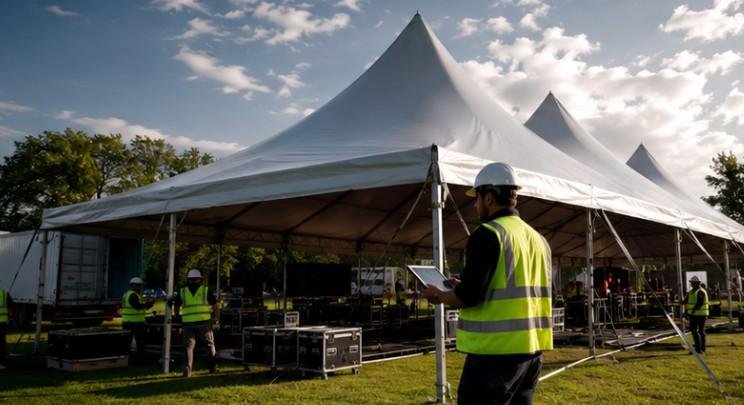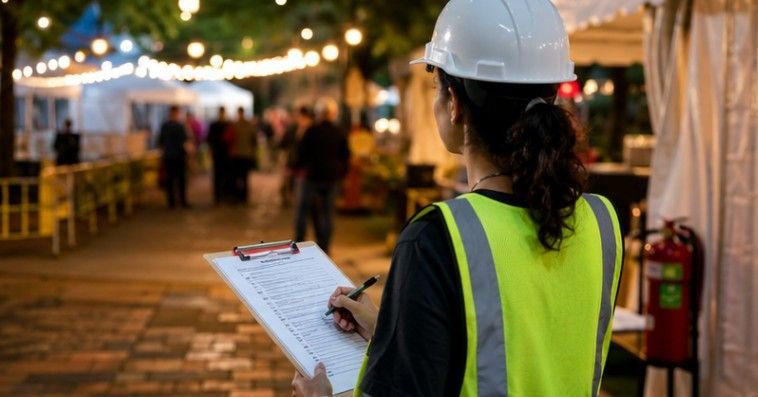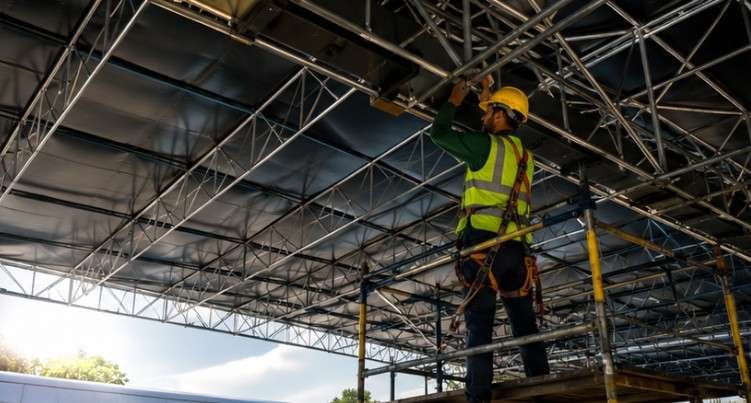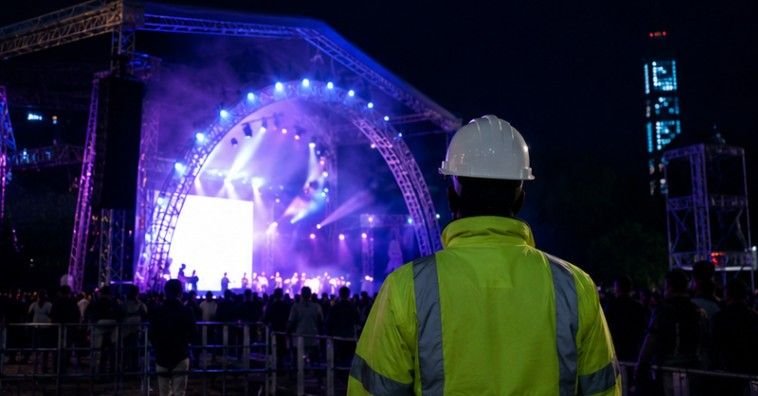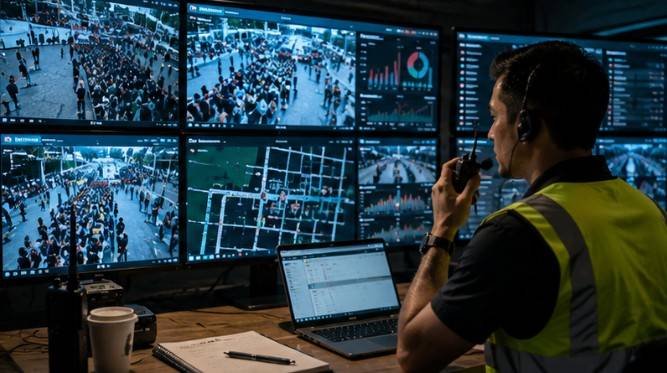
Category: Event Safety

  • Crowd Chaos? How to Manage Crowds at Events Smoothly

    Crowd Chaos? How to Manage Crowds at Events Smoothly

    Standing near the main gates at my first festival, watching thousands of eager fans surge forward at once, taught me a lesson about event safety that stuck forever. Learning how to manage crowds at events isn’t just about placing plastic barricades or hiring extra security guards. It requires an active strategy built around human psychology, real-time communication, and smart venue design to keep everyone safe and smiling.

    When people gather for concerts, sports games, or community expos, excitement runs high. High energy can quickly turn into confusion or danger if crowd density isn’t actively monitored. That is why building an adaptable safety culture before, during, and after your event makes all the difference.

    Key Takeaways: 

    • Map out ingress and egress routes weeks before doors open to prevent hazardous entry surges.
    • Cross-train ground staff in proactive de-escalation and real-time radio communication.
    • Deploy RFID ticketing and density sensors to spot emerging venue bottlenecks instantly.
    • Use serpentine barriers and high-contrast signage to maintain continuous queue movement.

    Knowing How to Manage Crowds at Events Matters

    Let’s face it, nobody attends a festival to get stuck in a human traffic jam. Learning how to manage crowds at events transforms potential chaotic stampedes into smooth, happy human rivers. When you master space design, your guests spend less time waiting in frustration and more time creating great memories.

    Good crowd control preserves your event reputation, reduces security risks, and keeps local fire marshals thrilled. It is the invisible superpower that guarantees everyone goes home safe and sound.

    Smart Planning and Venue Setup Before Doors Open

    Proactive venue mapping prevents dangerous bottlenecks long before the first attendee arrives at your gate. Knowing your venue’s maximum legal capacity and never exceeding it forms the absolute bedrock of guest protection.

    Mapping Ingress and Emergency Routes

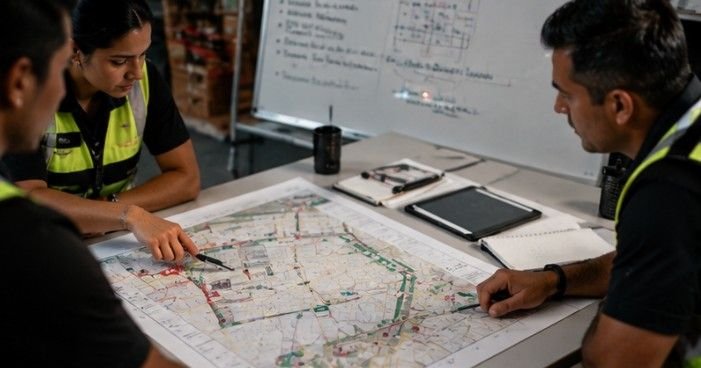
    Every successful gathering relies on smooth entry, exit, and emergency pathways. Setting up dedicated, well-marked lanes for incoming and outgoing guests keeps people moving in predictable directions. Avoid designing dead ends or tight 90-degree turns, as these naturally trap movement and create unnecessary pressure points during peak hours.

    Setting Physical Barriers and Clear Signs
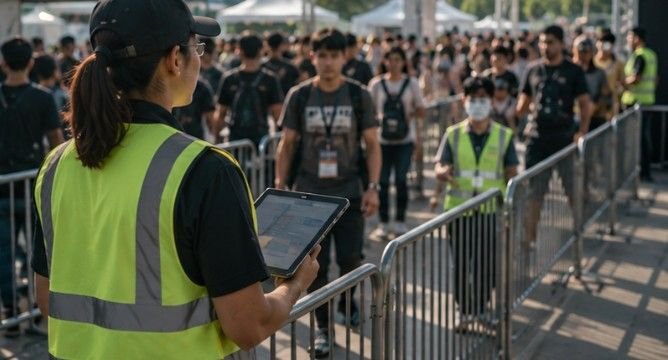
    Setting Physical Barriers and Clear Signs


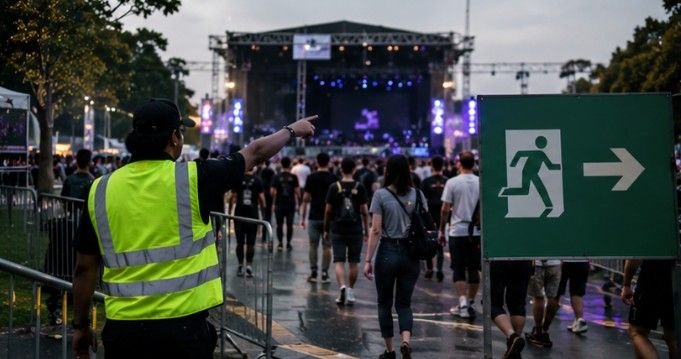
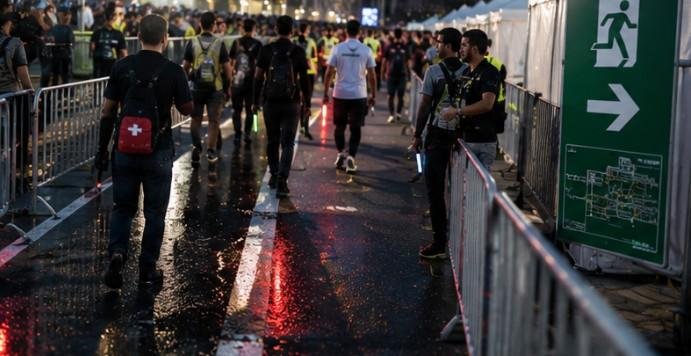
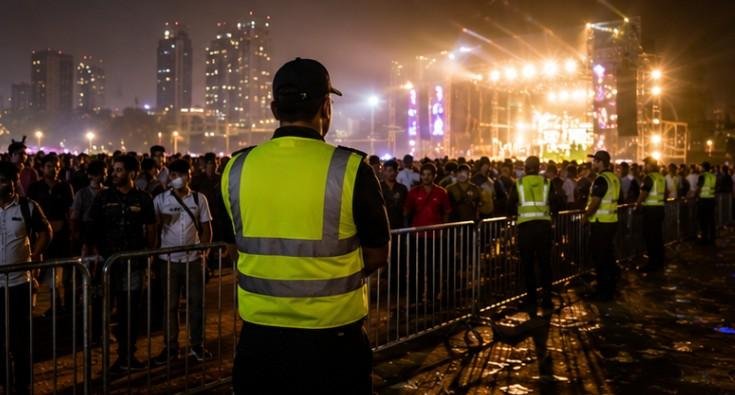
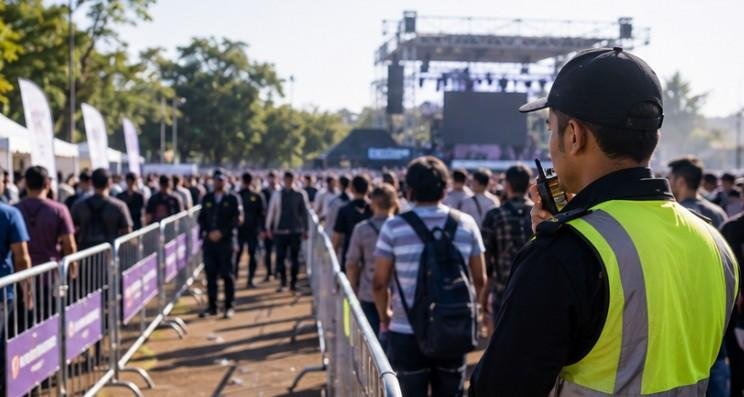
    Physical barriers like ropes or metal fences guide people in neat, orderly lines toward ticket scanners. Bright, high-contrast, easy-to-read signs showing where exits, food, and restrooms are located remove guesswork for wandering attendees. Placing water stations and concession stands along wide secondary corridors encourages attendees to disperse evenly across the entire venue footprint.

    Empowering Ground Teams and Operational Control

    Ground teams serve as your frontline eyes and ears during high-energy gatherings. Proper staffing ensures that every square foot of your venue remains monitored and supported throughout the operational lifecycle.

    Deploying Staff and Maintaining Clear Paths

    Assign at least one trained crowd manager for every 250 attendees to keep vital pathways completely open. Security guards and helpers should be positioned along the sides of main paths so they do not accidentally block walking traffic. 

    Equipping your security personnel and volunteers with verbal de-escalation skills prevents minor arguments from turning into major disruptions.

    Fast Communication and Staggered Exits

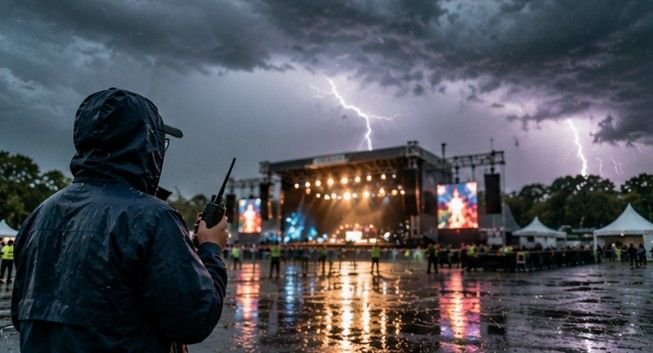
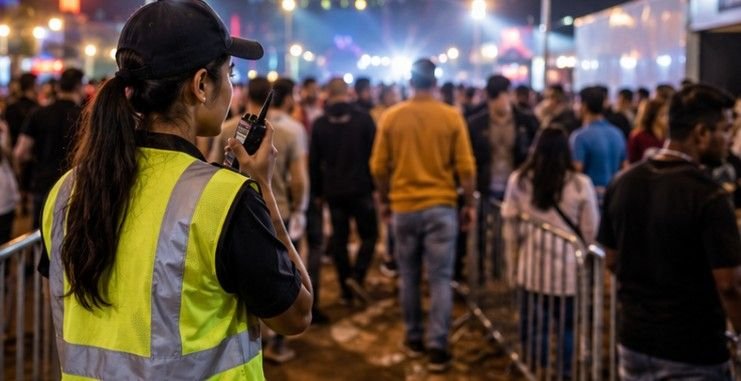
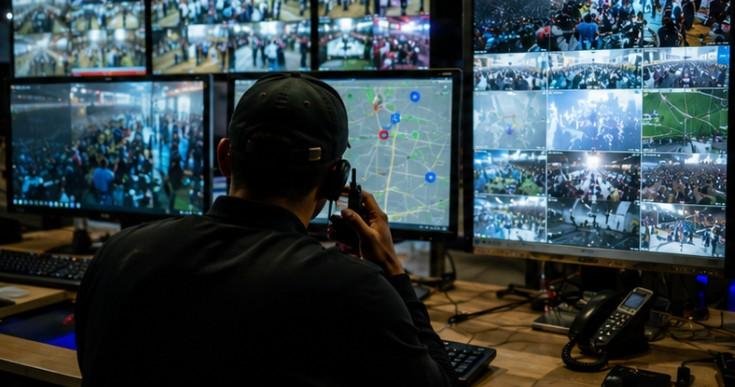
    Clear communication keeps your safety operational plan running without hiccups. Use two-way radios or mobile tools so team members can talk quickly if a problem starts. When the event ends, release exiting crowds in stages or waves to stop massive bottlenecks at local transit hubs and parking structures.

    Essential Action Steps to Manage Crowds at Events

    Executing a seamless safety strategy relies on step-by-step tactical adjustments on game day. These practical adjustments transform complex venue layouts into organized, stress-free environments for attendees.

    Step One: Set Up Serpentine Queue Systems with Clear Signage

    Begin by organizing entry points with serpentine queue lines supported by highly visible directional signage. These winding queue layouts maximize available space, often accommodating nearly twice as many attendees compared to straight lines while maintaining a steady flow of movement. 

    Clear signs indicating entrances, ticket checkpoints, and security screening areas help eliminate confusion before guests even reach the venue. Well-designed queue systems reduce bottlenecks, minimize waiting frustrations, and create a more organized arrival experience, allowing attendees to enter safely and efficiently without unnecessary crowd buildup.

    Step Two: Deploy Trained Staff at Key Decision Points
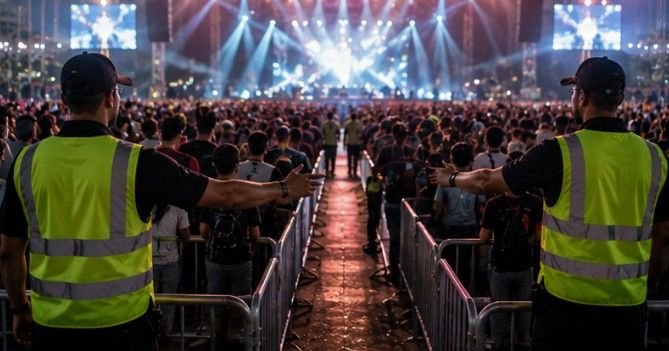
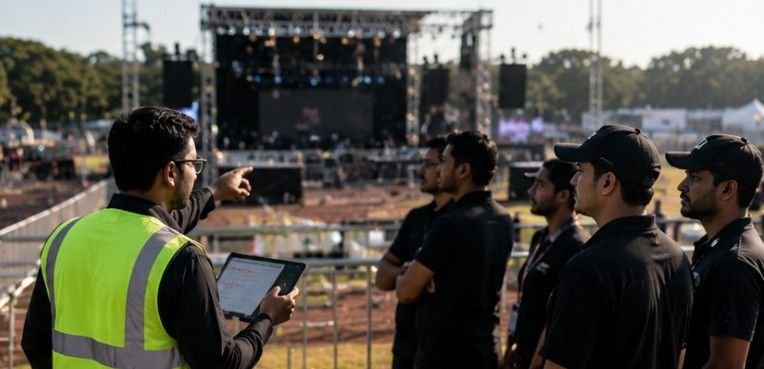
    Position experienced event staff, volunteers, or security personnel at major intersections, entrances, exits, and high-traffic areas throughout the venue. Their primary responsibility is to provide clear directions, answer attendee questions, and guide people toward less crowded pathways whenever necessary. 

    Human interaction helps reduce hesitation and confusion, preventing groups from stopping suddenly in busy corridors. With visible assistance available, attendees feel more confident navigating the venue while overall pedestrian movement remains smooth, controlled, and predictable.

    Step Three: Stagger Entertainment and Activity Schedules

    Avoid scheduling multiple headline attractions or major performances at the exact same time. Instead, stagger performances, intermissions, and popular activities across different stages or venue zones. This strategic scheduling spreads attendees more evenly throughout the event and prevents sudden waves of people moving simultaneously between locations. 

    Reducing synchronized crowd movement significantly lowers congestion in corridors, food courts, and common gathering areas, making the venue safer and more comfortable for everyone.

    Step Four: Use Real-Time Communication Channels

    Keep attendees informed through live public address announcements, digital display boards, and mobile app push notifications, especially during peak arrival or departure periods. Instant communication allows organizers to redirect guests toward alternative entrances, exits, parking areas, or less crowded sections whenever congestion begins to form. 

    Timely updates also reassure attendees, reduce uncertainty, and encourage better crowd cooperation, helping maintain a calm, orderly atmosphere even during busy periods.

    Step Five: Review Performance After the Event
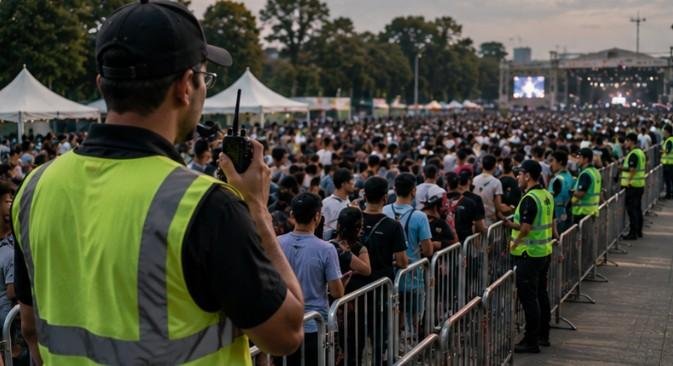
    Step Five: Review Performance After the Event

    Conduct a comprehensive post-event evaluation by reviewing incident reports, crowd movement data, staff feedback, and attendee observations. Identify successful crowd management strategies as well as areas requiring improvement, such as congestion hotspots or communication gaps. 

    Analyzing operational performance enables organizers to refine emergency procedures, improve staffing plans, and strengthen future safety protocols. Continuous evaluation ensures every event becomes more efficient, secure, and enjoyable than the last.

    Frequently Asked Questions

    1. How to control crowds in an event?

    How to control crowds in an event comes down to proactive planning, clear signage, physical serpentine barriers, well-trained security staff, real-time density monitoring, and continuous communication across all venue entry and exit points.

    2. What are the five C’s of event management?

    The five C’s are Concept, Coordination, Control, Culmination, and Closeout. In event safety, Control specifically focuses on crowd dynamics, risk management protocols, emergency readiness, and maintaining steady attendee flow throughout the venue footprint.

    3. What are common crowd management mistakes?

    Common crowd management mistakes include understaffing entry gates, ignoring bottleneck points near restrooms, failing to train staff in de-escalation, relying on single exit points, overfilling maximum venue capacity, and lacking rapid two-way communication tools.

    4. What are the three main methods of crowd control?

    The three main methods are physical controls like barricades and turnstiles, procedural controls such as timed entries and staff positioning, and psychological tactics including clear directional signage, calming lighting, and regular public announcements.

    Wrapping Up the Chaos: Your Safety Success Story

    Mastering how to manage crowds at events comes down to preparation, clear communication, and adaptable ground management. When you design smart layouts, empower your staff with proper training, and use modern tech tools, safety happens naturally. Prioritizing crowd flow keeps your attendees protected, relaxed, and fully focused on enjoying an unforgettable event experience from start to finish.
  • Crowd Management Plan for Events: Keep Guests Moving Safely

    Crowd Management Plan for Events: Keep Guests Moving Safely

    A lively event may look effortless, yet smooth entrances, clear aisles, and calm announcements come from preparation. I have seen one small bottleneck change the mood fast. A crowd management plan for events gives teams a shared playbook before excitement turns into confusion.

    Key Takeaways

    • Know legal capacity. 
    • Map crowd routes. 
    • Train staff early. 
    • Set action triggers. 
    • Review incidents after guests leave.

    Pre-Event Planning

    Strong event safety begins before opening, with accurate numbers, a realistic site plan, and people who understand their responsibilities.

    Confirm Venue Capacity

    Start with the legal occupancy set by the venue or local authority. Count everyone required, then choose a reliable attendance method. Ticket scans, clickers, wristbands, and controlled re-entry can prevent accidental overcrowding.

    Cornell University’s event crowd management guidance uses the ACE approach: keep aisles clear, know capacity, and keep exits unobstructed. Cornell also requires one crowd manager per 250 attendees for its events. Treat that figure as local guidance, not a universal national rule, because legal requirements vary.

    Map The Full Layout

    Draw a site map showing entrances, screening lanes, seating, stages, restrooms, first aid, accessible routes, exits, vehicle lanes, and assembly areas. Mark narrow corridors, stairs, blind spots, and places where crowd streams may cross.

    Walk the route at event time. Check lighting, surfaces, weather, and visibility. Ask where queues could grow, where mobility may be restricted, and how emergency responders would reach a patient during peak attendance.

    Assign Trained Staff

    Place identifiable staff at entrances, queues, stage fronts, accessible areas, and exits. Give each person a supervisor, exact post, radio channel, emergency contact method, and authority level.

    Staffing should reflect attendance, crowd behavior, alcohol service, venue complexity, weather, and local rules. The City of Oxnard requires trained crowd managers for events expecting more than 500 people at one per 250 attendees, showing why organizers must check their own permitting requirements.

    How To Build A Crowd Management Plan For Events

    The best plan follows the guest journey from arrival to departure, then adds simple responses for anything that interrupts that journey.

    How To Build A Crowd Management Plan For Events

    Profile The Crowd

    Estimate attendance by hour. Record arrival peaks, age groups, mobility needs, language needs, alcohol service, family attendance, and venue familiarity. A conference crowd behaves differently from a standing concert audience.

    Consider predictable movement around performances, session changes, giveaways, food service, weather shifts, and closing time. This profile helps planners choose staffing posts, barrier layouts, announcements, and monitoring methods.

    Set Action Triggers

    Write down warning signs that require action. Useful triggers include a queue exceeding its holding area, a blocked aisle, slow entrance throughput, a zone reaching capacity, repeated medical calls, severe-weather alerts, or radio failure.

    Connect each trigger to a response and decision-maker. Actions may include opening another lane, redirecting guests, pausing admission, sending a roaming team, or contacting emergency services. Avoid one universal density number because movement, terrain, barriers, and crowd mood change risk.

    Test The Plan

    Run a staff briefing, site walk, and radio check before opening. For complex events, hold a tabletop exercise covering overcrowding, a missing child, power loss, severe weather, a medical emergency, and evacuation.

    Ensure temporary workers understand location names, escalation steps, and backup communication methods. Record training attendance and correct gaps before guests arrive.

    During The Event

    Real-time crowd management keeps the plan active by watching conditions, protecting routes, and sharing information early.

    Keep People Flowing

    Keep aisles, corridors, stairs, gates, and exits free from equipment, standing guests, merchandise, and uncontrolled queues. Position staff where guests make decisions, not only where problems form.

    Use barriers to guide movement without creating traps or tight turns. Separate arriving and departing guests where possible. Adjust food, restroom, merchandise, and attraction lines before they overlap. Cornell states that exits, corridors, stairs, and egress routes must remain clear.

    Monitor Conditions

    Monitor Conditions

    Supervisors should combine observation with ticket scans, counts, CCTV, radio reports, weather and queue checks. Technology supports judgment, but trained people must interpret behavior and act.

    Watch for sudden stops, opposing crowd streams, barrier climbing, pushing, distress, blocked sightlines, or frustration. Record important interventions so supervisors understand changing conditions.

    Make Clear Announcements

    Tell attendees where exits, medical help, accessible services, water, transportation, and guest support are located. Give safety information before activities begin and repeat updates as conditions change.

    Prepare short messages for evacuation, sheltering, delays, lost people, disruption, and cancellation. Use speakers, screens, alerts, staff instructions, and signs. Communication should be calm, specific, and accessible.

    Emergency Protocols

    Emergency planning matches each hazard with the right response instead of treating every incident as evacuation. Look out for temporary structure safety for events.

    Emergency Protocols

    Protect Medical Access

    Place first aid in a visible location outside the densest zone. Keep emergency vehicle lanes, responder entrances, and routes to patients open.

    Give staff a way to report location, patient condition, hazards, and access routes. Share the site map and command contacts with medical providers, security, venue leaders, and local emergency services.

    Prepare Safe Evacuation

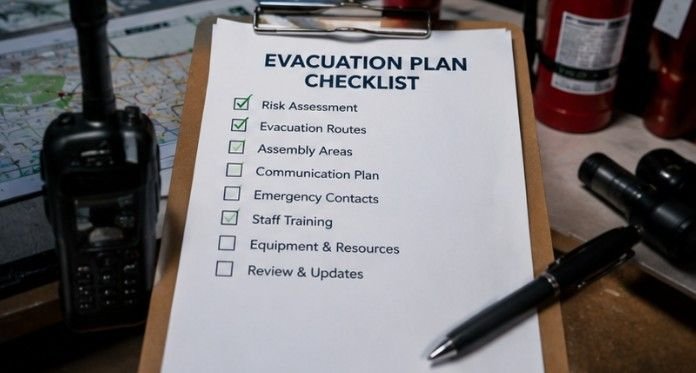
    Identify primary and alternate exits, assembly areas, accessible evacuation routes, and staff responsible for checking spaces. Doors and gates must be usable without confusing procedures or unavailable keys.

    Some threats require shelter-in-place or lockdown instead. Document who can order each action and how guests will receive instructions. The University of Mary Washington’s crowd management guidance offers a useful model for assigning exit, occupancy, communication, inspection, and coordination duties.

    Review Every Incident

    After the event, collect attendance data, queue times, radio logs, medical reports, security notes, complaints, and staff feedback. Discuss near misses, not only emergencies.

    Update maps, triggers, staffing, and procedures while details are fresh. Assign each improvement to an owner and deadline. This review turns experience into stronger event safety.

    Frequently Asked Questions

    1. What Should A Crowd Management Plan For Events Include?

    It should cover legal capacity, crowd profiles, venue maps, staffing, entry and exit procedures, communication, accessibility, emergencies, transport, monitoring triggers, training, and post-event review.

    2. Is One Crowd Manager Needed For Every 250 Guests?

    Some US institutions and local authorities use that ratio, but it is not universal. Confirm fire codes, permit terms, venue policies, and risk-based staffing needs locally.

    3. How Can Organizers Prevent Event Bottlenecks?

    Estimate traffic by time, map crossing routes, separate queues, monitor entrance speed, protect aisles, station staff at decision points, and redirect guests before congestion becomes unsafe.

    4. Do Small Events Need A Written Crowd Plan?

    Yes, when limited exits, alcohol, temporary structures, vulnerable guests, unusual activities, public access, or permit conditions create risks requiring coordinated staff action.

    Keep The Cheers, Lose The Chaos

    A memorable gathering should leave guests talking about the experience, not the exit line. A practical crowd management plan for events connects legal capacity, thoughtful venue flow, trained staff, accessible communication, emergency readiness, and post-event review. Build it around people and measurable triggers, then practice before opening. That preparation keeps guests comfortable, teams confident, events moving safely.

  • First Aid Requirements for Events: Your Safety Blueprint

    First Aid Requirements for Events: Your Safety Blueprint

    Planning a major festival or corporate gathering keeps our entire team on edge until every single guest heads home safe and happy. Meeting all the necessary first aid requirements for events is the single most critical step in protecting your attendees and shielding your venue from massive legal liability. 

    Navigating medical logistics does not have to feel overwhelming when you break down the planning process into manageable steps. As seasoned event safety coordinators, we have seen firsthand how quick response times save lives and keep minor injuries from turning into major emergencies.

    First Aid Requirements Are Your Event’s Secret Superhero

    Imagine throwing the most incredible festival of the year, only for a sudden sprained ankle or heat exhaustion incident to halt the entire show. Meeting first aid requirements for events is not just about checking off boring compliance boxes; it is your ultimate backstage pass to total peace of mind. 

    When your medical team is locked, loaded, and ready to roll, you can relax and watch your amazing event unfold without constantly sweating every minor bump or bruise.

    Decoding Regulatory Standards for Event Medical Coverage

    Understanding which government bodies oversee your venue ensures your event stays fully legal, permitted, and safe for everyone involved.

    OSHA Workplace Standards Versus Public Attendee Safety

    Occupational Safety and Health Administration guidelines mandate medical provisions for your paid staff and contractors under federal rules. While OSHA protects your workers, local city ordinances and state health departments set the rules for public attendees. 

    Balancing these two frameworks requires setting up first aid posts that serve both employees and guests seamlessly. You can review foundational workplace practise directly on the official OSHA Workplace Standards portal.

    Local EMS Coordination and Municipal Permitting Rules

    Municipalities usually require a formal event medical plan for crowds exceeding one thousand attendees. Submitting your plan to the local Safety Advisory Group or emergency services agency sixty to ninety days before your start date guarantees proper permits. Local emergency medical services agencies will evaluate your access routes and dedicated staging areas before issuing final approvals.

    Insurance and Liability Mandates

    Commercial general liability insurance policies strictly require adequate medical coverage on site. Neglecting proper first aid coverage opens your organization to severe negligence lawsuits if an attendee suffers preventable harm. Partnering with licensed medical staffing agencies shifts operational risk and satisfies insurer underwriting criteria effortlessly.

    Essential Medical Supplies and Designated First Aid Stations

    Equipping your medical team with the right gear ensures fast, to write event safety plan, efficient treatment for everything from minor cuts to severe cardiac arrest.

    Essential Medical Supplies and Designated First Aid Stations

    Strategic Placement of First Aid Kits

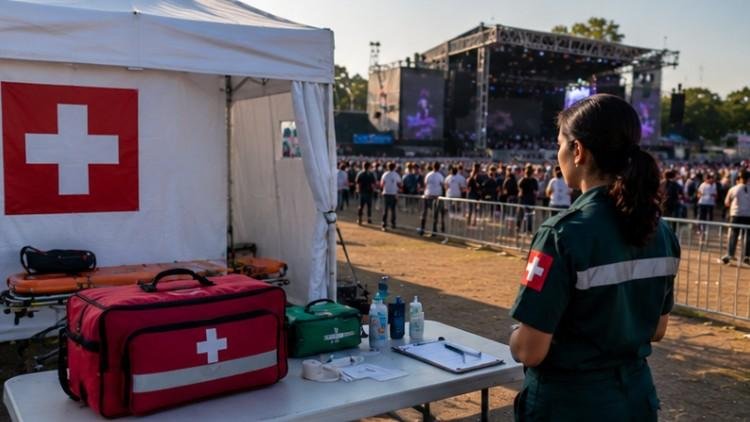
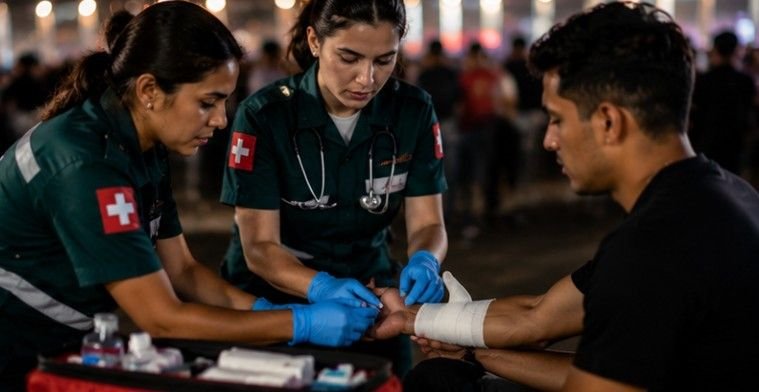
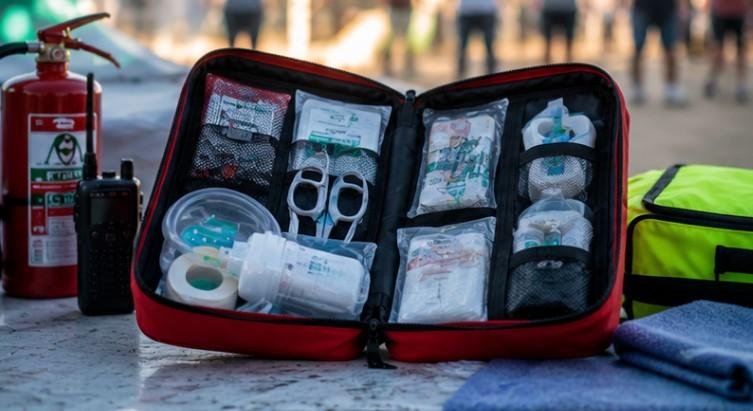
    First aid kits must be clearly visible and fully stocked near high-traffic areas like entrances, main stages, and food vendors. Stocking critical items such as bandages, gauze, antiseptic wipes, burn cream, cold packs, and medical shears ensures your team can handle immediate injuries. Keeping these kits accessible allows staff to provide rapid care without delaying response times.

    Setting Up Designated Medical Tents and Stations

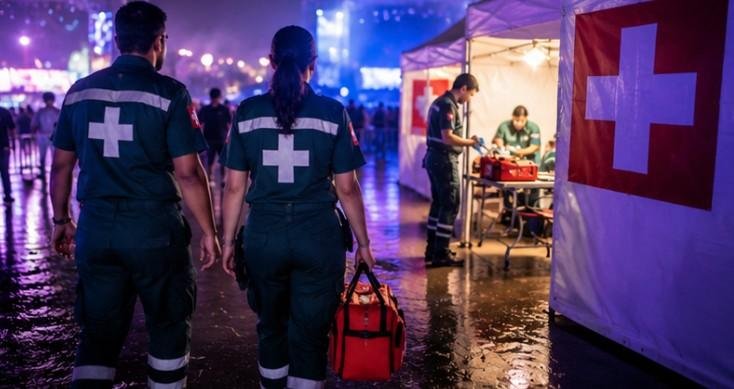
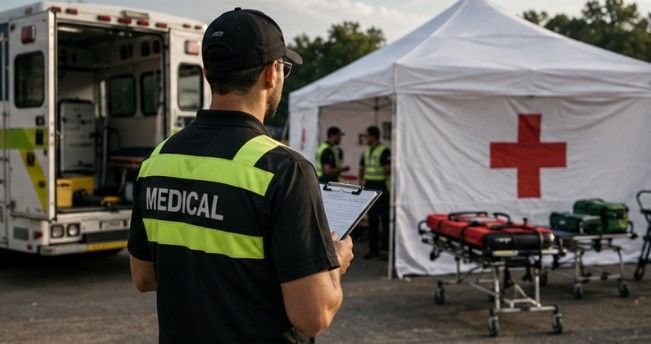
    Set up a quiet, clearly marked first aid tent or room for larger gatherings with easy access for emergency vehicles. Main first aid posts should feature climate control, private examination areas, and direct ambulance egress routes. Distributing roaming foot patrols equipped with mobile radios keeps your team responsive across massive event footprints.

    Reliable Communication and Equipment Standards

    Maintain reliable radios or phones to contact local emergency services immediately during critical incidents. Equipping first aid personnel with dedicated radio channels prevents communication breakdowns during network outages. You can review life-saving response protocols and first aid steps through the American Red Cross training guidelines to ensure your gear aligns with national standards.

    Staffing Protocols and Dedicated Professional Medical Personnel

    Determining the exact number of medical personnel on site prevents your team from under-preparing for high-risk crowds.

    Staffing Protocols and Dedicated Professional Medical Personnel

    Role of Assigned Trained Responders

    Assign staff members certified in CPR, AED use, and basic first aid to be present across all shifts. Having basic trained responders stationed at key checkpoints ensures continuous monitoring of the crowd. These responders act as the first line of defense, providing basic care and alerting advanced teams during serious medical events.

    Hiring Professional Dedicated Medical Services

    Hire dedicated medical staff such as emergency nurses or EMTs for large festivals, high-risk athletic competitions, or events serving alcohol. Professional responders possess the clinical skills necessary to handle severe trauma and administer advanced life support. Contracting certified medical providers ensures your event meets professional standards of emergency care.

    Local Permit Alignment and Headcount Mandates

    Check local municipal guidelines, such as the City of San Diego Special Events Medical Planning Document or the District of Columbia Special Events Health and Safety Guide, to see precise tier mandates for your expected headcount. Aligning your medical staffing ratios with local permit rules prevents costly municipal fines and event shutdowns.

    Evaluating Risk Factors and Crowd Environment

    Assessing environmental and demographic variables allows you to customize your medical response plan effectively.

    Crowd Demographics and Specialized Patient Care

    Account for older adults, children, or active participants who may need specialized medical care. Older crowds may experience higher rates of cardiac or mobility issues, while family events require pediatric first aid supplies. Tailoring your medical setup to your specific demographic profile ensures no guest is left unprotected.

    Environmental Elements and Weather Planning

    Plan for extreme heat by providing hydration stations and cooling tents, or prepare heating elements for cold weather conditions. Extreme outdoor weather spikes dehydration and heat exhaustion cases rapidly among energetic crowds. Adjusting your medical staffing and supply levels for nighttime operations ensures continuous safety under all conditions.

    Activity Intensity and Emergency Ambulance Readiness

    Activity Intensity and Emergency Ambulance Readiness

    Strenuous sports or physical challenges require standby ambulances and advanced life support capabilities on site. High-intensity activities significantly elevate the potential for severe orthopedic injuries and acute cardiovascular stress. 

    Having dedicated ambulance transport units on standby ensures immediate transit to local trauma centers without delaying care. For operational planning templates, you can also consult the Scouting America Event Safety Checklist to streamline your pre-event risk analysis.

    Real-Life Implementation Steps for First Aid Requirements 

    Executing your safety plan flawlessly requires a systematic step-by-step approach leading up to doors opening.

    1. First, conduct a comprehensive risk audit of your venue layout, identifying potential bottleneck zones, trip hazards, and exposed electrical wiring.
    2. Second, map out dedicated emergency vehicle access corridors so ambulances can enter and exit without driving through dense crowds.
    3. Third, finalize your medical staffing contract and verify all provider certifications, state licenses, and malpractice insurance documents.
    4. Fourth, run pre-event radio tests and brief your safety crew on basic emergency communication protocols.
    5. Fifth, inspect all onsite medical stations right before gates open to confirm AED batteries are charged and trauma supplies are fully stocked.

    Frequently Asked Questions 

    1. What are the 5 C’s of an event?

    The 5 C’s of event planning are Concept, Control, Content, Coordination, and Culmination. These fundamental pillars guide professional organizers through designing, managing, and executing safe, successful public or private gatherings from start to finish.

    2. What are first aid requirements for events?

    The first aid requirements for events encompass the necessary medical personnel, supplies, equipment, and emergency response plans mandated by law to treat attendee injuries and sudden illnesses promptly at a venue.

    3. What are the 3 C’s in basic first aid?

    The 3 C’s of basic first aid stand for Check, Call, and Care. First responders check the scene for immediate danger, call emergency medical services for help, and render appropriate care to the injured person.

    4. How to do an event checklist?

    Build an event checklist by listing all operational tasks chronologically, grouping them by category like safety, vendor logistics, or staffing, assigning deadlines, and verifying each item during pre-event walk-throughs.

    Keep The Party On Safely

    Mastering all first aid requirements for events is your ultimate blueprint for managing risk, keeping crowds secure, and executing flawless gatherings. When you combine thorough risk assessments, clear EMT ratios, properly equipped medical stations, and reliable communication tech, your event stays fully safe and compliant. Take time to audit your venue’s medical readiness today so your guests can focus entirely on enjoying an unforgettable experience.

  • Foolproof Guide: How to Write Event Safety Plan That Works

    Foolproof Guide: How to Write Event Safety Plan That Works

    Gathering thousands of eager fans for a live concert or local festival brings unmatched energy, but keeping everyone secure requires a clear blueprint. Learning how to write event safety plan frameworks turned our chaotic production schedule into a seamless, worry-free operation. You do not need a degree in crisis management to protect your crowd and venue staff effectively.

    With a practical strategy in hand, you can easily anticipate potential hazards, organize your staff, and satisfy local municipal compliance standards. We are here to walk you through every single step with zero jargon. Let us transform complex security requirements into a straightforward playbook that keeps your next big gathering completely safe.

    Essential Core Components for Your Event Blueprint

    Laying a solid foundation begins with gathering essential venue details and assigning clear operational leadership.

    Event Overview and Foundational Details

    Every successful security strategy starts with a comprehensive event overview. You need to record basic administrative data, including the official event name, exact physical location, operating schedule, and primary organizer contact details. Recording these core facts gives external partners and emergency services immediate clarity on your venue layout and event scope.

    Top institutions like Arizona State University highlight the importance of documenting site parameters early in their Event Safety Plan (ESP) Template. Defining whether your event takes place indoors or outdoors helps determine structural setup needs, generator placements, and environmental risk exposure. Keeping this basic overview accurate ensures all subsequent risk management steps align perfectly with your actual site footprint.

    Roles and Responsibilities for Key Personnel

    Organizing your staff around defined responsibilities is critical for maintaining order. Your documentation must list clear decision-makers, lead security managers, and medical coordinators along with their direct mobile phone numbers. When an unexpected incident occurs, team members must know exactly who holds the authority to pause performances or call for emergency support.

    Following guidelines from the Event Safety and Planning Checklist, delegating specific oversight duties prevents duplicated efforts during fast-moving situations. Assign dedicated captains to monitor entry gates, vendor areas, and parking zones. Providing every team member with a clear operational hierarchy ensures that safety protocols are executed swiftly and without hesitation.

    Comprehensive Risk Assessment and Hazard Scoring

    Identifying site hazards in advance allows you to mitigate risks before attendees arrive.

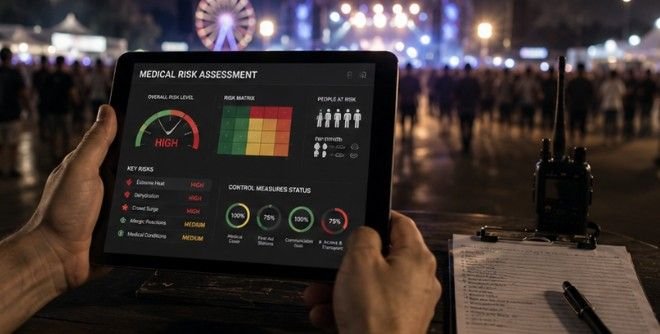
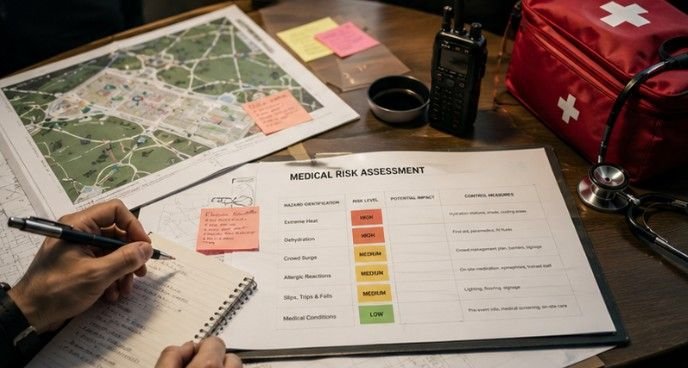
    A thorough risk assessment serves as the proactive engine of your safety document. You must evaluate every potential hazard, from unstable staging and exposed wiring to extreme weather exposure and medical emergencies. Scoring these hazards based on how likely they are to happen and how severe their impact would be helps prioritize your security budget.

    Adhering to MIT EHS guidelines ensures your team addresses both common and high-severity operational threats. A high-probability, low-impact risk like a minor slip might require simple salt distribution, while a low-probability, high-impact risk like a structural failure demands immediate professional engineering oversight. Matrix scoring keeps your resource allocation balanced and effective.

    Mastering Crowd Management and Site Access Protocols

    Regulating crowd movement and monitoring entrance gates maintains venue stability throughout your event.

    Mastering Crowd Management and Site Access Protocols

    Perimeter Security and Entry Screening

    Establishing strong perimeter security is your first line of defense against potential safety breaches. Define clear physical boundaries using temporary fencing, barricades, and clearly marked entry points. Implementing organized bag checks and metal detection screening at main gates prevents hazardous items from entering your venue space.

    Structured screening procedures also reassure attendees that their well-being is being actively protected. Staffing entrance lanes with trained personnel keeps lines moving efficiently while maintaining thorough checks. Clear signage outlining prohibited items prior to the screening area reduces gate friction and keeps security checkpoints operating smoothly.

    Maximum Capacity Limits and Flow Control

    Overcrowding poses severe risks to crowd safety and venue infrastructure. You must calculate precise venue capacity limits based on local fire codes and available square footage. Monitoring attendee counts at all entry and exit gates ensures your site never exceeds safe density thresholds during peak hours.

    Designing wide pedestrian thoroughfares and using serpentine queuing systems keeps crowd flow steady around main stages and concessions. Placing staff at potential choke points allows you to redirect foot traffic before dangerous surges occur. Proper space planning guarantees that attendees move freely while keeping clear access lanes for medical teams.

    Real-World Action Steps

    Translating planning concepts into clear operational documentation requires a systematic step-by-step approach.

    Real-World Action Steps

    Drafting Actionable Step-by-Step Response Guides

    Writing an actionable safety plan starts with organizing your protocols into chronological sections. Begin by detailing pre-event setup checks, followed by active-event monitoring steps, and concluding with post-event breakdown procedures. Using clean, plain language ensures that any staff member or volunteer can understand their duties without needing technical training.

    Resource guides such as the SIRV Security Plan Event Template emphasize using simple response templates for specific scenarios. Outline exact procedures for lost children, suspicious packages, power outages, and severe weather delays. Having standardized, step-by-step instructions pre-written eliminates panic and ensures consistent performance across your entire operational team.

    Conducting Staff Briefings and Training Drills

    A well-written document is only effective if your team understands how to execute it on the ground. Host mandatory pre-event briefings with all staff, security personnel, and key vendors to review emergency procedures. Running brief mock scenario drills helps identify communication gaps and clarifies individual responsibilities before gates open to the public.

    Distributing concise reference cards to field staff gives them immediate access to emergency phone numbers and evacuation maps. Encouraging open feedback during training sessions helps refine operational steps based on real-world staff observations. Thorough preparation builds a confident team capable of handling any situation calmly.

    Emergency Response and Medical Support Systems

    Preparing comprehensive medical and evacuation procedures ensures attendee protection during critical health or weather events.

    Emergency Response and Medical Support Systems

    Medical Support and First-Aid Station Setup

    Establishing accessible medical support stations across your venue layout is essential for public safety. Clearly mark all first-aid tents with elevated signage so attendees can locate medical help instantly from anywhere on-site. Stock stations with essential supplies, automated external defibrillators, and fully certified medical professionals based on total management of crowd size.

    Positioning medical posts near high-density areas allows for rapid response times when injuries occur. Contracting professional emergency medical services ensures seamless handoffs if an attendee requires transport to a local hospital. Maintaining detailed medical incident logs helps identify recurring venue hazards during the event.

    Evacuation Routes and Assembly Point Mapping

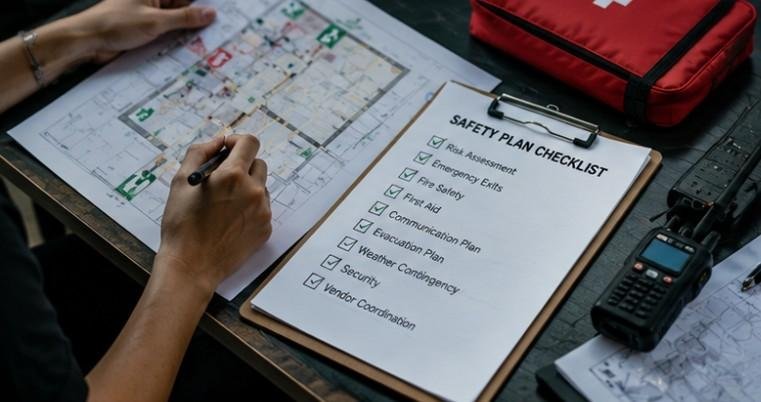
    An effective evacuation strategy requires clearly mapped exit routes that remain unobstructed throughout your entire event. Designate multiple primary and secondary assembly points located safely outside your venue perimeter. Ensure all emergency exits feature brightly illuminated signage and crash-bar hardware for quick manual operation.

    Consulting resources like the National Weather Service Event Ready Guide helps you plan dedicated access corridors for incoming emergency vehicles. Keeping designated emergency lanes completely clear of vendor trucks and pedestrian crowds allows fire and rescue teams to reach critical zones instantly. Clear physical mapping saves vital minutes during time-sensitive evacuations.

    Multi-Channel Communication Systems

    Maintaining uninterrupted communication across your entire team is essential during fast-moving events. Utilize dedicated two-way radio channels, assigning separate frequencies for general operations, security personnel, and medical responders. Establishing a strict radio protocol prevents channel clutter and keeps emergency communication lines open at all times.

    Incorporate public address systems and digital display screens to deliver clear instructions to attendees during unexpected disruptions. Pre-scripting announcement messages for weather delays or evacuations prevents panic and delivers authoritative guidance. Seamless communication ensures every part of your safety network moves as a unified team.

    Frequently Asked Questions 

    1. How to write a safety plan?

    Learning how to write event safety plan documentation involves identifying venue hazards, scoring potential risks, and assigning key roles. You must map exit routes, detail medical protocols, establish clear communication channels, and coordinate directly with local emergency services.

    2. What are the five C’s of event planning?

    The five C’s are Concept, Control, Coordination, Cultivation, and Closeout. The Control phase focuses on risk management, vendor compliance, crowd monitoring, and safety execution to keep your event safe and seamless.

    3. How to write an event plan?

    Write an event plan by outlining goals, schedules, budgets, and venue layouts. Include dedicated sections for staffing responsibilities, vendor management, promotional strategy, crowd flow, and a complete emergency safety protocol.

    4. What are some ideas for safety events?

    Great ideas include conducting interactive CPR workshops, hosting pre-event mock evacuation drills, offering fire extinguisher practice, and setting up guest safety awareness booths. Interactive training keeps staff prepared for unexpected emergencies.

    Ready to Throw the Safest Party on the Planet?

    Creating an outstanding safety strategy gives you the confidence to host unforgettable gatherings without stressing over unexpected crises. By assessing venue hazards, assigning clear staff roles, and mastering how to write event safety plan documents, you protect your crowd and reputation simultaneously. Put these proven steps into action today, empower your operational crew, and launch your next big event with complete peace of mind!

  • Temporary Structure Safety for Events Ultimate Setup Playbook

    Temporary Structure Safety for Events Ultimate Setup Playbook

    We all love the electric energy of an outdoor festival, but behind every great concert or corporate rally lies a massive commitment to temporary structure safety for events. Nothing ruins a celebration faster than a shifting stage or a loose marquee when the wind picks up. We are here to guide you through every essential safety step so your gatherings stay fully compliant, rock-solid, and completely worry-free.

    Key Takeaways

    1. Calculating vertical structural loads ensures heavy staging, lighting rigs, and sound equipment remain fully supported without risk of tipping or collapse.
    2. Following national standards like ANSI E1.21-2024 guarantees that temporary outdoor stages withstand live loads, dynamic forces, and unexpected environmental changes.
    3. Monitoring real-time wind speeds with on-site anemometers allows teams to take swift action before high gusts compromise open-air tents and trusses.
    4. Matching ground anchoring options to specific soil types prevents dangerous structural shifting during heavy rainfall or intense foot traffic.
    5. Securing formal handover certificates from independent inspectors provides verifiable proof that your event site is officially safe for public entry.

    Structural Loads and Engineering Design Rules

    Setting up temporary event venues requires deep technical planning to guarantee every frame, stage, and overhead truss remains balanced under heavy loads.

    Calculating Vertical Structural Loads

    Vertical loads represent the total combined weight pushing directly down on your event foundations. We always factor in the self-weight of structural steel frames, subflooring, heavy concrete ballast, and massive suspended gear like speakers and LED video walls. Neglecting any component can cause uneven weight distribution that compromises overall structural integrity.

    When planning complex stage designs, we refer strictly to updated technical framework standards like ANSI E1.21-2024 for temporary structures. These engineering guidelines outline exact weight allowances and dynamic motion forces generated by moving equipment or performing artists. Applying these precise calculations upfront prevents structural sagging and catastrophic frame failures during showtime.

    Engineering Data and Certified Drawings

    Every major temporary installation requires verified engineering documentation prepared by a qualified structural professional. We never rely on guesswork or basic visual estimates when erecting large clearspan tents or elevated spectator grandstands. Professional engineering drawings specify exact load boundaries, connection details, and stress limits tailored to your specific event site footprint.

    Reviewing these technical documents before construction gives your setup crew a clear roadmap for safe assembly. Certified drawings also provide clear evidence to local authorities that your temporary build meets rigorous engineering practices. Keeping these stamped structural plans accessible on site ensures complete transparency during official municipal inspections.

    Navigating Building Code Regulations

    Navigating Building Code Regulations

    Local building codes dictate strict legal parameters for temporary gathering spaces to protect public safety. We pay close attention to Chapter 31 specifications covering tents, grandstands, and special structures within the International Building Code framework. These regulations define mandatory height limits, fire resistance standards, exit capacities, and maximum allowable operational durations.

    Complying with Chapter 31 regulations ensures your venue satisfies both municipal fire safety rules and structural building guidelines. Failing to secure the right permits can result in costly project delays or total event shutdowns right before doors open. Building strong working relationships with local inspectors early guarantees a smooth approval process for your temporary venue.

    Anchoring and Smart Weather Management

    Unpredictable outdoor weather poses a constant threat to temporary installations, making secure ground ties and real-time atmospheric tracking absolutely essential.

    Tracking Real-Time Wind Limits

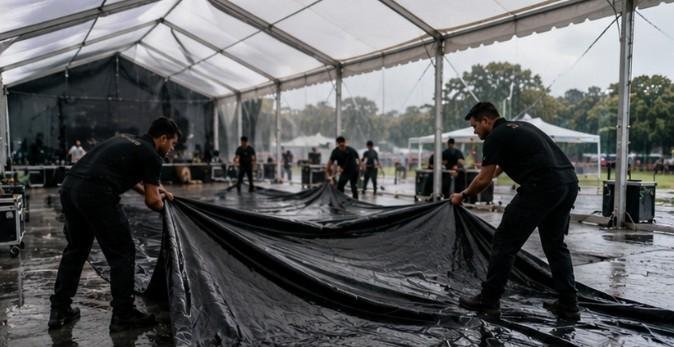
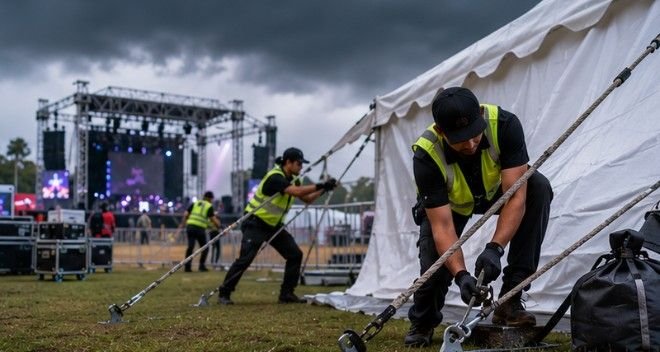
    Wind forces can turn large canvas tents and stage scrims into giant sails if maximum wind load thresholds are exceeded. We establish clear operational wind speed limits during the planning phase and install calibrated digital anemometers directly on top of structural trusses. Continuous wind tracking allows us to receive instant alerts when sudden gusts approach critical engineering limits.

    Having pre-established action levels ensures our crew knows exactly when to lower hanging video screens or remove side curtains. If wind speeds surpass safe operational boundaries, clear protocols dictate immediate stage evacuation procedures to protect artists and audience members. Proactive weather monitoring removes dangerous surprises and keeps everyone safe during unexpected storms.

    Securing Heavy Ground Anchors

    Anchoring systems must provide sufficient hold-down resistance to counteract vertical uplift and lateral sliding forces caused by wind. We select specialized ground security methods, including heavy-duty steel stakes, water-filled weight containers, or massive concrete ballast blocks. The chosen method must directly match the specific soil density or pavement condition at your venue.

    Driving steel pins deep into compact earth offers superior holding power compared to surface weights on smooth asphalt. When using concrete blocks on concrete surfaces, we always calculate surface friction coefficients to prevent weights from sliding under lateral pressure. Proper anchoring guarantees your temporary structures remain firmly planted regardless of ground shifts or wind stress.

    Essential Industry Safety Guidelines

    Staying informed on modern safety recommendations requires referencing established industry health and safety publications. We regularly review health and safety advice from HSE Temporary Demountable Structures alongside expert technical breakdowns published in Structure Magazine. These authoritative resources share vital insights regarding hardware wear, fatigue limits, and real-world failure prevention tactics.

    Integrating these expert recommendations into your standard operating procedures elevates your overall site safety management. Continuous education keeps build crews aligned with global best practices for rigging, framing, and anchoring temporary venues. Prioritizing ongoing training ensures your team identifies potential structural hazards long before they threaten public safety.

    Executing Erection Inspections and Handover Sign-Offs

    Verifying structural stability through formal inspection processes ensures every fastener, cable, and baseplate is completely secure before public entry.

    Executing Erection Inspections and Handover Sign-Offs

    Rigorous Build Check Inspections

    Once structural assembly is finished, we require a trained, independent professional to perform an exhaustive erection check across the entire venue site. This independent inspector meticulously examines truss pins, guy wires, ballast connections, scaffolding clamps, and structural alignment. Independent reviews eliminate bias and catch subtle assembly mistakes that busy setup crews might overlook during fast-paced builds.

    Systematic physical walkthroughs ensure that all temporary installations strictly match certified engineering drawings and manufacturer guidelines. Inspectors verify that guardrails, handrails, and non-slip ramp surfaces are firmly secured to prevent accidental falls. Completing this rigorous check guarantees your event space stands fully prepared for intense crowds and dynamic operational use.

    Securing Official Handover Certificates

    The final step of the erection process involves obtaining a signed completion or handover certificate from your qualified structural inspector. This official document formally confirms that the temporary structure is safe, fully compliant, and ready to welcome guests. Receiving this written sign-off establishes a clear operational boundary between the construction phase and live event operations.

    Storing signed handover certificates in your event management records provides vital documentation for insurance carriers and municipal officials. It proves that your organization exercised full due diligence and adhered strictly to professional engineering standards. Having this written verification gives event hosts complete peace of mind as attendees begin entering the gates.

    How Can You Ace Temporary Structure Safety?

    Executing temporary structure safety for events requires a systematic operational workflow that begins long before setup day and continues until final teardown. 

    How Can You Ace Temporary Structure Safety

    First, conduct an extensive site assessment to inspect ground slope, soil stability, overhead power lines, and underground utility corridors. Documenting physical layout constraints early allows engineering teams to adjust ballast calculations and structural placement to match exact ground conditions seamlessly.

    Next, coordinate directly with certified rigging teams, structural engineers, and local building officials to secure all mandatory permits and stamped approval drawings. Establish strict build schedules that allow adequate time for assembly, ballast placement, and secondary safety checks without rushing the crew. Clear communication across all technical departments ensures every frame, truss, and tie-down strap is installed according to exact manufacturer specifications.

    Finally, execute pre-show walkthroughs, monitor live weather feeds continuously throughout the event, and maintain detailed safety logs on site. Assign dedicated safety marshals to monitor structural load shifts, wind speeds, and exit clearings while attendees are present. Following these systematic steps ensures your temporary event build remains stable, fully compliant, and completely safe from initial setup to final site restoration.

    Frequently Asked Questions

    1. How do I know if my event stage requires a local building permit?

    Most local municipalities require formal building permits if your stage stands over thirty inches off the ground or features an overhead roof structure. Always verify local municipal codes at least sixty days prior to your setup date.

    2. What is the minimum required height for guardrails on elevated stages?

    Standard building codes and safety regulations require elevated stages, access ramps, and public platforms to feature guardrails that stand at least forty-two inches high. These barriers must withstand specified lateral force pressures to prevent falls.

    3. At what specific wind speed should an outdoor stage be evacuated?

    Stage evacuation protocols usually initiate when wind gusts reach thirty-five miles per hour, but certified engineering manuals state precise limits. High-wind items like video walls and scrims must be lowered before reaching critical limits.

    4. Can concrete ballast blocks effectively replace traditional ground stakes?

    Concrete blocks can replace ground stakes when properly engineered and weighted. However, because surface friction varies on smooth ground, you must calculate friction coefficients and often use significantly heavier ballast weight than driven stakes.

    Party On Safely With Zero Structural Stress

    Mastering temporary structure safety for events gives you the ultimate confidence to host unforgettable gatherings without constant worry. By focusing on certified engineering calculations, real-time wind tracking, proper ballast anchoring, and official handover inspections, you create a rock-solid environment for every guest. Keep structural safety at the center of your event planning blueprint, and watch your celebrations shine safely every time!