Category: Carnival Attractions

  • The Growing Popularity of Immersive Carnival Experiences for Parties and Festivals

    The Growing Popularity of Immersive Carnival Experiences for Parties and Festivals

    I started noticing that people no longer talk about events the way they used to. Instead of remembering the food or decorations, they often describe the moments they participated in, the attractions they tried, and the photos they couldn’t wait to share. That shift made me realize that entertainment has become just as important as the celebration itself.

    I also found that the most memorable carnivals weren’t necessarily the biggest ones. They were the ones that invited guests to explore, interact, and become part of the experience. A few thoughtful additions often created more excitement than a long list of traditional attractions.

    What Makes Immersive Carnival Experiences Different?
    What Makes Immersive Carnival Experiences Different

    Traditional carnivals have always been built around games, rides, and food vendors. While those attractions still have their place, today’s guests often expect something that feels more engaging from the moment they arrive.

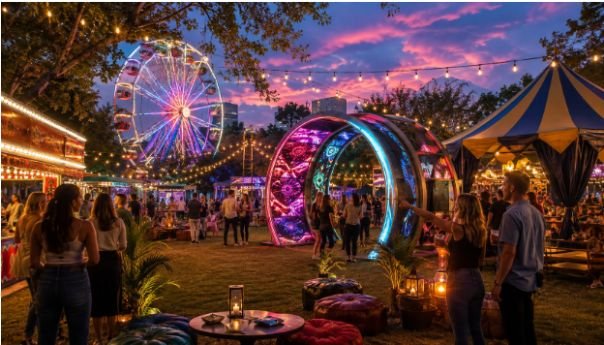
    Immersive carnival experiences encourage people to participate rather than simply observe. Instead of walking past attractions, guests become part of themed environments where every activity feels connected. Music, lighting, interactive games, performers, and creative décor work together to create an atmosphere that keeps people curious about what’s around the next corner.

    This approach appeals to guests of every age because it turns entertainment into an experience rather than a checklist of activities.

    Why Interactive Entertainment Is Becoming the Main Attraction

    People naturally remember experiences that involve movement, conversation, and discovery. That’s one reason interactive entertainment continues to grow across community festivals, corporate events, school fairs, and private celebrations.

    Social media has also changed expectations. Guests enjoy finding visually interesting spaces where they can take photos, record videos, and share moments with friends. An eye-catching backdrop, a creative game, or an unexpected performer often generates more excitement than expensive decorations alone.

    Interactive attractions also encourage guests to stay involved throughout the event instead of gathering in one area and remaining there. The more opportunities people have to participate, the more connected they feel to the overall celebration.

    Elements That Bring Immersive Carnival Experiences to Life
    Elements That Bring Immersive Carnival Experiences to Life

    Successful immersive events rarely depend on one attraction. Instead, they combine multiple elements that create a consistent atmosphere.

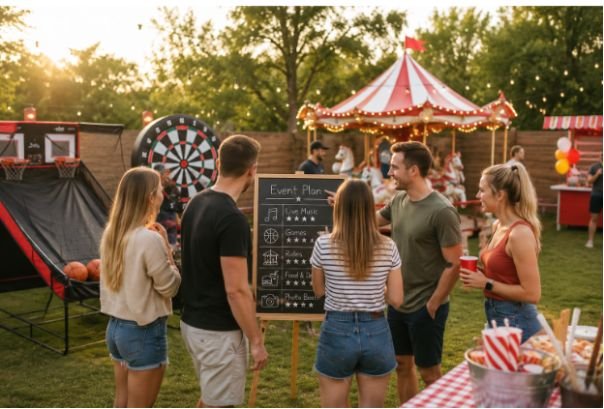
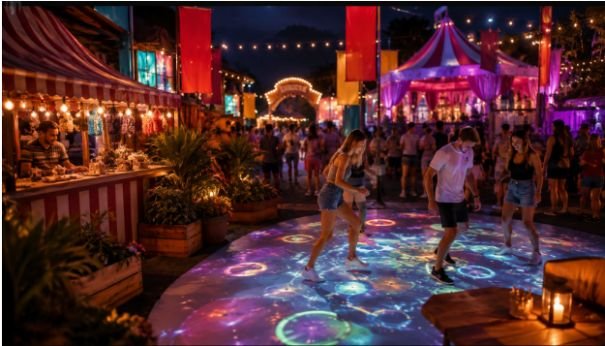
    Interactive environments are becoming increasingly popular because they transform ordinary venues into themed spaces. Separate activity zones with different visual styles, sound effects, and decorations encourage guests to keep exploring. Some event organizers even use projection mapping to change the mood of tents, stages, or walls throughout the day without rebuilding the venue.

    Living entertainment adds another layer of excitement. Roaming performers, costumed characters, and interactive actors invite conversations, hand out clues, or involve guests in short challenges. These unexpected moments often become the stories people remember long after the event ends.

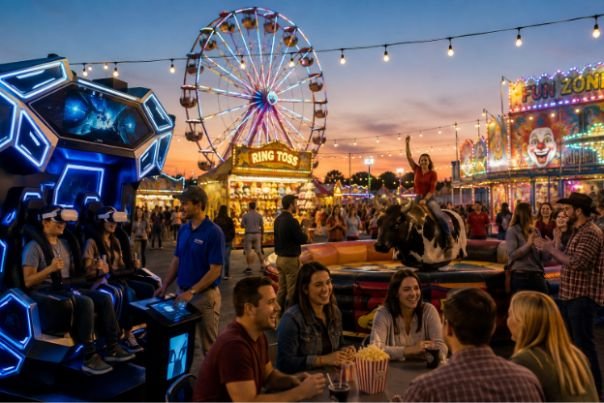
    Technology is also expanding what’s possible. Augmented reality games, RFID wristbands for tracking scores, and virtual reality attractions bring modern experiences into familiar carnival settings. While not every event needs advanced technology, thoughtful digital features can increase participation when they support the overall theme instead of distracting from it.

    Balancing Technology With Human Interaction

    Technology can certainly enhance an event, but it should never replace genuine guest interaction.

    Projection mapping, virtual reality, and wearable technology create exciting moments, yet people often remember the conversations they had while solving challenges or participating in games together. That balance is what separates memorable events from attractions that simply look impressive.

    Simple activities can be just as engaging when they’re thoughtfully presented. Cooperative puzzle hunts, creative workshops, carnival competitions, or live demonstrations encourage guests to participate naturally without relying on expensive equipment.

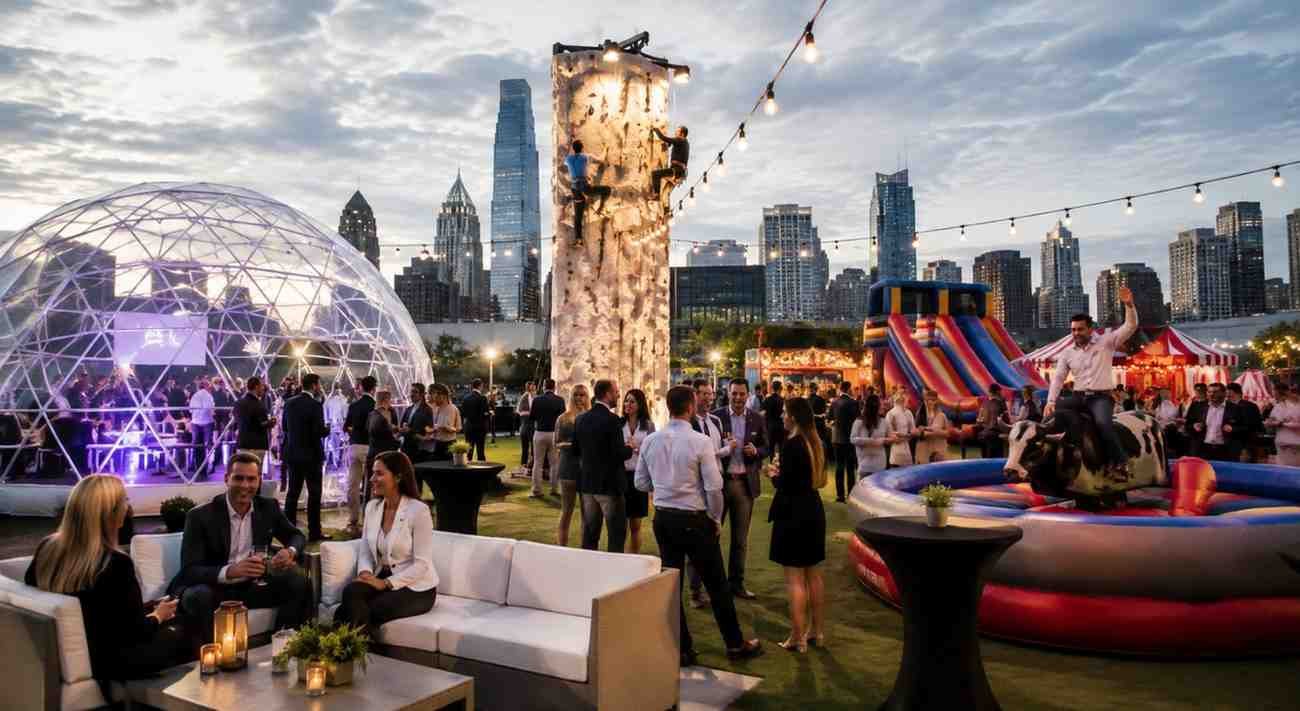
    Many organizers also find success by combining classic carnival traditions with newer attractions. Mechanical bulls, midway games, photo booths, and live performers continue to draw crowds because they create shared experiences that appeal across generations. Blending those favorites with modern carnival entertainment gives guests something familiar while introducing fresh ways to interact.

    Common Mistakes That Reduce Guest Engagement
    Common Mistakes That Reduce Guest Engagement

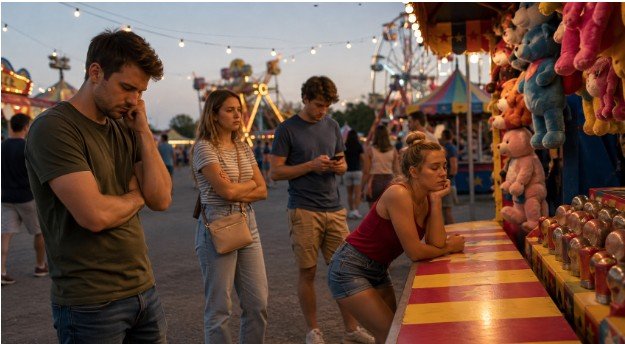
    Even well-planned events can lose energy when guest participation isn’t considered from the beginning.

    Some common mistakes include:

    • Adding too many attractions without creating a clear flow between them.
    • Focusing on technology while overlooking personal interaction.
    • Designing activities for only one age group.
    • Ignoring seating, shade, or quiet areas where guests can recharge.
    • Choosing attractions that don’t match the event’s overall theme.

    A successful carnival isn’t measured by the number of attractions it includes. It’s measured by how often guests choose to participate.

    Why Experiences Leave a Lasting Impression

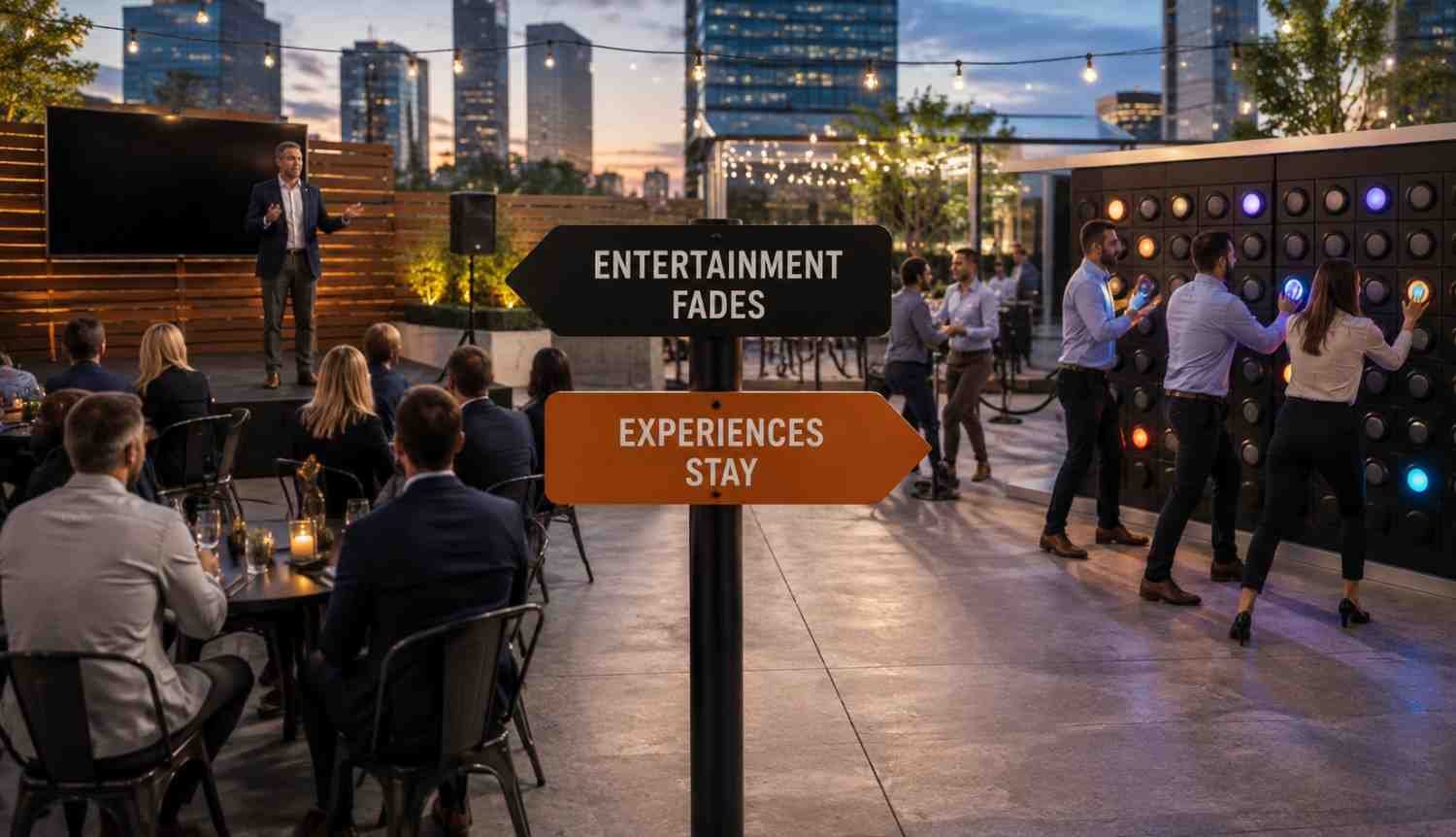
    People rarely remember every decoration or menu item months after an event. They remember the laughter during a team challenge, the unexpected conversation with a performer, or the excitement of discovering something new around the next corner.

    Immersive carnival experiences create those moments because they invite guests to become part of the story instead of watching from the sidelines. As expectations continue to evolve, events that encourage participation will remain far more memorable than those built around passive entertainment alone.

    FAQs: The Growing Popularity of Immersive Carnival Experiences for Parties and Festivals

    What are immersive carnival experiences?

    They combine interactive attractions, themed environments, live entertainment, and guest participation to create engaging events instead of passive entertainment.

    Are immersive carnival experiences suitable for corporate events?

    Yes. Many companies use interactive games, team challenges, and themed attractions to encourage networking, collaboration, and stronger attendee engagement.

    Do immersive carnival experiences require expensive technology?

    No. While technology can enhance an event, creative performers, themed décor, cooperative games, and interactive activities often create equally memorable experiences.

    How do immersive carnival experiences improve guest satisfaction?

    Guests stay engaged longer, interact with others more naturally, and leave with memorable moments that encourage positive word-of-mouth and social media sharing.

    Why the Best Events Stay With People Long After They End

    The strongest events aren’t remembered because they had the biggest budget or the newest attraction. They’re remembered because they made people feel involved. When guests laugh together, solve challenges, explore themed spaces, and create memories through shared experiences, the event becomes something they’ll happily talk about long after the lights come down.

    Creating that kind of experience doesn’t always require doing more. It simply requires designing every attraction with participation, connection, and lasting memories in mind.
  • Modern Carnival Entertainment Ideas That Keep Guests Talking

    Modern Carnival Entertainment Ideas That Keep Guests Talking

    I’ve been to enough carnivals over the years to notice that people no longer stay entertained by the same attractions for hours. The classic games and rides still bring a sense of nostalgia, but I’ve seen guests spend just as much time searching for something interactive, shareable, or completely unexpected.

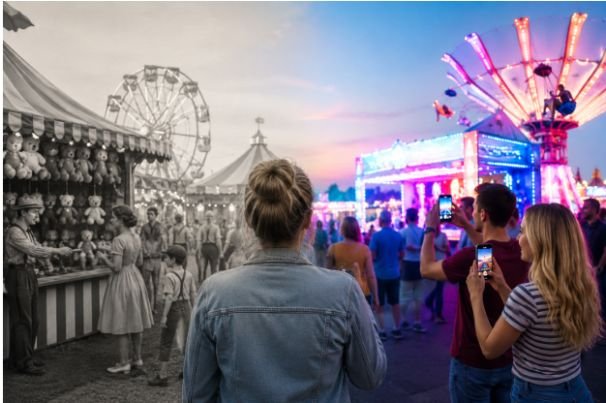
    I also started noticing that the events people talked about afterward weren’t always the biggest ones. They were the ones that blended familiar carnival traditions with fresh experiences that encouraged everyone to join in. That’s where modern carnival entertainment stands out. It creates moments people genuinely want to experience instead of simply watching from the sidelines.

    Why Carnival Entertainment Has Changed

    Why Carnival Entertainment Has Changed

    Carnivals have always been about bringing people together, but guest expectations have evolved. Families, corporate teams, and community groups now look for attractions that encourage participation instead of passive entertainment.

    Social media has played a role in this shift. Guests naturally gravitate toward attractions that look exciting in photos and videos while giving them something memorable to do. Event planners have responded by combining timeless carnival favorites with interactive technology, immersive themes, and personalized experiences.

    That doesn’t mean traditional carnival games have become outdated. Instead, they’re being reimagined with new designs, digital features, and creative storytelling that appeal to every generation.

    Interactive Attractions That Keep Crowds Engaged

    Interactive entertainment encourages guests to spend more time exploring an event while naturally increasing audience engagement.

    Digital midway games have become one of the biggest additions to modern carnivals. Instead of simple scoreboards, many attractions now feature LED displays, motion sensors, and digital scoring that create a more competitive experience. Games inspired by classic ring toss, basketball challenges, or Whac-A-Mole feel familiar while offering a fresh twist through technology.

    Another growing trend is the use of themed narrative quests. Rather than treating each attraction as a standalone activity, guests move through different entertainment zones collecting points, completing challenges, or earning digital stamps. This simple change creates a sense of progression that keeps visitors engaged from beginning to end.

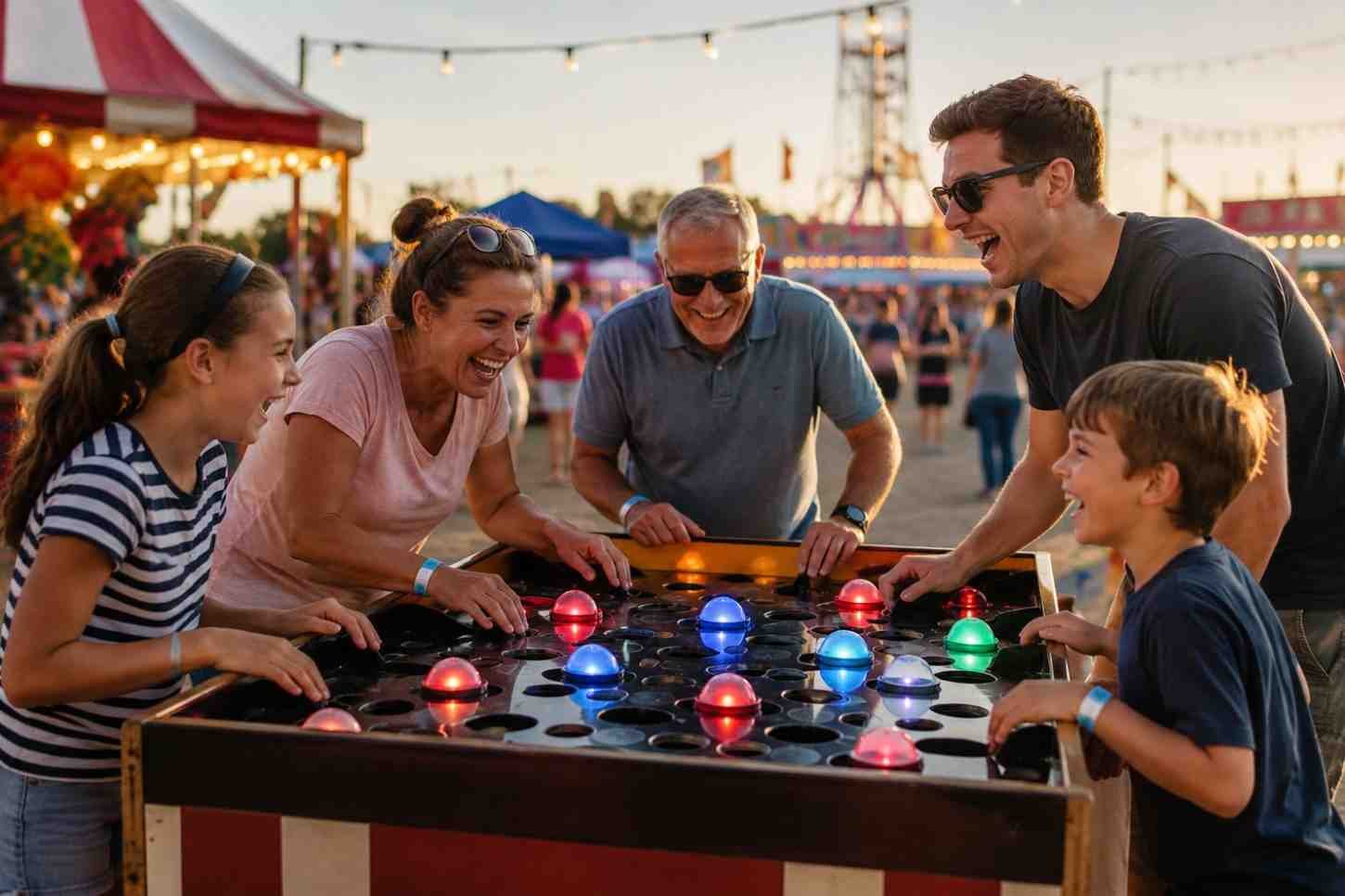
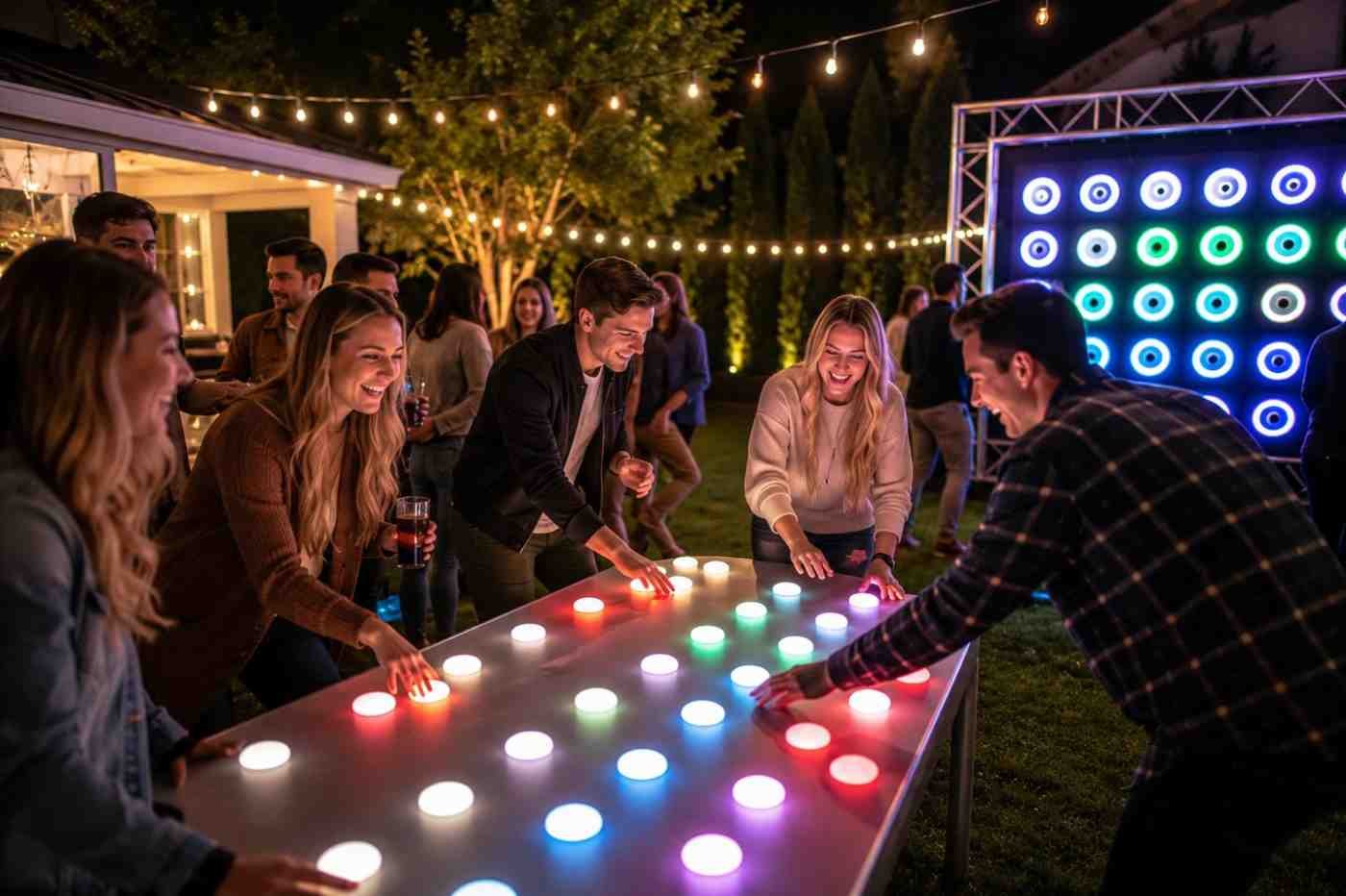
    Large-scale versions of familiar games also attract attention. Giant Jenga towers, oversized Plinko boards, and illuminated tabletop games encourage friendly competition while creating natural gathering spots throughout the event.

    Live Performers Add Energy Throughout the Day

    Live Performers Add Energy Throughout the Day

    Stage performances still have their place, but modern carnival entertainment often spreads the excitement across the entire venue.

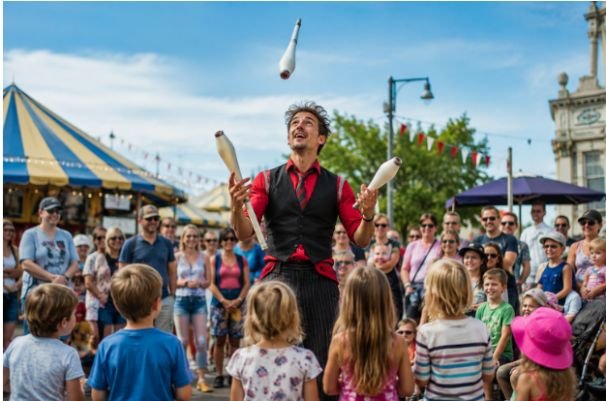
    LED jugglers, flow artists, and fire performers create visually striking shows that become even more impressive after sunset. Their performances draw crowds while adding movement and energy to open spaces.

    Stilt walkers remain popular, but today’s performers often wear elaborate themed costumes that fit the overall event. Instead of simply walking through the crowd, they interact with guests, hand out treats, pose for photos, and become part of the experience.

    Interactive mentalists have also become a favorite choice for festivals and corporate events. Rather than performing on a large stage, they move through small groups, creating personal moments that guests continue talking about long after the event ends.

    These roaming performances help prevent quieter areas from feeling empty while encouraging guests to continue exploring.

    Food Becomes Part of the Entertainment

    Food vendors are no longer just places to grab a quick snack. Many have become attractions in their own right.

    Custom popcorn bars allow guests to mix sweet, savory, and spicy seasonings to create their own combinations. The experience feels more interactive than purchasing a standard bag of popcorn.

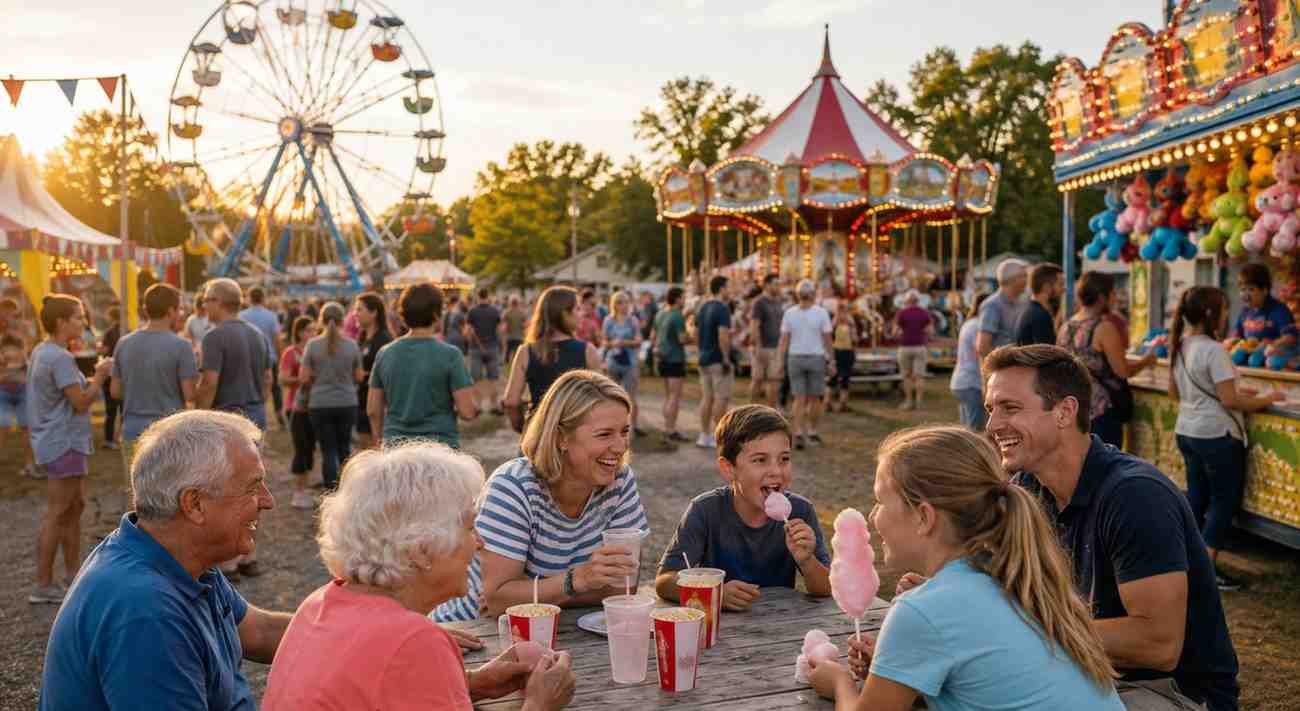
    Cotton candy has also evolved beyond the traditional pink and blue options. Skilled sugar artists now create glowing, multi-colored, and custom-flavored designs while guests watch the process unfold. The preparation itself becomes part of the entertainment.

    For adult-focused events, gourmet food stations continue gaining popularity. Craft-inspired beverages, elevated carnival classics, and creative dessert bars offer a more memorable dining experience while maintaining the playful atmosphere people expect from a carnival.

    These experiences naturally encourage guests to gather, socialize, and capture photos throughout the event.

    Entertainment That Appeals to Every Generation

    Entertainment That Appeals to Every Generation

    One challenge many event organizers face is finding attractions that appeal to both children and adults.

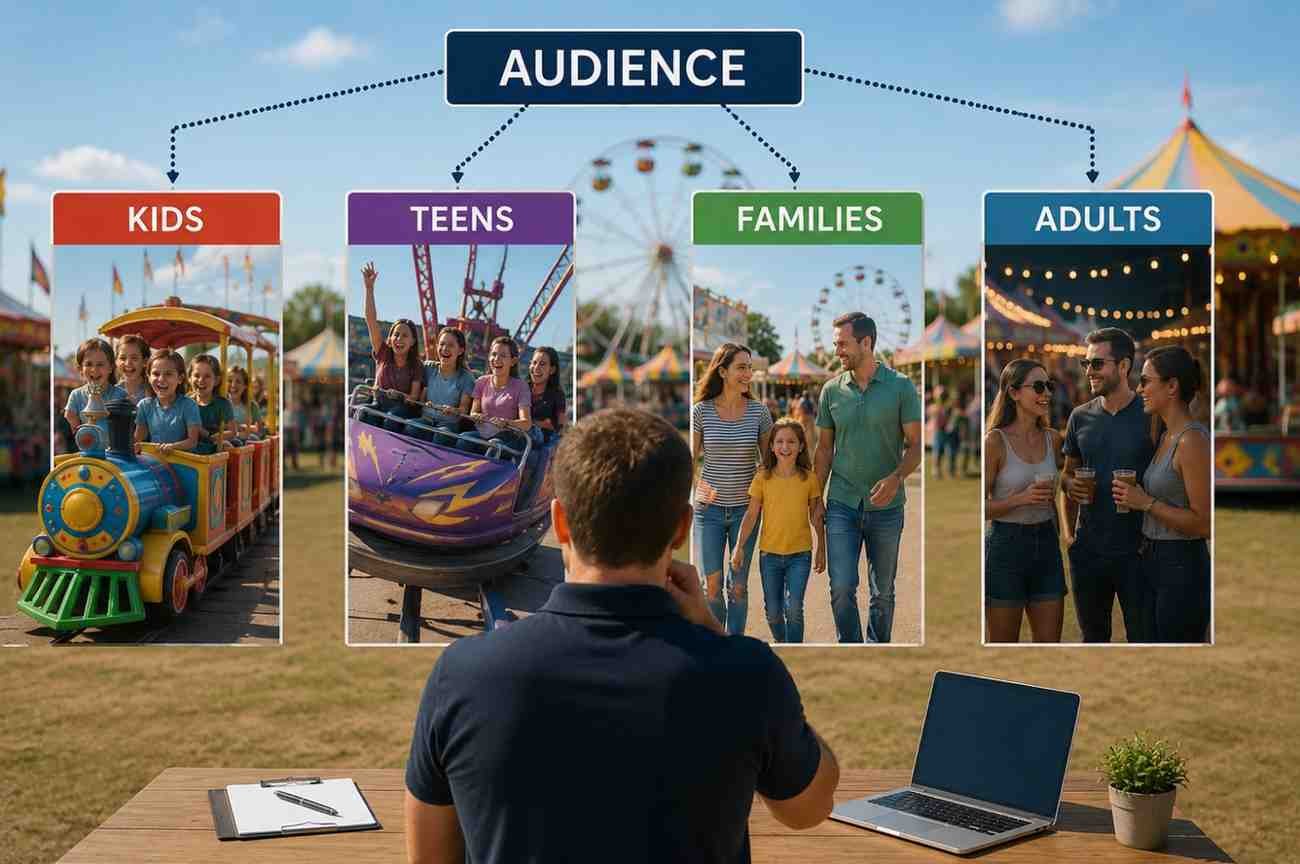
    Modern carnival entertainment succeeds by offering a variety of experiences instead of relying on a single attraction. Younger guests may enjoy inflatable obstacle courses or interactive games, while adults often gravitate toward skill-based competitions, immersive experiences, or live performances.

    Mechanical attractions continue drawing attention because they combine excitement with friendly competition. Interactive rides, climbing challenges, and unique carnival rentals encourage participation instead of simply watching others have fun.

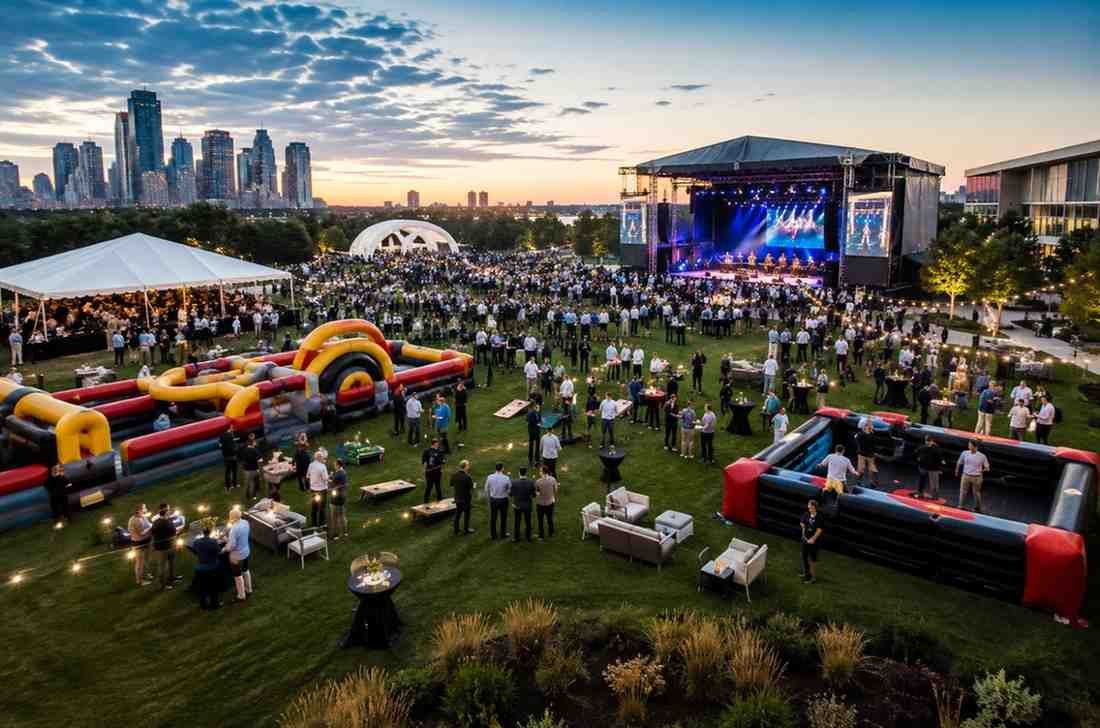
    When attractions are spread across different activity zones, guests naturally move through the venue instead of gathering in one crowded area. This improves event flow while making the entire carnival feel more energetic.

    Common Mistakes That Make Events Feel Outdated

    Adding new attractions doesn’t automatically create a memorable carnival. The overall experience matters just as much.

    Some common mistakes include:

    • Repeating identical games without introducing interactive elements.
    • Placing all major attractions in one location.
    • Offering limited entertainment for adults.
    • Ignoring opportunities for photos and social interaction.
    • Treating food vendors as an afterthought instead of part of the experience.

    A successful event blends classic carnival traditions with fresh ideas while keeping guests engaged throughout their visit.

    Choosing Entertainment That Fits Your Event

    Choosing Entertainment That Fits Your Event

    The best attractions depend on the audience rather than current trends.

    School carnivals often benefit from family-friendly games, inflatable attractions, and roaming performers who interact with children. Community festivals typically work well with live entertainment, midway games, and food experiences that encourage visitors to stay longer.

    Corporate events usually focus on team-based challenges, immersive games, and entertainment that encourages employees to connect outside the workplace. Fundraisers often achieve better results by combining interactive attractions with friendly competitions that encourage repeat participation.

    Rather than chasing every new entertainment trend, focus on creating a balanced mix of attractions that encourages guests to play, explore, and share the experience together.

    FAQs: Modern Carnival Entertainment Ideas That Keep Guests Talking

    What makes modern carnival entertainment different from traditional carnivals?

    Modern carnival entertainment combines classic attractions with interactive technology, immersive themes, live performers, and engaging food experiences to create a more memorable guest experience.

    Which attractions appeal to both kids and adults?

    Oversized games, interactive digital attractions, obstacle courses, live performers, and mechanical rides typically attract guests across multiple age groups.

    How can event planners make a carnival feel more interactive?

    Create themed activity zones, include roaming performers, offer skill-based competitions, and incorporate attractions that encourage guests to participate rather than simply observe.

    Do modern carnival attractions require a large budget?

    Not necessarily. Updating a few key attractions, improving event layout, and adding interactive experiences can significantly modernize a carnival without replacing every traditional activity.

    The Experiences People Remember Long After the Event

    The most successful carnivals aren’t defined by the number of rides or games they offer. They’re remembered because they create moments people genuinely enjoy sharing with friends and family. When technology, live entertainment, creative food experiences, and classic attractions work together, guests stay engaged longer and leave with stories worth telling instead of simply remembering another event they attended.

    Modern carnival entertainment isn’t about replacing tradition. It’s about building on it in ways that keep every generation excited to come back.

  • Best Carnival Attractions for Community Events That Bring Every Generation Together

    Best Carnival Attractions for Community Events That Bring Every Generation Together

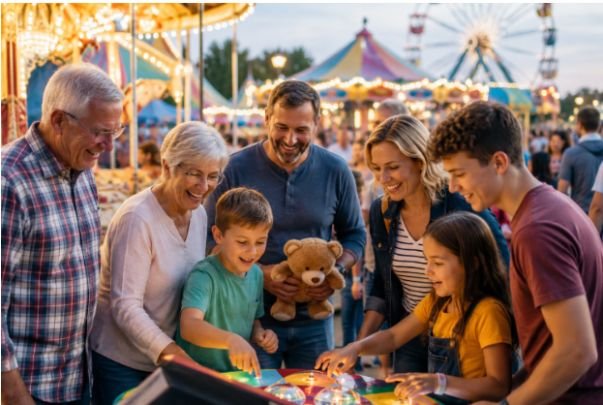
    I’ve been to community festivals where the rides looked impressive, but the event still felt disconnected because everyone ended up doing their own thing. Kids rushed to one area, adults gathered somewhere else, and grandparents mostly watched from the sidelines. Those experiences made me realize that the attractions themselves aren’t what make an event memorable. It’s how they bring people together.

    I also started noticing that the busiest attractions were rarely the newest or most expensive. Instead, they were the ones where multiple generations could laugh, cheer, compete, or simply enjoy the moment together. When families leave with shared memories instead of separate experiences, a community event feels successful long after the tents come down.

    What Makes a Carnival Attraction Great for Community Events?

    What Makes a Carnival Attraction Great for Community Events

    The best carnival attractions for community events do more than entertain. They encourage interaction, create lasting memories, and give every guest a reason to participate regardless of age.

    A successful event should have a healthy mix of classic rides, interactive games, and gathering spaces. Instead of focusing only on thrill rides, organizers should think about how attractions influence guest movement, waiting areas, and opportunities for families to enjoy activities together.

    Modern event planning also considers accessibility. Attractions that accommodate young children, seniors, and guests with mobility challenges make the entire festival more welcoming. When everyone feels included, visitors tend to stay longer, spend more with vendors, and are more likely to return the following year.

    Classic Attractions That Never Lose Their Appeal

    Some attractions have remained popular for decades because they appeal to nearly everyone.

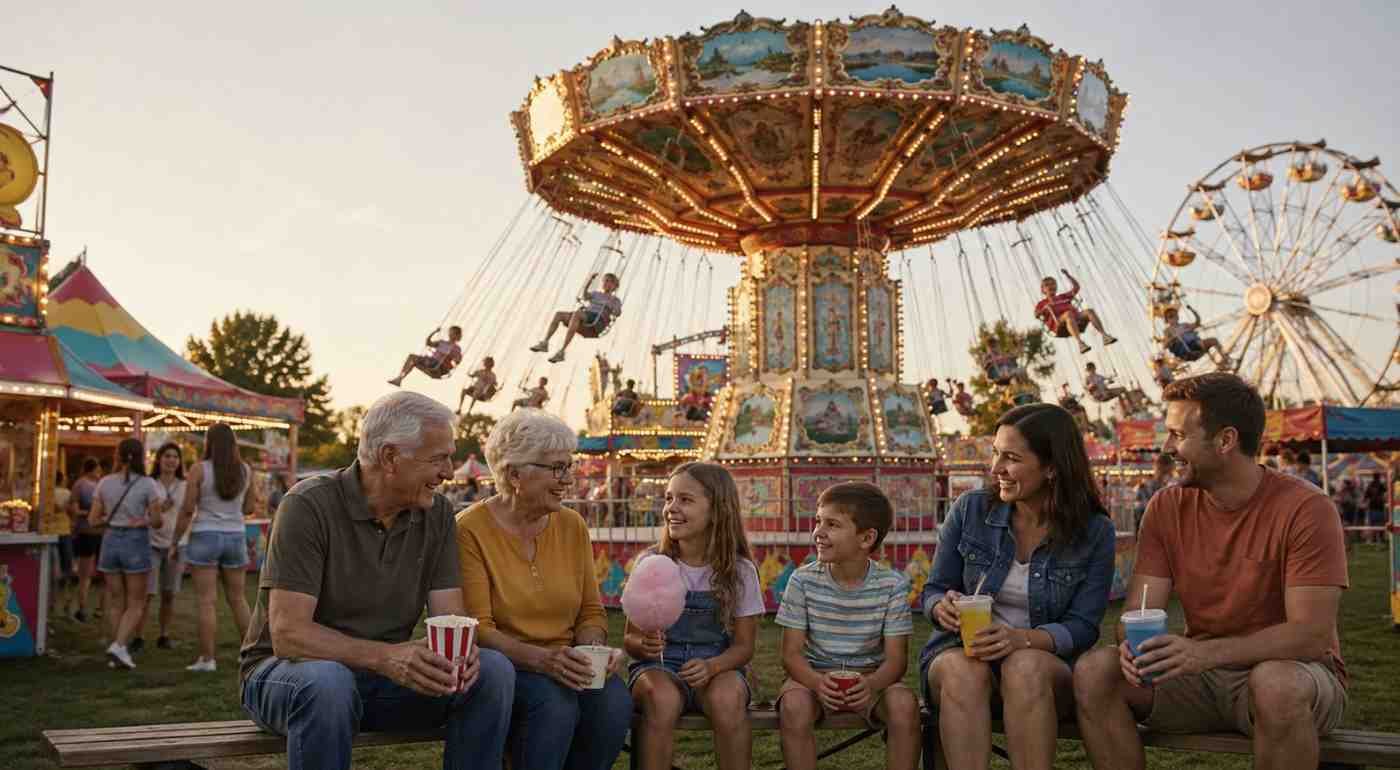
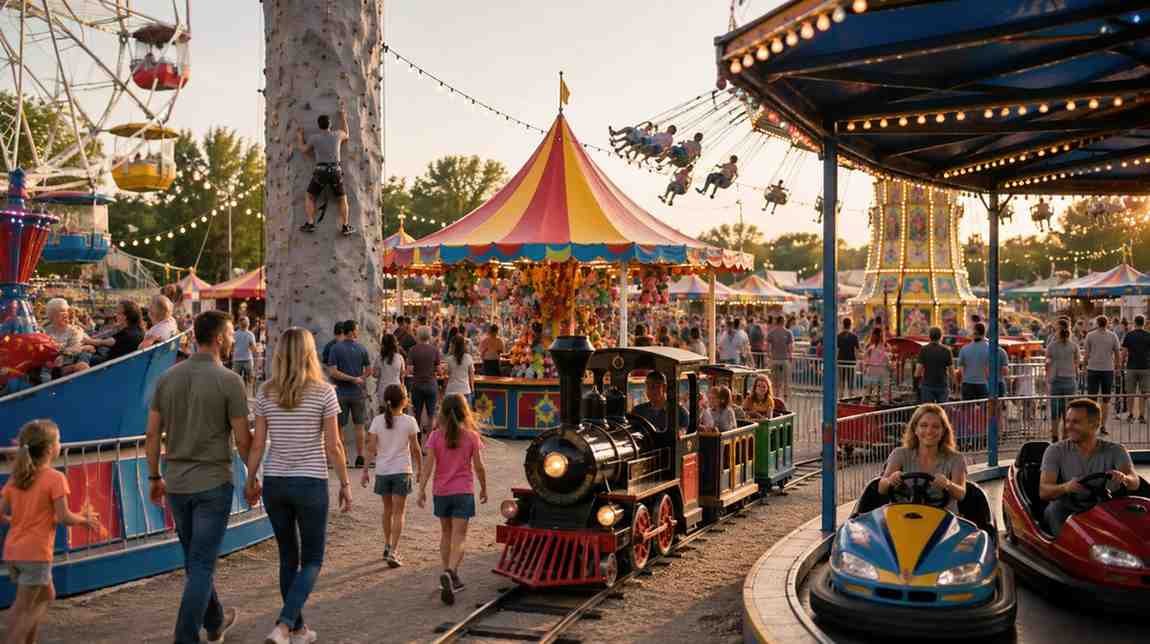
    The Giant Ferris Wheel continues to be one of the most recognizable carnival landmarks. Besides offering scenic views across the festival grounds, it gives grandparents, parents, and young children the chance to enjoy a ride together at a comfortable pace. It also naturally becomes a gathering point that helps guests navigate large event spaces.

    A traditional Carousel delivers the same timeless appeal. With beautifully decorated horses, stationary bench seating, and gentle movement, it welcomes both adventurous children and visitors who prefer a slower experience.

    The Giant Slide adds just enough excitement without becoming intimidating. Families often enjoy racing down neighboring lanes together, turning a simple attraction into friendly competition that keeps people smiling.

    Trackless trains provide another excellent option. While children love riding around the event, older guests appreciate the opportunity to rest while still experiencing the festival. They also help connect different areas of large community events without feeling like transportation alone.

    Interactive Games Bring People Together

    Interactive Games Bring People Together

    While rides attract attention, games often create the strongest conversations.

    The Cake Walk remains a favorite because anyone can participate. Combining music, anticipation, and simple rules, it creates excitement without requiring athletic ability. Children, parents, and grandparents all have an equal chance of winning a sweet prize.

    Milk Bottle Knockdown offers another example of inclusive entertainment. Younger players can move closer to the target, while older participants challenge themselves from greater distances. Everyone enjoys the same game without feeling excluded.

    Water gun races are another crowd favorite because success depends more on steady aim than physical strength. It’s always entertaining to watch children compete fairly against adults while the cheering crowd encourages every participant.

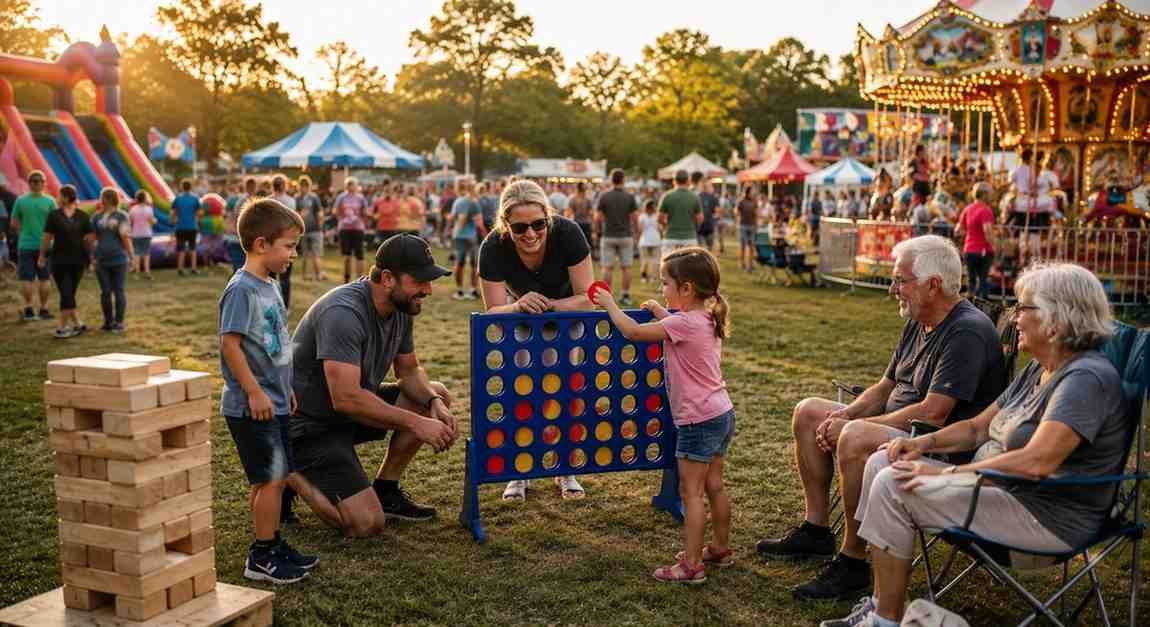
    Large lawn games such as Giant Connect Four and Giant Jenga create a relaxed atmosphere where families naturally gather. These games don’t require long lines or complicated instructions, making them perfect between rides or while waiting for performances to begin.

    Attractions That Become Community Gathering Spaces

    Some of the most valuable attractions aren’t just activities. They’re places where the community comes together.

    The High Striker consistently attracts spectators as much as participants. Watching people of every age test their strength creates laughter, encouragement, and plenty of memorable moments. Many versions now include different mallet sizes, making the challenge enjoyable for younger children as well.

    The Dunk Tank brings a different kind of excitement. Inviting school principals, local coaches, firefighters, or community leaders into the tank instantly creates a shared experience that encourages participation while supporting fundraising efforts.

    Live music and cultural performances add another important layer. Comfortable seating, shaded viewing areas, and open space near the stage allow every generation to enjoy performances in their own way. While children dance near the front, older attendees can comfortably watch from nearby seating without feeling disconnected.

    Blending Tradition With Modern Expectations

    Blending Tradition With Modern Expectations

    Today’s guests appreciate classic carnival fun, but they also enjoy attractions that create memorable moments worth sharing.

    Interactive installations, colorful lighting, oversized games, and visually striking rides naturally encourage photos throughout the day. These experiences often generate excitement before, during, and after the event as families share their favorite moments online.

    That is why many organizers now combine timeless rides with social media friendly attractions that encourage organic sharing without taking away from the traditional carnival atmosphere. The goal isn’t simply creating photo opportunities. It’s designing experiences people genuinely want to remember and talk about.

    Choosing Attractions That Fit Your Community

    Every community event has different priorities, so attraction selection should reflect the audience rather than following the latest trend.

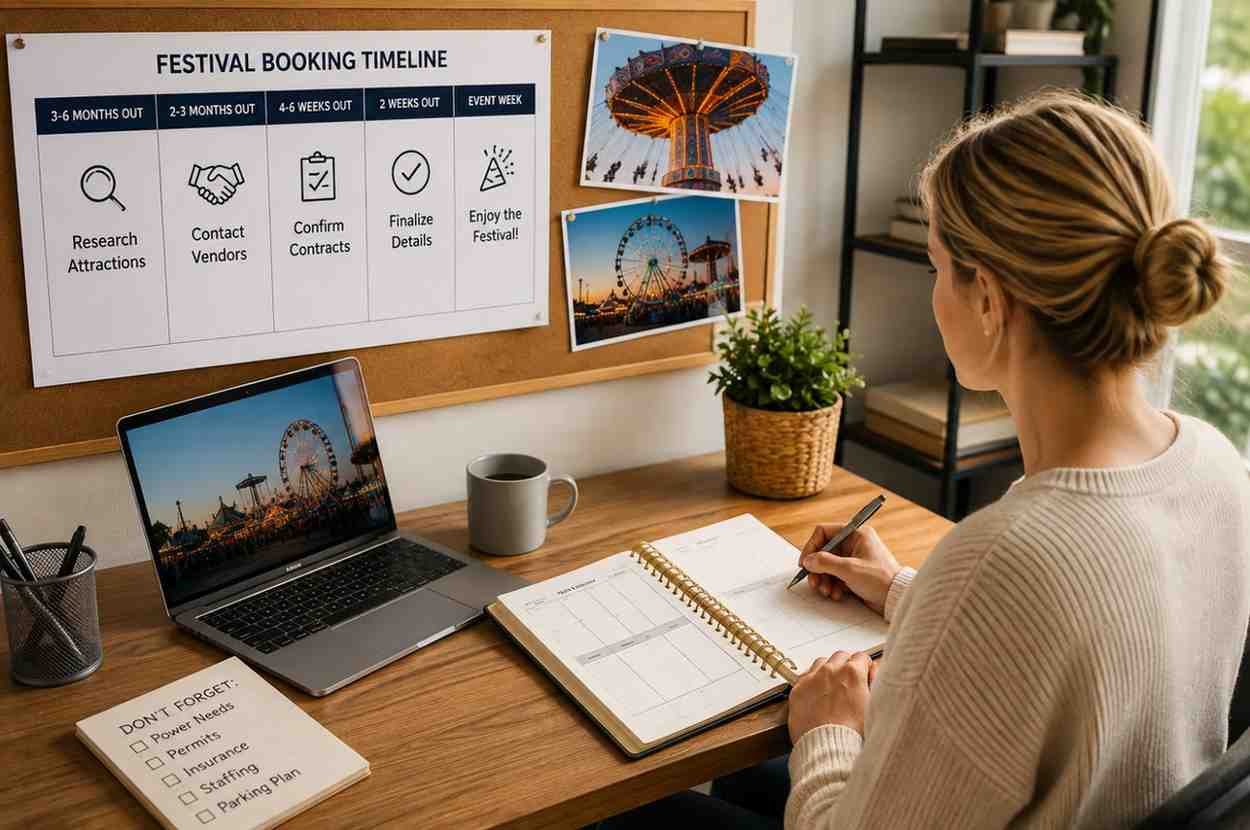
    Before booking entertainment, consider:

    • The age range of expected guests.
    • Available event space and layout.
    • Accessibility for families and seniors.
    • Budget for attractions and staffing.
    • Opportunities for community participation.

    A balanced lineup often performs better than filling every available space with high-energy rides. Mixing relaxing attractions, interactive games, family rides, and live entertainment creates natural movement throughout the festival while preventing overcrowding in one area.

    The most successful community events aren’t built around individual attractions. They’re built around shared experiences that encourage people to spend more time together.

    FAQs: Best Carnival Attractions for Community Events That Bring Every Generation Together

    1. What are the best carnival attractions for community events?

    Popular choices include Ferris wheels, carousels, giant slides, trackless trains, midway games, dunk tanks, and live entertainment because they appeal to a wide range of ages.

    2. How do I choose attractions for a community festival?

    Start by considering your audience, available space, budget, accessibility needs, and the type of experience you want families to have throughout the event.

    3. Why are interactive games important at carnival events?

    Games encourage participation, conversation, and friendly competition while allowing guests of different ages to enjoy activities together without requiring special skills.

    4. Should community events include both classic and modern attractions?

    Yes. Combining traditional carnival favorites with newer interactive experiences keeps longtime attendees engaged while attracting younger audiences looking for memorable experiences.

    Why Shared Experiences Leave the Biggest Impression

    The attractions people remember most aren’t always the fastest rides or the biggest inflatables. They’re the moments when families laugh together on a Giant Slide, cheer for a successful High Striker attempt, or gather around a stage to enjoy local performers. Those shared experiences strengthen community connections and give visitors a reason to return year after year.

    When every generation can participate, the event becomes more than a carnival. It becomes a tradition.

  • The Rise of Social Media-Friendly Attractions at Modern Events

    The Rise of Social Media-Friendly Attractions at Modern Events

    I started noticing a change at events a few years ago. People still enjoyed live entertainment, but they weren’t just watching anymore. They were searching for the perfect angle, recording short videos, and gathering around installations that looked like they belonged on social media. The attractions drawing the biggest crowds weren’t always the loudest or the most expensive. They were the ones people genuinely wanted to share.

    I also realized that the best events didn’t feel like photo shoots. They encouraged people to participate, laugh, and interact first. The photos and videos happened naturally because guests were having a memorable experience, not because someone told them to post online.

    Why Social Media Changed Event Expectations

    Why Social Media Changed Event Expectations

    Modern events are no longer judged only by attendance or entertainment. Guests now expect experiences they can actively participate in, capture, and share with friends. A creative attraction has the potential to extend an event’s reach long after the last guest leaves.

    Every shared photo, video, or story becomes a personal recommendation. Instead of relying entirely on advertising, organizers benefit from user-generated content that reaches hundreds or even thousands of people through attendees’ own networks.

    This shift has also created a stronger sense of anticipation. Seeing friends enjoy an event online often sparks curiosity and encourages others to attend the next one. That fear of missing out has become one of the biggest drivers behind ticket sales and repeat attendance.

    What Makes an Attraction Worth Sharing?

    Not every colorful display becomes popular online. People share experiences that feel unique, interactive, and personal.

    Interaction Creates Better Memories

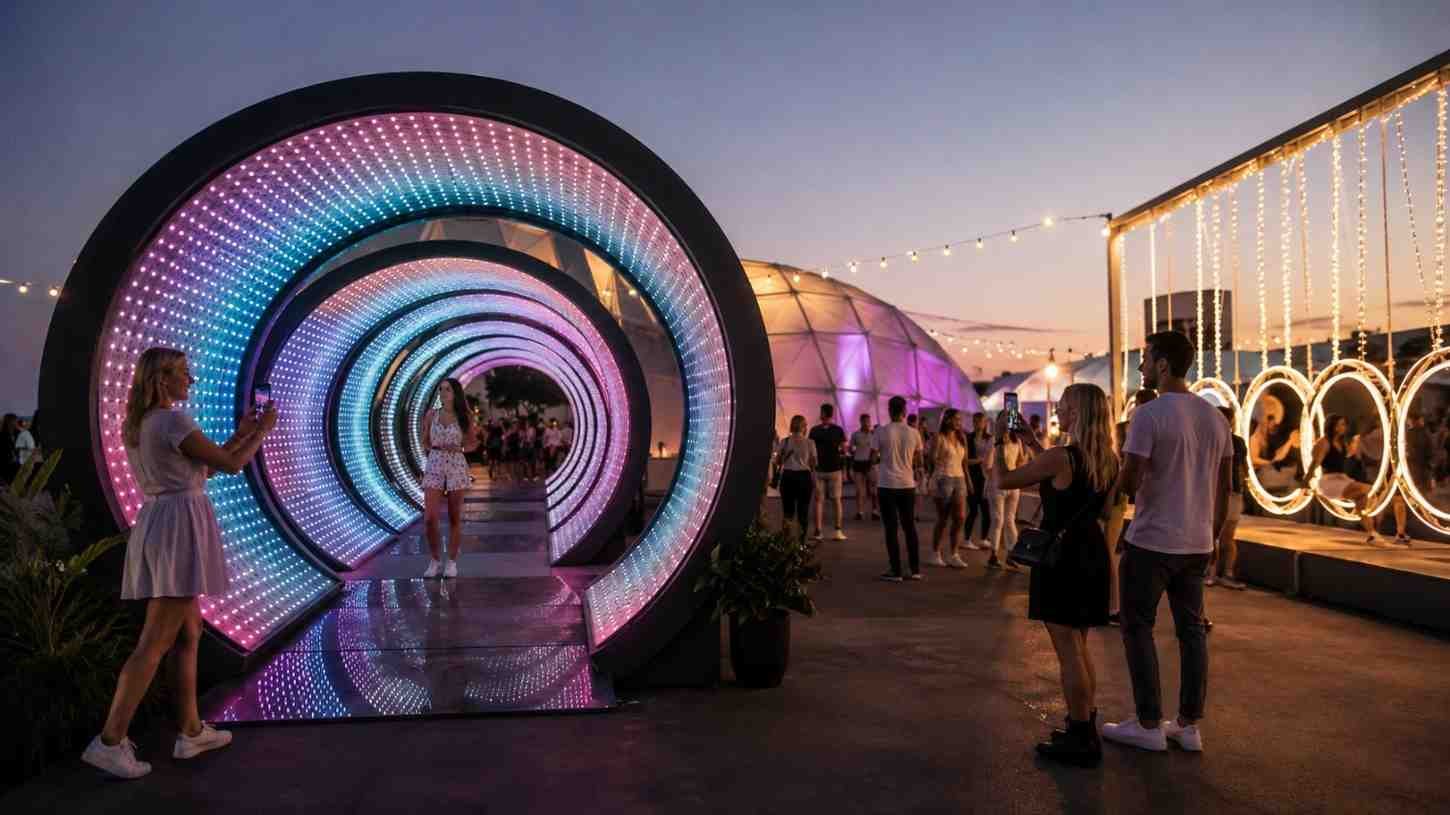
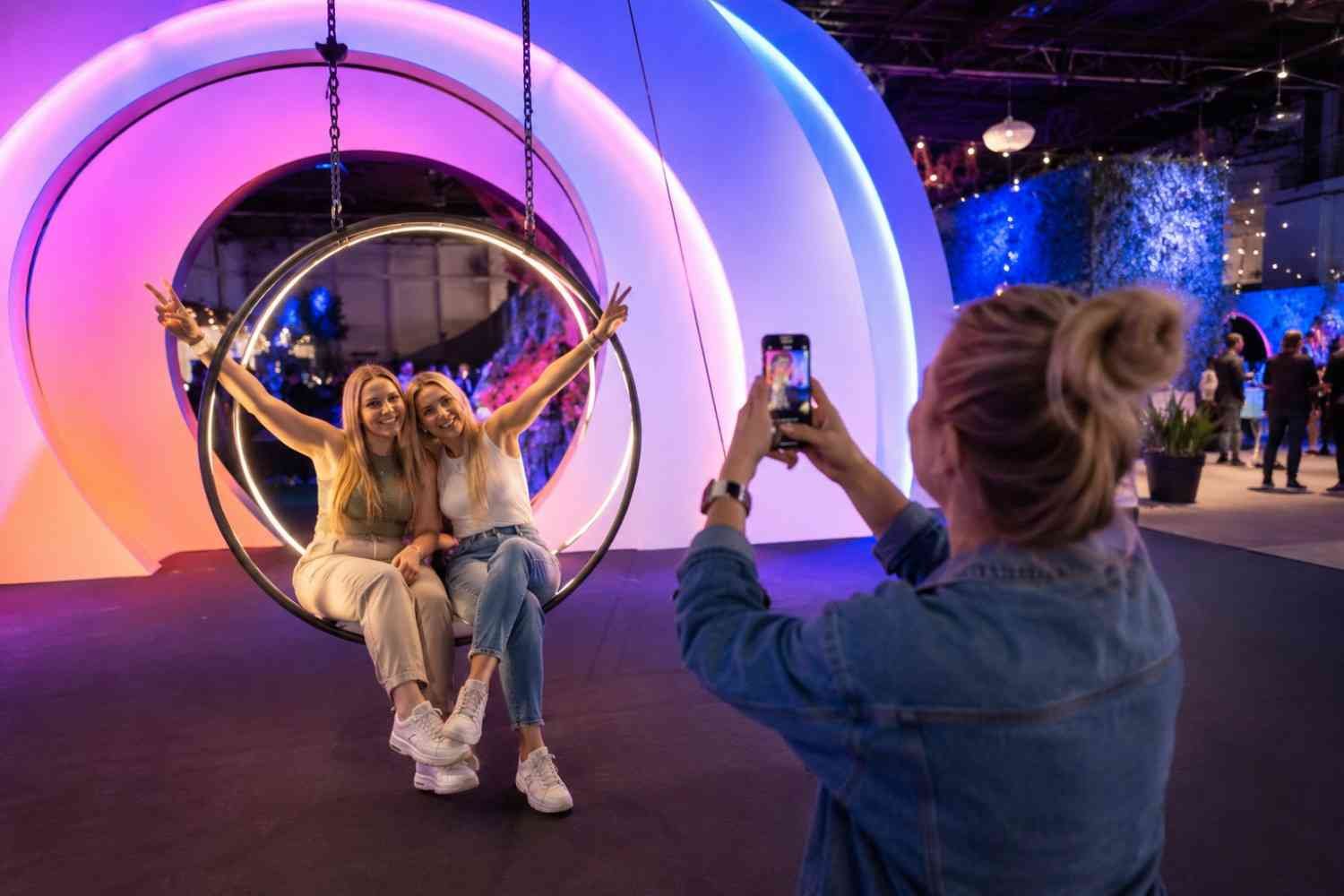
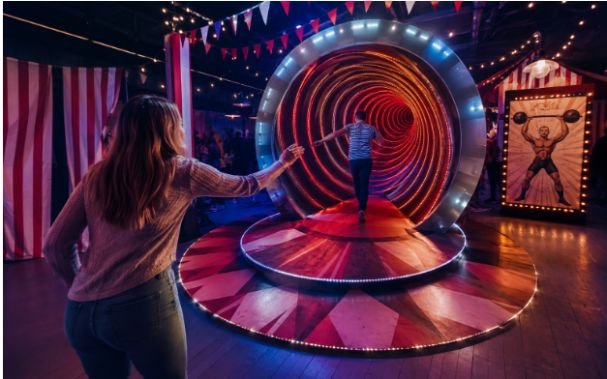
    Guests enjoy attractions that invite them to become part of the experience instead of simply observing it. A mechanical bull, mirror maze, LED tunnel, interactive game, or projection wall encourages movement, laughter, and genuine reactions. Those authentic moments often create better content than a staged backdrop.

    The most successful attractions combine entertainment with participation. When people feel involved, they naturally reach for their phones because they want to remember the moment, not because they’re being encouraged to post.

    Personalization Matters

    Personalization Matters

    Custom experiences make people feel connected to an event.

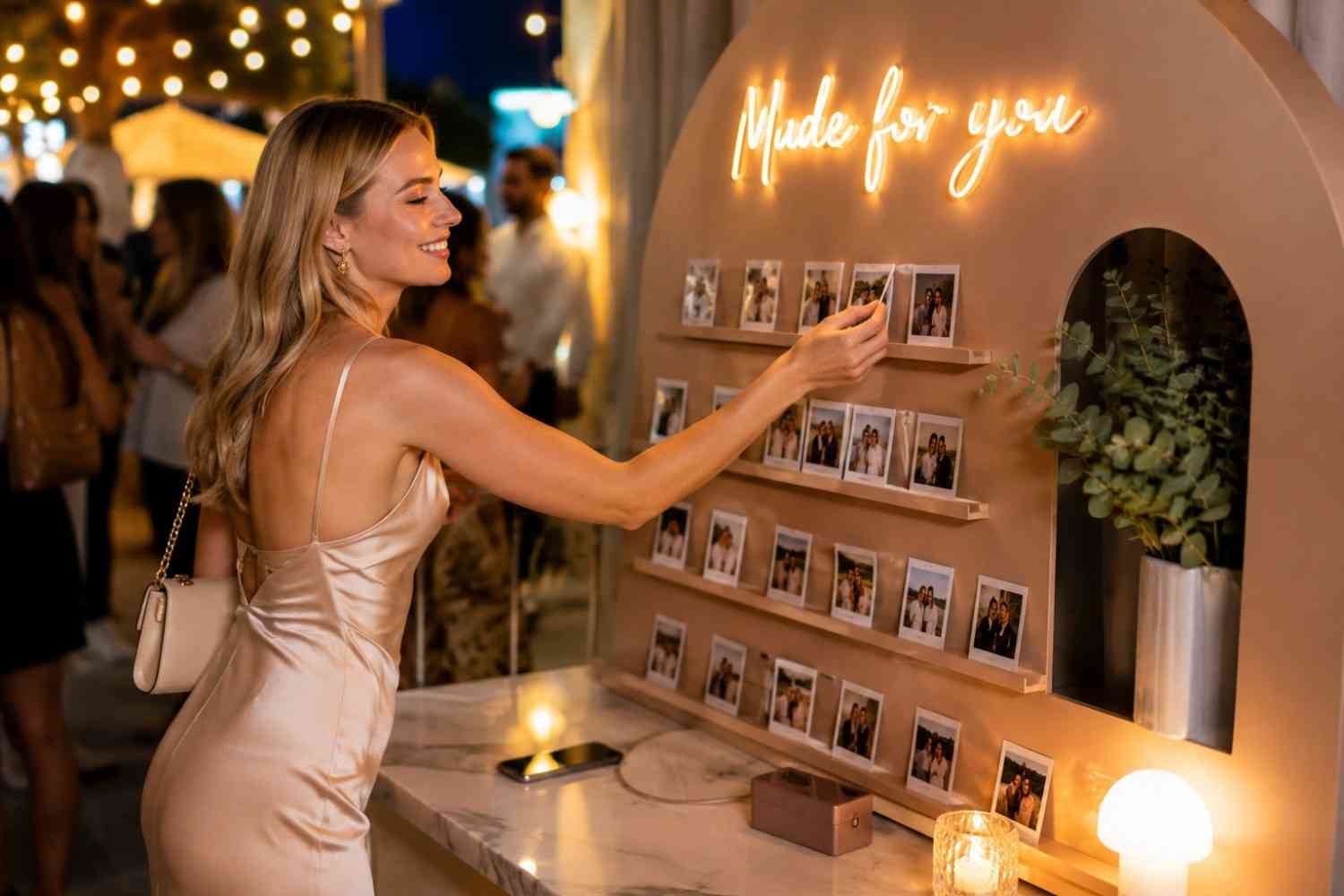
    Whether it’s a digital display showing a guest’s name, a personalized souvenir, or a branded backdrop designed around a specific celebration, small personal touches create stronger emotional connections.

    Instead of designing attractions only for photos, successful organizers focus on creating moments that guests genuinely enjoy. The social sharing becomes a natural outcome rather than the primary objective.

    Attractions That Keep Guests Coming Back

    Today’s event planners have countless opportunities to create memorable experiences.

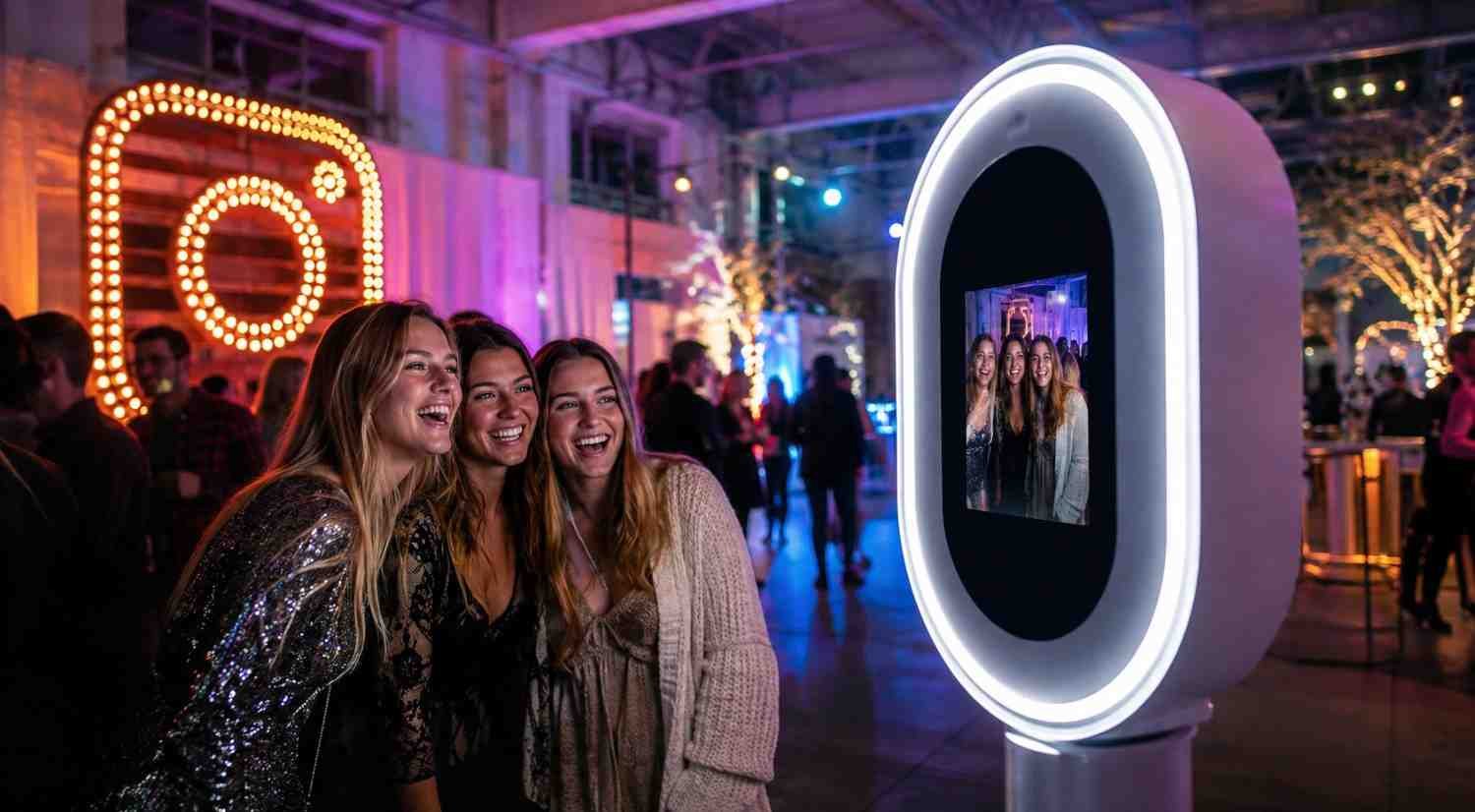
    Immersive photo booths continue to evolve far beyond traditional backdrops. Guests now enjoy 360-degree video booths, overhead camera systems, slow-motion recording stations, and neon infinity rooms that create dramatic visual effects without requiring professional photography.

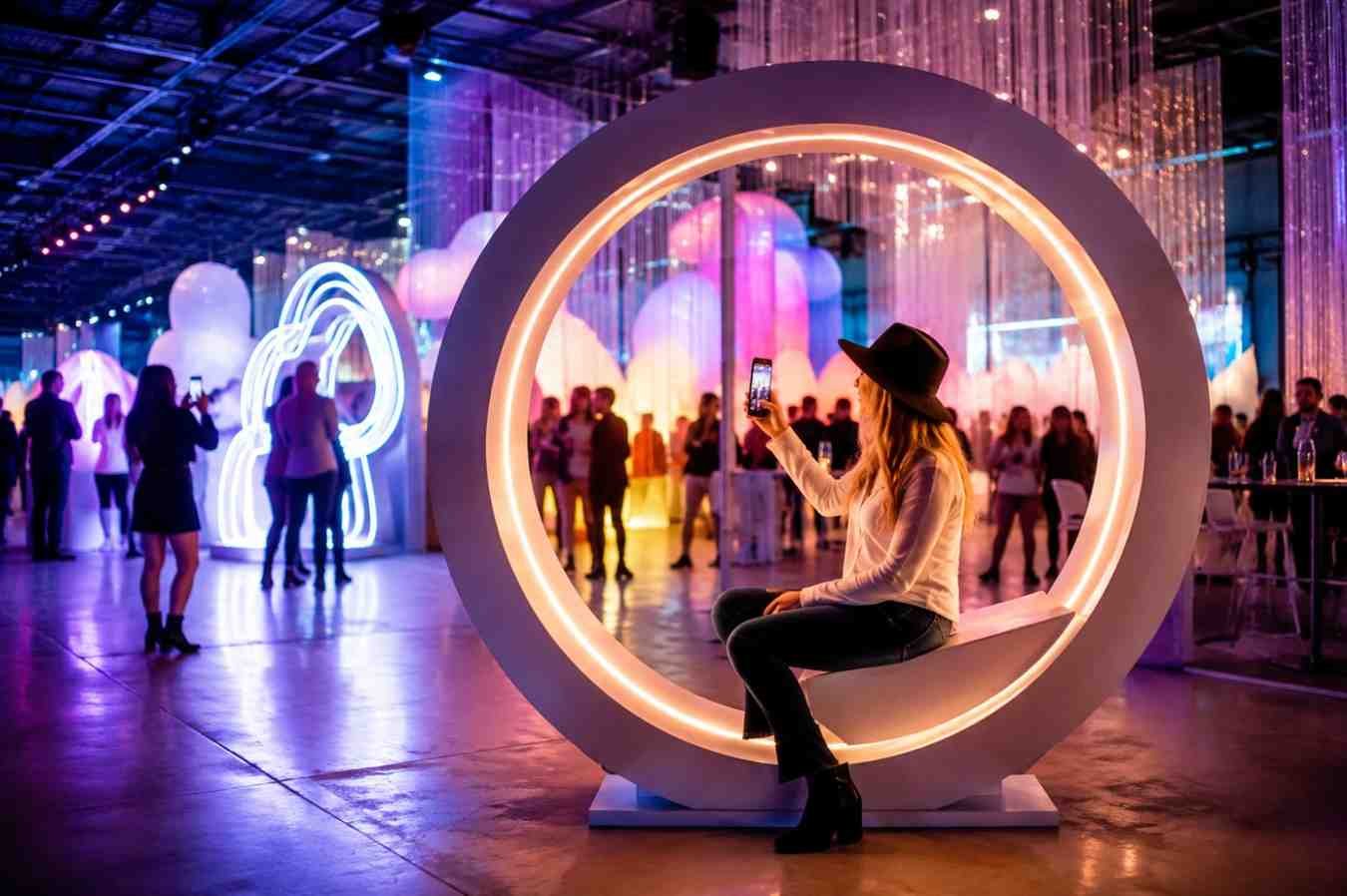
    Interactive art installations have also become popular. Projection mapping, responsive lighting, digital murals, and sculptures that react to movement encourage visitors to engage instead of simply walking past.

    Food has become part of the attraction as well. Color-changing beverages, liquid nitrogen desserts, oversized carnival treats, and creative presentation styles often generate as much attention as the entertainment itself.

    Statement walls remain another favorite. Bold typography, floral displays, custom neon signs, and seasonal installations provide attractive backgrounds while reinforcing the event’s identity.

    Many organizers are also investing in immersive carnival experiences because they combine entertainment, storytelling, technology, and guest participation in ways that naturally encourage photos, videos, and conversations.

    Designing Attractions That Encourage Organic Sharing

    Designing Attractions That Encourage Organic Sharing

    Creating a shareable attraction requires thoughtful planning rather than simply adding decorative elements.

    Lighting plays one of the biggest roles. Soft lighting, colorful LED features, and carefully positioned fixtures help smartphone cameras capture cleaner images while minimizing harsh shadows.

    Placement is equally important. Popular attractions should have enough surrounding space to prevent long lines from disrupting traffic flow. Dedicated viewing areas also allow guests to enjoy the experience without feeling rushed.

    Event hashtags work best when they’re integrated naturally into signs, installations, or decorative elements instead of appearing like advertisements. Guests are much more likely to use them when they become part of the attraction itself.

    Accessibility also matters. Attractions that are easy to find, simple to participate in, and welcoming for different age groups usually generate higher engagement throughout the event.

    Common Mistakes That Reduce Engagement

    Many organizers focus so heavily on creating something visually impressive that they forget about the guest experience.

    Overcrowded installations quickly lose their appeal. Long wait times often discourage participation, especially when visitors have limited time to explore the event.

    Another mistake is relying on trends without considering the audience. An attraction that performs well at a music festival may not create the same excitement at a corporate gathering or community celebration.

    Technology can also become a distraction when it feels complicated. Guests appreciate experiences that are intuitive, enjoyable, and require very little explanation.

    Finally, chasing viral content should never replace authentic entertainment. The attractions people remember most are usually the ones that made them laugh, compete, or share meaningful moments with family and friends.

    Looking Beyond Likes and Shares

    Looking Beyond Likes and Shares

    Social media metrics are valuable, but they shouldn’t become the only measure of success.

    A memorable attraction strengthens conversations between guests, encourages repeat attendance, and builds a positive reputation that extends beyond online engagement.

    The most successful events understand that people don’t simply want another photo for their profile. They want experiences worth remembering. When attractions create genuine excitement, the social media content follows naturally.

    Designing events around participation instead of promotion creates stronger emotional connections while helping organizers build lasting relationships with their audience.

    FAQs: The Rise of Social Media-Friendly Attractions at Modern Events

    1. What are social media-friendly attractions?

    They are interactive experiences designed to encourage guests to naturally take photos, record videos, and share memorable moments during an event.

    2. Why are these attractions becoming more popular?

    People increasingly value experiences they can participate in rather than simply watch, making interactive attractions more engaging and shareable.

    3. Do social media-friendly attractions benefit event organizers?

    Yes. They increase audience engagement, encourage user-generated content, improve event visibility, and often contribute to stronger word-of-mouth marketing.

    4. Which attractions usually generate the most online engagement?

    Interactive photo booths, digital art installations, immersive environments, creative food displays, and hands-on carnival attractions consistently encourage guests to create and share content.

    Why Great Attractions Leave an Impression Before They Go Viral

    The best attractions don’t succeed because they’re designed for social media. They succeed because they create genuine reactions that people naturally want to capture and share. As guest expectations continue to evolve, successful event organizers will focus less on building photo opportunities and more on creating memorable experiences that encourage participation, conversation, and authentic engagement.

    When people leave talking about an experience instead of simply posting about it, that’s when an attraction has truly achieved its purpose.