The bass is shaking the ground, the crowd is roaring, and your favorite artist is finally walking onstage. Then a headache hits, your legs feel heavy, and the excitement suddenly turns into a search for the nearest water station. I learned the hard way that how to stay hydrated at a music festival is not a minor detail—it can decide whether you enjoy the full day or leave before the headliner.
Festival hydration takes more than carrying one bottle of water. Hours of dancing, summer heat, crowded stages, alcohol, and long walks between performances can quickly drain fluids and electrolytes. With a little planning, the right gear, and a steady drinking routine, you can protect your energy and stay focused on the music instead of fighting dehydration.
Why Do Music Festivals Increase Your Risk of Dehydration?
Outdoor festivals create the perfect environment for fluid loss. Long periods in direct sunlight, constant movement between stages, crowded spaces, and hours of dancing all cause your body to sweat more than usual. Sweat removes both water and important electrolytes like sodium and potassium that help regulate muscle and nerve function.
Alcohol can make matters worse by increasing fluid loss while making it harder to recognize early symptoms of dehydration. Even if you’re attending an indoor festival, warm crowds and constant movement can still leave you dehydrated if you don’t replace fluids regularly.
The goal isn’t simply to drink more water—it’s to replace fluids strategically throughout the day.
How Should You Prepare Before Arriving at the Festival?
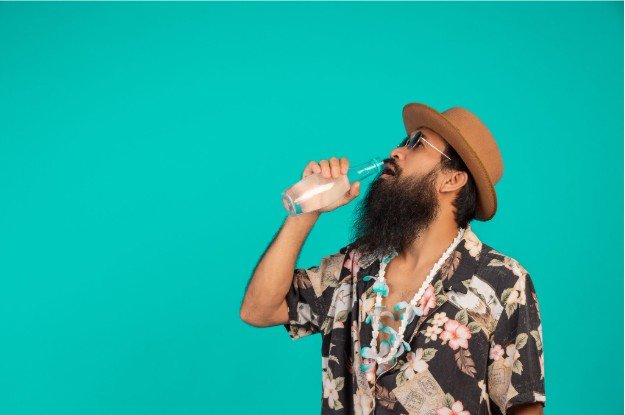
Hydration begins long before the gates open. I always make sure I’m drinking water consistently the day before the event instead of trying to drink several bottles right before leaving. Eating water-rich foods like watermelon, oranges, cucumbers, berries, yogurt, and oatmeal also contributes to healthy hydration.
Before leaving home, I check the festival website for bag policies. Many US festivals allow hydration backpacks or reusable bottles only if they’re empty upon entry, while others have restrictions on bladder size, the number of pockets, or bottle materials. Knowing the rules beforehand saves unnecessary frustration at security.
If I’m attending an all-day or multi-day festival, I also pack electrolyte packets that can easily mix into refillable water bottles whenever needed.
What Should You Bring to Stay Hydrated All Day?
The right gear makes staying hydrated much easier. I prefer carrying a hydration backpack because it allows me to drink hands-free while walking between stages. Brands like CamelBak have become popular among festival attendees because they hold enough water without requiring constant trips to refill stations.
If hydration packs aren’t allowed, a reusable bottle works just as well. I also keep electrolyte packets in my bag so I can replace minerals lost through heavy sweating during especially hot afternoons.
Instead of wandering around once I become thirsty, I locate every free water refill station immediately after entering the venue. Having a mental map of refill locations saves valuable time later in the day when lines become longer.
How Much Water Should You Drink During a Music Festival?
There isn’t a single amount that works for everyone. Your hydration needs depend on temperature, humidity, body size, clothing, physical activity, and how much you sweat.
Rather than waiting until I feel thirsty, I sip water consistently throughout the day. One trick that works surprisingly well is drinking during natural breaks between performances. Every time one band finishes and another prepares to perform, I take several drinks before moving to the next stage.
Small, regular sips are generally more effective than drinking an entire bottle at once. This steady approach helps your body absorb fluids while reducing the chance of forgetting to hydrate during your favorite performances.
Do You Really Need Electrolytes at a Festival?
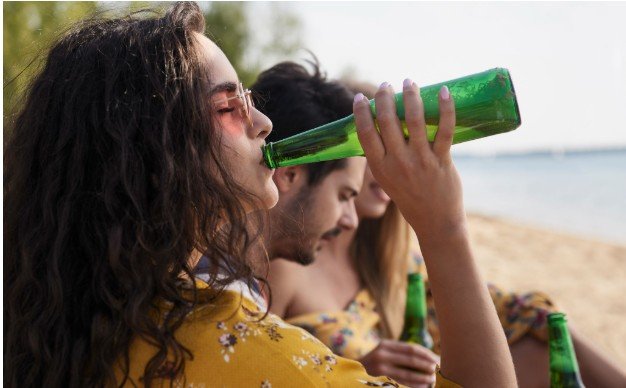
Water replaces fluid loss, but prolonged sweating also removes important electrolytes. During shorter events with mild temperatures, plain water is often enough. However, if you’re dancing for several hours in extreme summer heat, electrolyte drinks or hydration packets can help replace sodium and other minerals lost through sweat.
These simple hydration habits are also important when learning How to Avoid Heat Exhaustion at a Summer Wedding, especially during long outdoor celebrations in hot weather.
That doesn’t mean every bottle needs to contain electrolytes. I usually alternate plain water with an electrolyte drink during especially hot afternoons or after extended periods of physical activity.
Eating salty snacks like pretzels, trail mix, or lightly salted nuts can also help replace sodium. Fresh fruit such as watermelon, grapes, oranges, and cucumber provides additional fluids while offering a refreshing break from heavier festival food.
How Can You Stay Hydrated While Drinking Alcohol?
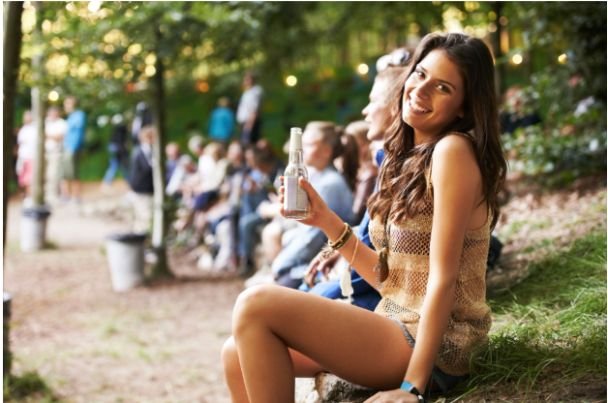
Many people enjoy alcoholic beverages at music festivals, but alcohol should never replace water. It increases fluid loss and may make it harder to notice early signs of dehydration or overheating.
I follow one simple habit throughout the day: for every alcoholic beverage I order, I finish at least one full bottle or glass of water before buying another drink. That routine helps me stay energized while reducing the effects of dehydration.
Eating balanced meals before drinking alcohol also supports better hydration and helps maintain energy throughout the festival.
What Are the First Signs of Dehydration You Should Never Ignore?
The earlier you recognize dehydration, the easier it is to recover.
Common warning signs include increasing thirst, dry mouth, headache, dizziness, fatigue, muscle cramps, reduced urination, and dark-colored urine. If these symptoms appear, I immediately stop dancing, move into the shade, drink water slowly, and cool my body before returning to the crowd.
More serious symptoms such as confusion, fainting, vomiting, unusually hot skin, seizures, or loss of consciousness require immediate medical attention. Every major US festival has medical stations specifically prepared for heat-related illnesses, so never hesitate to ask for help.
How Can You Recover After a Long Festival Day?

Hydration doesn’t stop after the final encore. Once I return to my hotel or campsite, I continue drinking water gradually while eating a balanced meal containing carbohydrates, protein, and some sodium.
If I’m attending a multi-day festival, I wake up the following morning, eat breakfast, refill my hydration pack, and begin drinking fluids before leaving for another full day of performances. Starting each day already hydrated makes a noticeable difference in my energy levels.
Frequently Asked Questions (FAQs)
1. Can I bring a hydration backpack into a music festival?
Most US festivals allow hydration backpacks, but many require them to be completely empty during security screening. Always check the official festival website before attending.
2. Is water enough to stay hydrated during a festival?
For shorter events, yes. During long, hot festivals with heavy physical activity, electrolyte drinks or packets may help replace minerals lost through sweat.
3. Should I drink water even if I don’t feel thirsty?
Yes. Waiting until you become thirsty often means dehydration has already started. Drinking consistently throughout the day is a better strategy.
4. What foods help keep you hydrated at a festival?
Watermelon, oranges, grapes, cucumbers, yogurt, pretzels, and lightly salted nuts all support hydration while providing energy.
5. What is the safest way to learn how to stay hydrated at a music festival?
The safest approach is to arrive hydrated, carry an approved refillable bottle or hydration pack, locate refill stations immediately, drink consistently throughout the day, replace electrolytes during prolonged sweating, and seek medical help if serious heat-related symptoms develop.
Wrapping Up
After attending multiple festivals, I’ve learned that hydration is one of the easiest ways to improve the entire experience. Instead of reacting once dehydration begins, I prepare beforehand, carry the right equipment, locate refill stations early, drink between stage changes, balance water with electrolytes during long hot days, and pay attention to my body’s signals.
By following these simple habits, how to stay hydrated at a music festival becomes less about constantly thinking about water and more about enjoying the music from the opening act to the final encore.