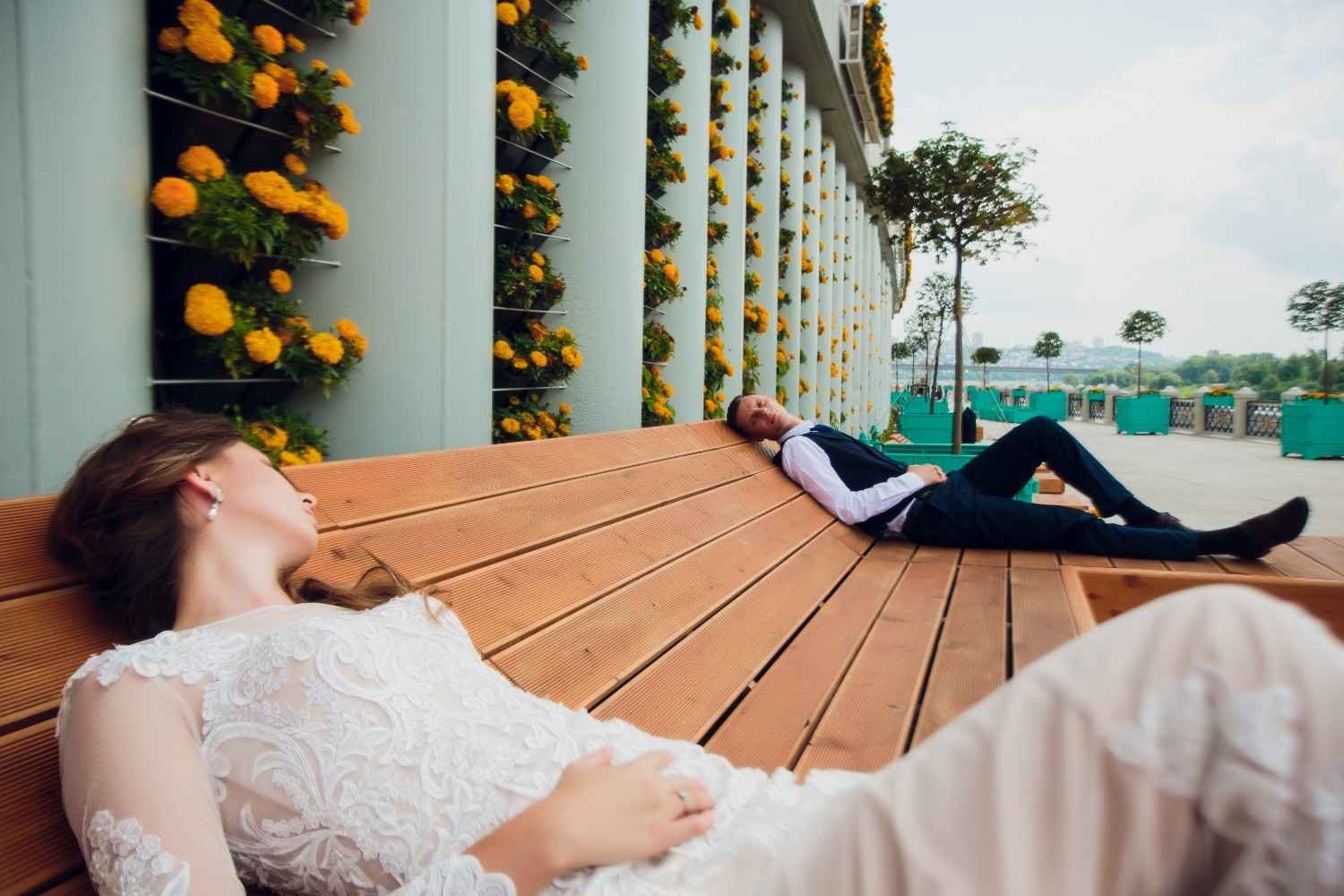
A summer wedding should leave you remembering the vows, the music, and the late-evening dancing—not the moment the heat made you dizzy beside the ceremony aisle. Outdoor venues can look stunning in photos, but intense sunlight, high humidity, formal clothing, alcohol, and long stretches without shade can quietly push the body toward overheating.
Knowing how to avoid heat exhaustion at a summer wedding allows you to enjoy every part of the celebration while protecting yourself, your guests, and the wedding party from a preventable medical emergency.
I approach hot-weather weddings with the same care I would give any outdoor event: I check the heat index, hydrate before arriving, dress for airflow, and identify the nearest shaded or air-conditioned area. Whether you are exchanging vows, taking photographs, serving guests, or attending as a friend, a few thoughtful choices can keep the day elegant, comfortable, and safe.
What Makes an Outdoor Summer Wedding Dangerous?
Temperature alone does not reveal the complete risk. Humidity can make the air feel significantly hotter because sweat evaporates less effectively, adding another concern when managing wedding-planning stress in hot weather.
The National Weather Service uses the heat index to describe how hot conditions feel when temperature and humidity are combined. Direct sunlight may increase the apparent heat even further.
Outdoor ceremonies often require guests to sit in direct sun while wearing suits, layered dresses, shapewear, or heavy fabrics. The wedding party may also spend hours posing for photographs, while photographers, musicians, caterers, and coordinators work continuously without enough cooling breaks.
Older adults, young children, pregnant guests, and people with certain medical conditions may face greater heat-related risks. Couples should provide easy access to air conditioning, water, shade, and transportation rather than expecting every guest to tolerate the same conditions.
When Should You Schedule a Summer Wedding Ceremony?
For many US locations, scheduling the outdoor ceremony after 4:00 p.m. or closer to sunset can reduce direct exposure during the hottest part of the day. However, couples should check the hourly forecast because peak heat can continue into the evening, particularly in states such as Arizona, Texas, Nevada, and Florida.
Review the temperature, humidity, heat index, and National Weather Service alerts several days before the event and again on the wedding morning. An Extreme Heat Warning signals dangerously hot conditions and may justify moving the ceremony indoors.
Build air-conditioned breaks into the timeline before the ceremony, between photography sessions, and before the reception. The wedding party and vendors should never feel pressured to remain outside merely to keep the schedule moving.
How Can Hosts Create a Cooler Wedding Venue?
Open-sided tents can provide shade while allowing cross-breezes, but enclosed tents may trap heat unless they have suitable ventilation or portable air conditioning. Commercial misting stations, outdoor evaporative coolers, and high-capacity fans can make waiting and reception areas more comfortable.
Place fabric cushions on metal or dark wooden chairs that may become hot in direct sunlight. Provide shaded seating near the ceremony, cocktail area, food service, and transportation pickup point. Couples should also maintain an accessible indoor cooling room for anyone who starts feeling unwell.
How Should Guests Hydrate Before and During the Wedding?
Maintain steady hydration before the event rather than consuming large amounts of water immediately before leaving home. Bring a refillable bottle when permitted and drink regularly throughout the ceremony and reception. OSHA emphasizes water, rest, and shade as essential protections against heat-related illness.
Hosts should set up clearly visible water stations at the venue entrance so guests can drink before taking their seats. Offer chilled water, fruit-infused water, and electrolyte beverages in multiple locations rather than requiring guests to visit the bar.
Electrolyte drinks may be useful after prolonged heavy sweating, but ordinary water is generally appropriate for shorter periods of light activity. Guests with kidney disease, heart disease, diabetes, fluid restrictions, or medication concerns should follow personalized medical advice.
Does Alcohol Increase Heat-Exhaustion Risk?

Alcohol may contribute to dehydration, impair judgment, and make it harder to recognize early symptoms. Avoid starting the celebration with several alcoholic drinks while sitting in direct sun. Alternate alcoholic beverages with water, eat regular meals, and slow down when temperatures remain high.
Chilled appetizers, cucumber bites, fruit skewers, watermelon, frozen fruit pops, and light salads can make the menu feel refreshing. These foods complement hydration but do not replace drinking water.
What Should You Wear to a Hot Summer Wedding?
Choose lightweight, breathable, loose-fitting attire whenever the dress code allows it. Linen, cotton, chiffon, organza, seersucker, and breathable blends may feel cooler than polyester, nylon, heavy wool, or tightly layered formalwear.
Light colors generally absorb less solar heat than dark shades. Men may feel more comfortable in unlined jackets and moisture-wicking undershirts, while other guests can choose flowing dresses, breathable undergarments, and comfortable shoes.
An updo, braid, or shorter hairstyle can keep hair away from the neck and improve airflow. Sweat-resistant sunscreen, polarized sunglasses, and a small parasol provide additional protection during outdoor ceremonies. Powder-based or airbrushed makeup may hold up better than heavy cream products, although cosmetics cannot prevent heat illness.
What Should Guests Pack for a Hot Outdoor Wedding?
A compact wedding cooling kit can include a reusable water bottle, battery-powered fan, paper fan, cooling towel, sunscreen, sunglasses, blotting sheets, deodorant, face mist, electrolyte packet, and spare undershirt.
Instant cold packs may provide temporary relief, but wrap them in fabric before applying them to the skin. Cooling only the wrists or neck is not a substitute for moving into shade or air conditioning when symptoms appear.
What Are the Warning Signs of Heat Exhaustion?
Watch for heavy sweating, headache, dizziness, nausea, unusual weakness, muscle cramps, thirst, irritability, pale or clammy skin, faintness, or difficulty walking. Never assume these symptoms result only from nerves, hunger, uncomfortable shoes, or champagne.
Move the affected person to a cooler area immediately. Loosen or remove unnecessary outer clothing, use fans and wet cloths to cool the skin, and offer small sips of water when the person is alert and can swallow safely. The American Red Cross recommends moving someone with heat exhaustion into a cooler environment with circulating air and beginning active cooling.
Call 911 if the person becomes confused, has a seizure, loses consciousness, cannot drink, repeatedly vomits, or continues getting worse. Heat stroke is life-threatening and requires immediate emergency treatment and rapid cooling.
Frequently Asked Questions (FAQs)
1. What is the best way to avoid heat exhaustion at a summer wedding?
The best approach combines steady hydration, breathable clothing, reduced alcohol intake, shaded seating, cooling breaks, weather monitoring, and early recognition of heat-illness symptoms.
2. Is 90°F too hot for an outdoor wedding?
A temperature of 90°F may become dangerous when humidity, direct sunlight, limited airflow, formal clothing, and a long ceremony are involved. Review the heat index and local weather alerts rather than relying only on air temperature.
3. Should a wedding provide electrolyte drinks?
Electrolyte beverages can help guests or vendors who have been sweating heavily for an extended period. However, the venue should continue providing plenty of cool drinking water.
4. What should I do if I feel dizzy during the ceremony?
Leave the sun immediately, sit or lie down in an air-conditioned or shaded area, loosen unnecessary clothing, cool your skin, and ask someone to stay with you. Seek medical assistance if symptoms worsen or fail to improve.
Celebrate Without Letting the Heat Take Over
I believe an outdoor wedding can still feel joyful and elegant during the summer, but safety must influence every decision. I would check the heat index, hydrate consistently, choose breathable clothing, limit alcohol, and take cooling breaks before symptoms begin.
Couples can protect everyone by adjusting the timeline, providing structural shade, renting appropriate cooling equipment, placing water throughout the venue, and creating an emergency plan. With thoughtful preparation, guests can remember the vows, music, and celebration—not the oppressive heat.
Leave a Reply