How long should a mechanical bull ride last at a party or public event? In my experience, most successful rides last between 30 seconds and one minute. That window gives riders a real challenge without exhausting them or creating an unnecessarily long line.
A skilled rider may continue for up to two minutes. However, longer does not automatically mean better. The right duration depends on the rider, the machine settings, the operator and the type of event.
The Best Mechanical Bull Ride Duration
For most casual events, I recommend setting a target of 30 to 60 seconds per rider. Beginners can start below that range, while confident adults may ride longer when the operator considers it appropriate.
The ride should feel exciting but controlled. It should not become an endurance test unless the event is running a structured competition.
First-Time Riders
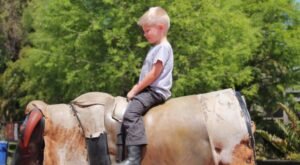
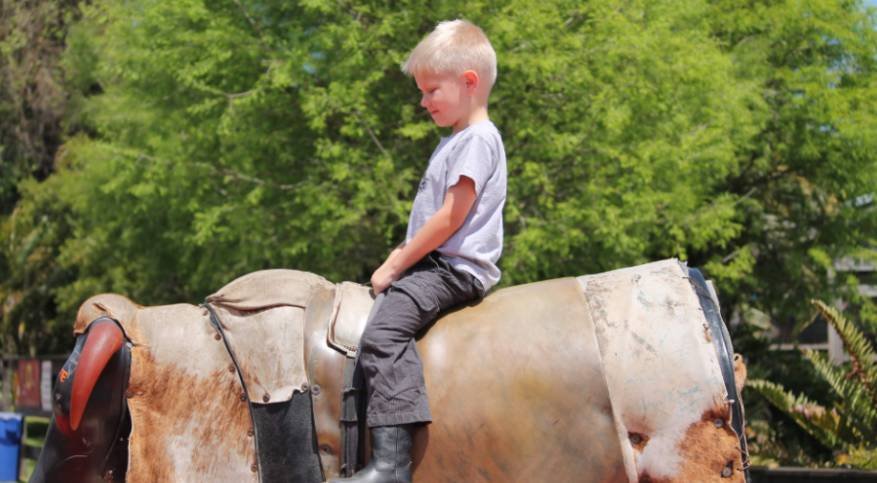
A first-time rider usually needs a gentle 20-to-45-second experience. The operator can begin with slow turns and mild rocking before adding controlled bucking movements.
I prefer giving beginners a short first attempt rather than pushing them through a long ride. A second attempt often feels more enjoyable because they understand the bull’s movement and know how to position their body.
Confident and Experienced Riders
A confident rider may stay on for 60 to 90 seconds. An experienced rider can sometimes continue for up to two minutes if the machine, event rules and operator allow it.
The operator should still watch for fatigue. Even an experienced rider may lose posture, grip strength or body control after repeated spins and direction changes.
My 30-60-90 Ride Model
I use a simple planning model when estimating how long should a mechanical bull ride last:
- 30 seconds for children, nervous beginners or busy events
- 60 seconds for most adult party guests
- 90 seconds for confident riders or timed challenges
This model is not a manufacturer-mandated standard. It is a practical event-planning framework based on rider flow, fatigue and entertainment value.
Consider an event with 40 guests who want to ride. At 60 seconds each, the riding itself requires 40 minutes. Allowing roughly 30 seconds for mounting, dismounting and resetting raises the total to about one hour. Extending every ride to two minutes could double the queue.
That simple calculation shows why ride duration affects more than the person on the bull.
What Determines Mechanical Bull Ride Time?
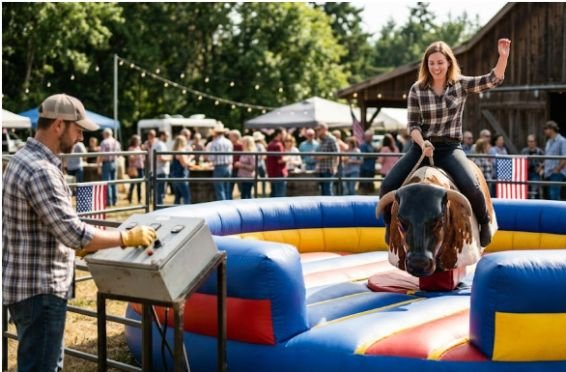
There is no universal ride time that suits every participant. Operators must adjust the experience in real time.
ASTM F770 provides industry guidance for amusement-ride operation, maintenance, inspection and operator training. It does not establish one standard mechanical bull ride duration. Operators must instead follow the ride manufacturer’s instructions and applicable local regulations.
Rider Experience and Comfort
Beginners need time to understand how the machine moves. Starting at full intensity may end the ride within seconds and leave the participant unwilling to try again.
A trained operator can begin slowly, observe the rider’s balance and increase the challenge gradually. Professional rental operators commonly adjust speed and movement according to a rider’s size, age and experience.
Before allowing anyone to ride, operators should also enforce the provider’s Mechanical bull age and weight requirements. Ride duration cannot compensate for a participant who falls outside the equipment’s approved limits.
Speed and Bucking Intensity
Twenty seconds at a high difficulty can demand more effort than one minute at a gentle setting. Ride duration and ride intensity should therefore be planned together.
Slow turns help beginners settle into position. Faster spins, sudden direction changes and stronger bucking movements increase the physical challenge. Operators should raise one variable at a time instead of making every movement harder at once.
Fatigue and Loss of Control
Fatigue can affect grip, posture and reaction time. I end a ride when a participant stops making controlled adjustments and begins hanging from the bull with little body control.
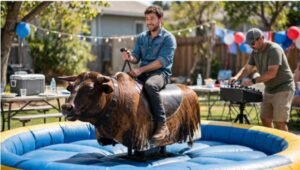
Mechanical bull riding should create a fun fall onto the inflatable landing area. It should not continue until a rider becomes too tired to respond safely.
Event Size and Waiting Lines
At a small backyard gathering, allowing a confident rider 60 to 90 seconds may work well. A festival, corporate event or college gathering needs faster turnover.
For a busy event, I would normally use:
- 30-to-45-second rides during peak demand
- Up to 60 seconds when the line becomes shorter
- One additional attempt later rather than one very long turn
This approach gives more guests access to the attraction without making each ride feel rushed.
Recommended Ride Times by Event Type

When someone asks how long should a mechanical bull ride last, I first consider the event format.
A children’s event may use rides of 15 to 30 seconds on the gentlest approved settings. The provider’s minimum age, height and weight rules must always take priority.
At an adult birthday party, 30 to 60 seconds usually works well. Guests receive enough time to find their rhythm, and the line continues moving.
Corporate events often benefit from a 45-to-60-second cap. A clear limit makes participation feel fair and prevents one confident rider from occupying the attraction.
Competitions may use 60-to-90-second rounds. Every competitor should receive the same maximum time and comparable difficulty progression.
Why Longer Is Not Always Better
A mechanical bull ride has a natural entertainment curve. The rider mounts, finds balance, survives several movements and eventually falls. Stretching that sequence too long can reduce excitement.
Long rides also create inconsistent experiences. One rider may receive two minutes while another receives 20 seconds because the event is running behind schedule.
I would rather offer two controlled 40-second attempts than one exhausting two-minute attempt. The rider gets another chance to improve, and the operator can reset the difficulty.
How Operators Should Manage Each Ride
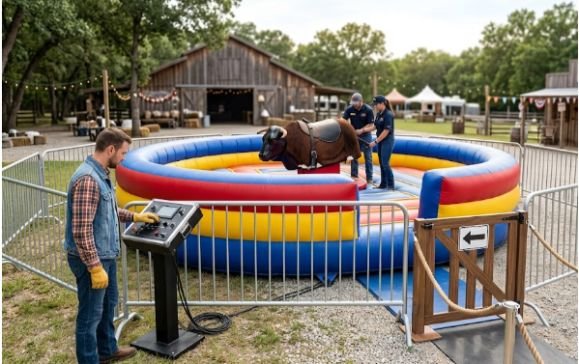
The operator matters more than the stopwatch. ASTM’s amusement-ride guidance emphasizes documented operating procedures, inspections, maintenance and training. IAAPA also notes that ASTM standards address ride design, operation, maintenance and inspection across the amusement industry.
Before starting a ride, the operator should explain how to hold on, how to signal discomfort and where to move after falling. The inflatable area should remain clear of spectators and waiting riders.
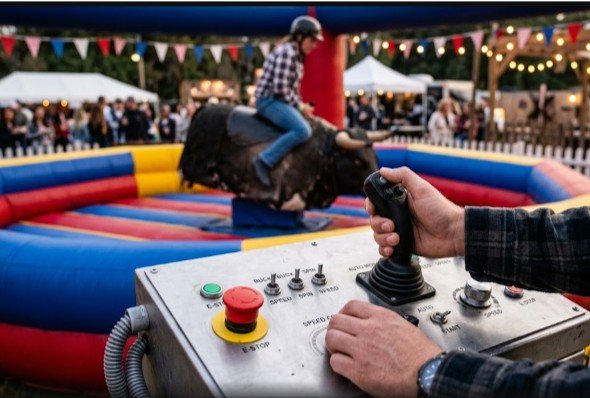
During the ride, the operator should maintain an unobstructed view of the participant. Difficulty should increase gradually. The operator must also remain ready to use the emergency stop.
The CPSC advises commercial inflatable operators to follow manufacturer instructions, supervise equipment and use appropriate anchoring and setup procedures. These precautions remain relevant when an inflatable landing area surrounds a mechanical bull.
Planning Fair Mechanical Bull Competitions
For a competition, decide the rules before the first rider mounts. Use the same time cap, starting intensity and progression method for every competitor.
A fair format might begin with 15 seconds of gentle movement. The operator can then increase the difficulty at fixed intervals until the rider falls or reaches a 90-second limit.
Record the time from the machine’s first movement, not from mounting. Stop the timer when the rider touches the inflatable mat or releases the approved grip.
This structure provides a clearer answer to how long should a mechanical bull ride last during a contest. It also prevents the operator from unintentionally giving one competitor an easier sequence.
When a Ride Should End Immediately
A planned time limit should never prevent an operator from stopping early. The ride should end when the participant asks to stop, appears distressed or loses controlled posture.
The operator should also stop if another person enters the landing area, the inflatable loses pressure, equipment shifts or any unusual sound occurs.
Visible intoxication, unsafe behavior and ignored instructions are also reasons to refuse or end a ride. A participant’s comfort and the manufacturer’s operating rules must outweigh pressure from the crowd.
FAQs
1. How long should a beginner stay on a mechanical bull?
Most beginners should ride for about 20 to 45 seconds, starting with gentle movements that increase only when they remain comfortable.
2. How long should a mechanical bull ride last at a party?
A party ride should usually last 30 to 60 seconds, giving each guest a satisfying attempt while keeping the line moving.
3. Can a mechanical bull ride last two minutes?
Yes, an experienced rider may continue for up to two minutes when the operator, equipment instructions and event rules permit it.
4. How long should a mechanical bull competition round be?
A competition round commonly works well with a 60-to-90-second cap and the same timed difficulty progression for every participant.
Get Off While the Crowd Still Wants More
So, how long should a mechanical bull ride last for the best experience? I recommend 30 to 60 seconds for most riders, shorter turns for beginners and a maximum of around 90 seconds for structured challenges.
Do not chase a longer time simply for bragging rights. Set a clear limit, use a trained operator and adjust the intensity to the individual. The best ride ends with the participant smiling, the crowd cheering and the next rider ready to climb aboard.