The music is ready, the tables are set, and your guests are waiting for the evening to begin. Then the questions start arriving. Who cues the entrance? When should dinner begin? Who tells the photographer that speeches are next?
A carefully planned wedding reception timeline without a coordinator answers those questions before they ever reach you. With the right buffers, clear vendor roles, and one trusted point person, your reception can feel polished, relaxed, and completely under control without turning you into the event manager.
Can You Run a Wedding Reception Without a Coordinator?
Yes, you can manage a reception without a professional coordinator, but you cannot leave the event to chance. Someone must still handle the duties a coordinator would normally perform, including vendor communication, announcements, schedule adjustments, gift security, and cleanup decisions.
I recommend dividing those responsibilities among several dependable people rather than placing everything on one volunteer. Your DJ or master of ceremonies should control public transitions, your photographer should direct photo sessions, and a trusted spokesperson should handle behind-the-scenes questions.
Choose a spokesperson who is not a guest you expect to participate heavily in speeches, photographs, or wedding-party activities. This person should remain calm under pressure, understand the entire day-of wedding schedule, and feel comfortable making small decisions on your behalf.
What Should a DIY Wedding Run of Show Include?
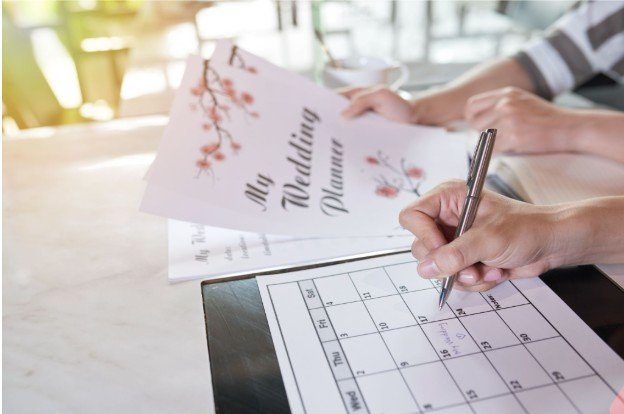
Your master timeline should show the start time, duration, activity, responsible person, vendor involved, and backup plan for every major moment. Build ten- to fifteen-minute buffers around transitions so one delay does not disrupt the entire evening.
Send the final document to all vendors and key helpers at least two weeks before the wedding. Ask your DJ, caterer, photographer, venue manager, bartender, transportation provider, and rental company to confirm that the timing works with their contracts and staffing plans.
Store the timeline, floor plan, family photo list, vendor phone numbers, delivery instructions, and emergency contacts in one shared Google Drive folder. Text or email the link to everyone involved, but also print several copies in case phone service or Wi-Fi becomes unreliable.
What Is a Realistic Five-Hour Wedding Reception Timeline?
The following schedule works well for a reception running from 5:00 PM to 10:00 PM. Adjust it according to your guest count, venue rules, meal style, and vendor contracts.
5:00 PM–6:00 PM: Cocktail Hour and Final Photos
Guests arrive while the bar and appetizer stations open. The DJ plays background music, the catering team prepares dinner, and the photographer completes extended-family portraits. For anyone attending a long outdoor event, planning ahead is also important when considering How to Stay Hydrated at a Music Festival, including drinking water regularly between activities and taking breaks when needed.
Give your photographer a written must-have photo list before the wedding. Include names and family groupings so the photographer can gather relatives efficiently without asking you to identify people during cocktail hour.
6:00 PM–6:15 PM: Grand Entrance and First Dance
The DJ invites guests to take their seats, lines up the wedding party, and confirms that the photographer is ready. After introducing the wedding party and newlyweds, the DJ transitions directly into the first dance.
Combining these moments maintains energy and prevents guests from waiting through unnecessary pauses.
6:15 PM–6:25 PM: Welcome Toast or Blessing
A parent, host, or the couple welcomes guests and offers a blessing if desired. Keep this portion brief so the caterer can begin serving food while it is fresh.
Your DJ should already know who is speaking, how their name is pronounced, and where they will stand.
6:25 PM–7:30 PM: Dinner Service and Table Visits
The catering team begins plated service or releases tables to the buffet. I recommend that the couple eat first so they have time to visit guest tables while everyone else finishes dinner.
Buffets often take longer than expected. Allow approximately 15 to 20 minutes for every 50 guests to move through the line. Larger weddings may require multiple buffet stations or a longer dinner window.
7:30 PM–7:50 PM: Speeches and Toasts

The DJ introduces each speaker and manages the wireless microphone while the photographer prepares to capture reactions.
Ask each speaker to limit remarks to approximately three minutes. The DJ can provide a subtle visual signal when someone approaches the limit. Short speeches usually feel more meaningful and prevent dinner from extending into dancing time.
7:50 PM–8:05 PM: Parent Dances and Cake Cutting
Move directly from speeches into the father-daughter dance, mother-son dance, or other family dances. Follow them immediately with the cake cutting.
Grouping these formalities creates a smooth transition and allows the catering team to begin preparing dessert while guests move toward the dance floor.
8:05 PM–9:45 PM: Open Dancing, Dessert, and Coffee
The DJ opens the dance floor with energetic music while the caterer serves cake, coffee, and any planned late-night snacks.
Avoid interrupting dancing with too many additional activities. Bouquet tosses, anniversary dances, or group photographs can still happen, but schedule only the traditions that genuinely matter to you.
9:45 PM–10:00 PM: Last Call, Final Dance, and Grand Exit
The DJ announces last call at the bar and invites guests to join the final dance. Your designated helpers then organize guests for the grand exit while the photographer gets into position.
Whether you use bubbles, glow sticks, ribbon wands, or a simple farewell line, confirm that your exit materials comply with venue rules.
Who Should Handle Each Reception Responsibility?
Your DJ or MC should act as the master of time. Give them authority to announce dinner, introduce speakers, cue formal dances, open the dance floor, announce last call, and organize the final song.
Your photographer should act as the photo director. They need the family photo list, schedule, venue layout, and names of relatives who can help gather people.
Your non-guest spokesperson should become the main vendor contact. If a rental truck arrives early, the caterer needs an outlet, or the venue has a question, vendors should contact this person instead of interrupting you.
Assign two gift guardians to move cards and gifts to a locked bridal suite, hotel room, or secured vehicle as dinner begins. Two people provide accountability and make it easier to move everything quickly.
Finally, appoint a cleanup lead who knows which décor items belong to you, what the venue will discard, where leftovers should go, and who will return rentals.
How Do You Keep the Reception on Time Without Feeling Rushed?
Buffers are essential. Add extra time to dinner, transportation, family photos, and transitions between formal events. A rigid minute-by-minute schedule can collapse after one small delay, while a flexible schedule gives vendors room to recover.
Decide in advance which events are fixed, flexible, or optional. Venue closing time, transportation pickup, and vendor departure times are usually fixed. Cake cutting and parent dances can move slightly. Games, bouquet tosses, and staged photographs may be shortened or removed.
Ask the DJ and photographer to communicate directly throughout the evening. They should never announce a speech, dance, or cake cutting until both are ready.
What Are the Biggest Mistakes Couples Make?
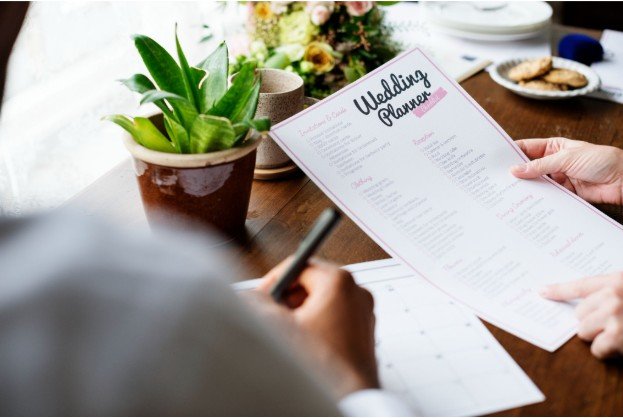
The first mistake is making the couple the main point of contact. Once your reception begins, you should not be solving delivery problems or answering vendor questions.
The second is underestimating dinner. Buffet lines, dietary requests, slow service, and guest conversations can easily extend the meal.
The third is failing to assign cleanup and gift responsibilities. Without clear instructions, personal items may be misplaced, décor may be discarded, and relatives may spend the final hour asking what they should do.
The fourth is sending different versions of the schedule to different vendors. Maintain one master document and update everyone whenever a change occurs.
Frequently Asked Questions (FAQs)
1. Who runs a wedding reception when there is no coordinator?
A trusted spokesperson handles vendor questions, while the DJ or MC manages announcements and event cues. The photographer oversees portraits, and assigned helpers manage gifts, personal belongings, and cleanup.
2. Can the DJ manage the entire reception timeline?
The DJ can control public-facing transitions, but they should not be expected to receive deliveries, resolve catering issues, secure gifts, or supervise cleanup. Assign a separate spokesperson for logistical responsibilities.
3. How much buffer time should I add to the schedule?
Include at least ten to fifteen minutes of flexibility around major transitions. Larger receptions, buffet dinners, separate ceremony locations, and extensive family photographs may require additional time.
4. When should vendors receive the final timeline?
Send the schedule at least two weeks before the wedding and reconfirm it during the final week. This gives vendors time to resolve conflicts involving arrival times, meals, equipment, overtime, or staffing.
5. What belongs in a wedding reception timeline without a coordinator?
It should include vendor arrivals, cocktail hour, the grand entrance, dances, dinner, speeches, cake cutting, open dancing, last call, the final exit, gift security, cleanup assignments, emergency contacts, and built-in buffers.
A Well-Planned Reception Still Feels Natural
I would rather spend my reception talking, dancing, and celebrating than checking the clock or answering vendor calls. That becomes possible when every responsibility has an owner and every vendor follows the same plan.
A thoughtful wedding reception timeline without a coordinator gives your team enough structure to work independently while leaving enough flexibility for spontaneous moments. Prepare early, delegate clearly, and let your trusted helpers manage the logistics while you enjoy the celebration you worked so hard to create.