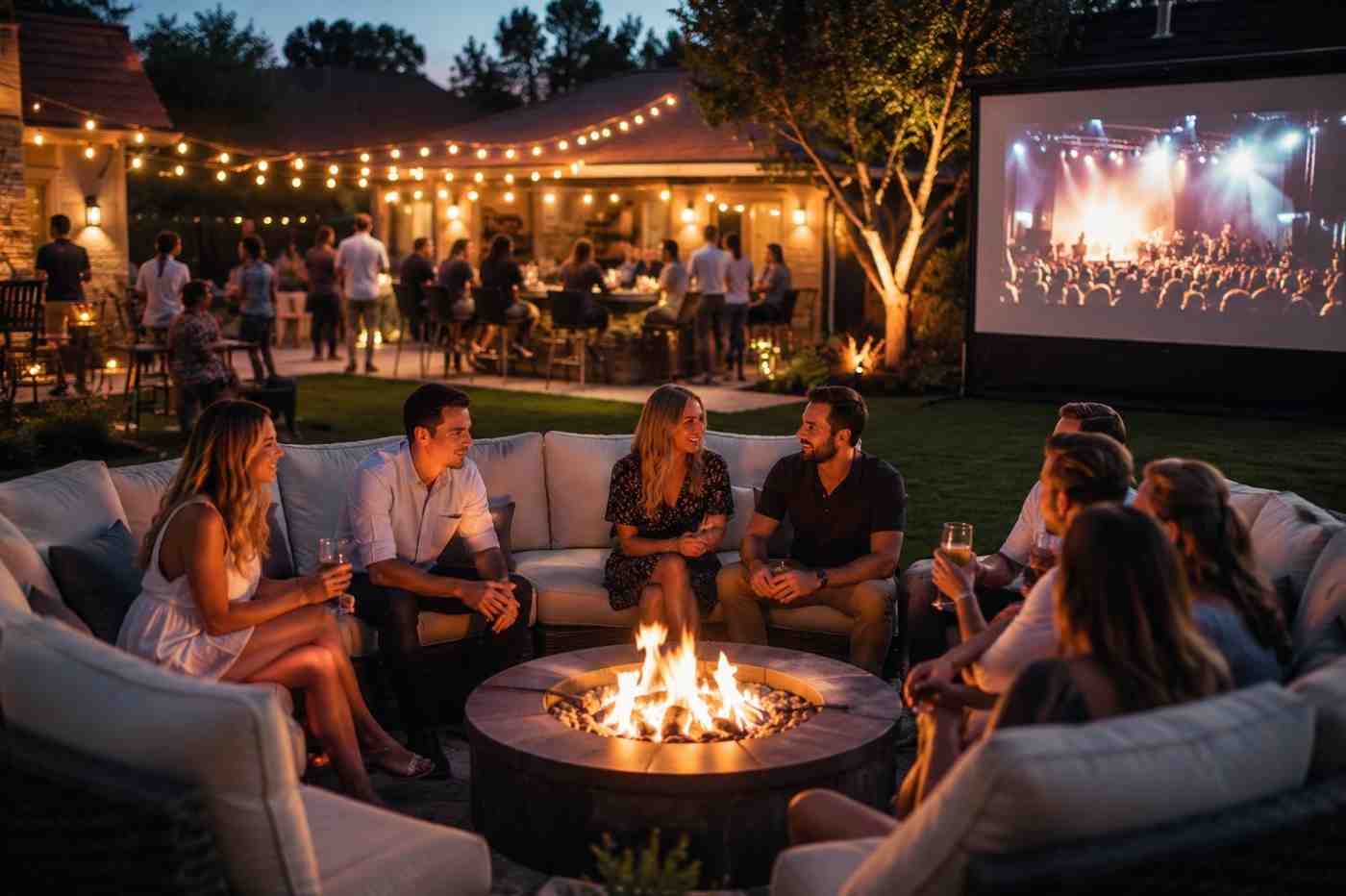
I started noticing that the celebrations people talked about weeks later rarely had the biggest budgets. Instead, they were the ones where everyone felt like part of the action instead of simply watching it unfold. Guests remembered unexpected moments, shared laughs, and little surprises that pulled them into the event from the moment they arrived.
I also found that the best parties didn’t rely on a packed schedule. They created a sense of discovery. Whether it was an interactive game, a themed activity, or a surprise performance, those experiences made people stay engaged naturally. That’s what separates a memorable celebration from one that’s quickly forgotten.
Why Immersive Celebrations Leave a Lasting Impression
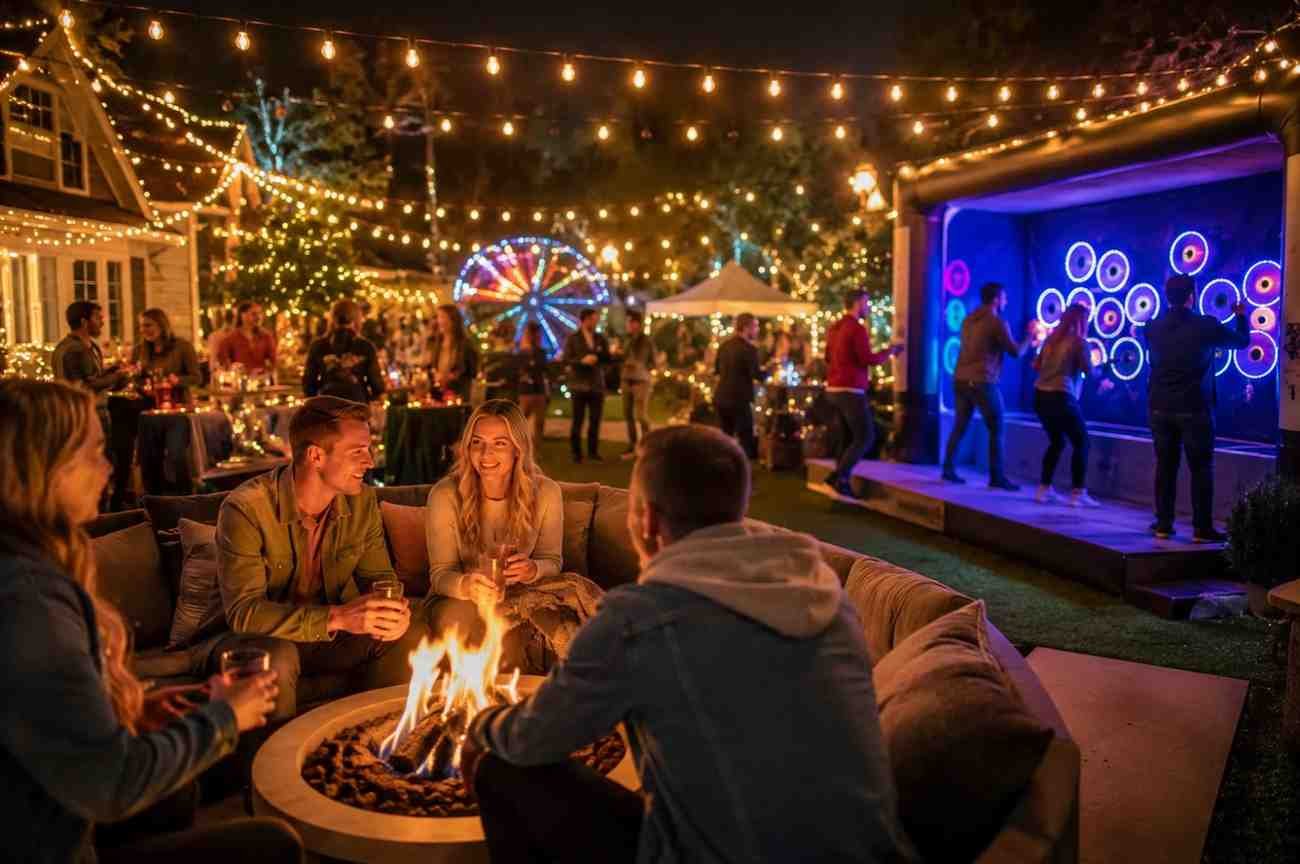
Immersive celebration experiences go beyond decorations and entertainment. They invite guests to participate rather than observe. Instead of moving from one planned activity to another, attendees become part of the story unfolding around them.
This approach appeals to all kinds of events, including birthdays, school festivals, corporate gatherings, neighborhood block parties, and community celebrations. When people feel involved, conversations happen more naturally, strangers become teammates during activities, and the overall atmosphere feels energetic without being forced.
Sensory engagement plays a major role in creating this feeling. Coordinated lighting, themed music, tactile decorations, and even subtle scents help establish a consistent environment. Rather than overwhelming guests, these elements quietly reinforce the event’s theme and make every space feel intentional.
Design the Experience Instead of Just the Schedule
Many event planners spend weeks organizing timelines but very little time thinking about the guest journey. A celebration becomes much more memorable when every stage feels connected.
That experience can begin with creative invitations that introduce the event theme before guests even arrive. Once they enter, themed welcome areas, interactive displays, and live performers immediately set expectations that this won’t be a typical gathering.
Interactive storytelling is another way to maintain excitement throughout the event. Rather than simply watching entertainment, guests can solve riddles, uncover hidden spaces, collect clues, or make choices that influence what happens next. These small moments of participation create stronger emotional connections than passive entertainment alone.
Even simple surprises can keep guests engaged. A hidden dessert room, an unexpected musical performance, or a secret activity revealed later in the evening gives everyone something new to discover.
Entertainment That Invites Guests to Participate
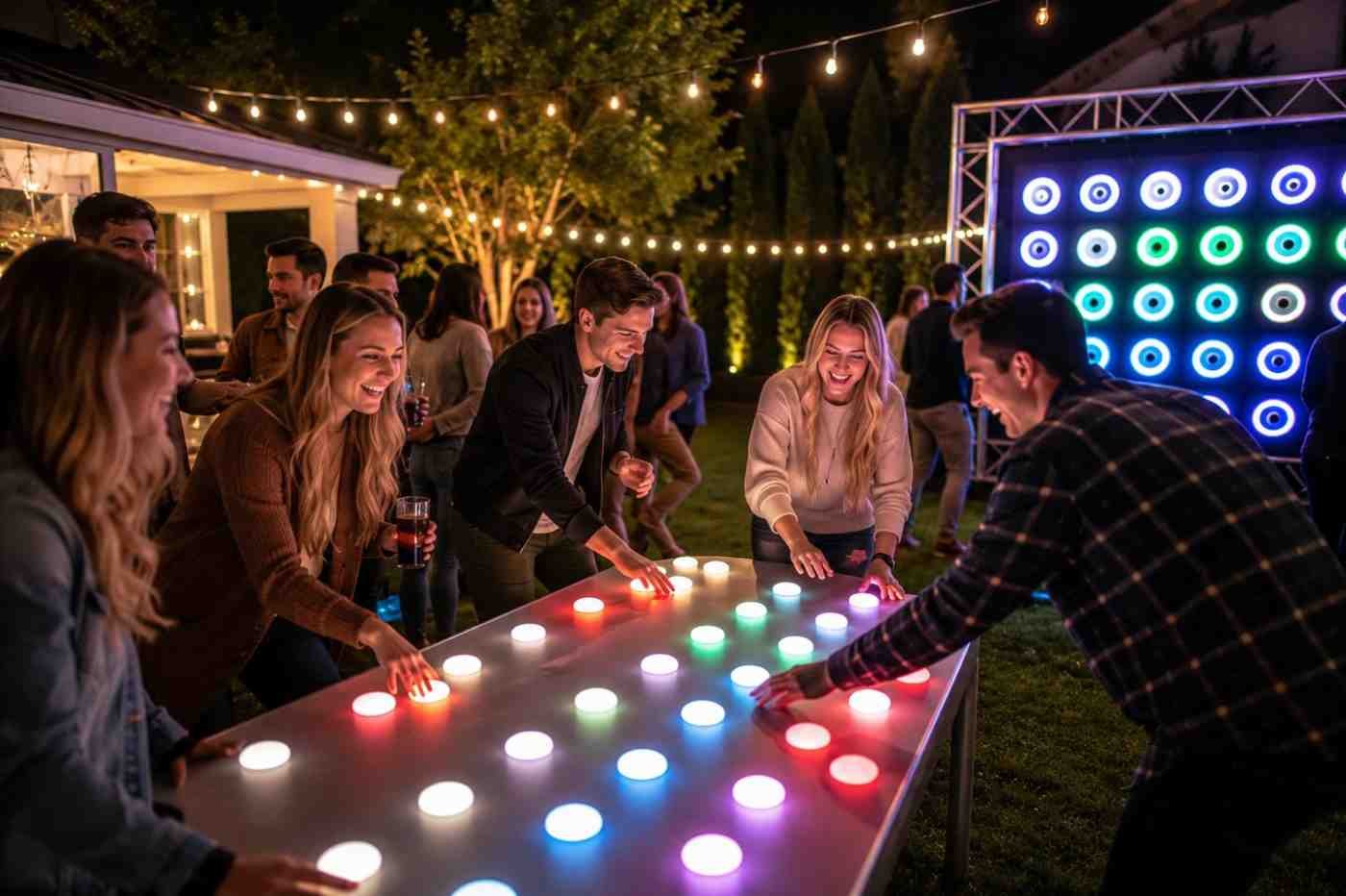
The best entertainment encourages guests to join in at their own comfort level.
Some people enjoy energetic competitions, while others prefer creative activities or casual conversations. Offering different ways to participate allows everyone to feel included without pressure.
Popular interactive entertainment ideas include:
- Escape-style challenges
- Collaborative games
- Mechanical rides
- Live performers interacting with guests
- DIY craft stations
- Trivia competitions
- Silent discos
- Interactive photo booths
Rather than filling every minute with scheduled performances, create spaces where people naturally gather and engage with one another.
Activities That Appeal Across Generations
Successful celebrations recognize that every guest enjoys different experiences.
Children may gravitate toward inflatables, obstacle courses, or carnival games, while teenagers often enjoy competitive attractions and social spaces. Adults appreciate entertainment that encourages conversation without demanding constant participation.
Combining these experiences creates an event where families can spend time together instead of splitting into separate groups.
This is why many organizers look for carnival attractions that work for all age groups, allowing grandparents, parents, teenagers, and children to enjoy the same celebration without anyone feeling left out.
Bring Your Theme to Life
Themes become much more memorable when guests can interact with them instead of simply looking at decorations.
A Time-Travel Gala, for example, could guide visitors through different decades using changing décor, era-specific music, themed refreshments, and performers dressed for each period. Each section feels like stepping into another chapter of history.
A Living Storybook transforms the venue into an interactive fantasy where characters provide clues leading guests toward hidden experiences, surprise desserts, or exclusive entertainment.
Meanwhile, a Neon Arcade Odyssey creates a high-energy environment filled with glowing décor, collaborative arcade games, projection-mapped walls, and multiple silent disco channels where guests choose their own music.
The goal isn’t creating the most elaborate theme possible. It’s creating opportunities for guests to actively explore it.
Make Every Guest Feel Comfortable
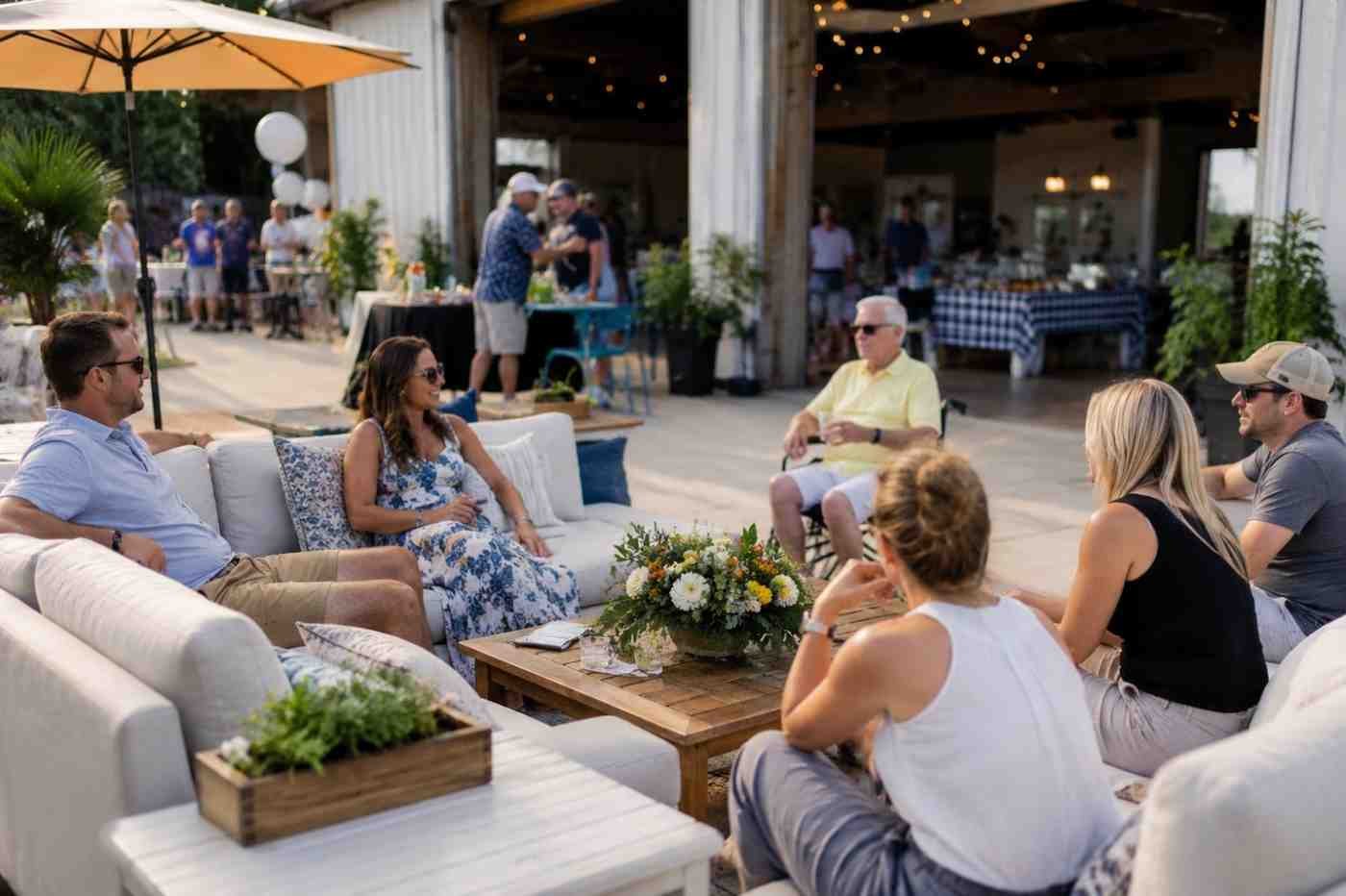
Immersion should never mean pressure.
The strongest celebrations recognize that participation looks different for everyone. Some guests eagerly volunteer for games, while others enjoy observing before joining later.
Providing optional participation levels allows people to choose how involved they want to be.
Accessibility should also be part of the planning process. Clear walkways, mobility-friendly layouts, sensory-friendly quiet areas, and food choices that accommodate different dietary preferences help ensure every guest feels welcome.
These thoughtful details often leave a stronger impression than expensive decorations because they demonstrate genuine consideration for everyone attending.
Common Mistakes That Interrupt the Experience
Even well-planned events can lose momentum if guests become confused or overwhelmed.
Some of the most common mistakes include overcrowding activity areas, scheduling too many attractions at once, relying on long announcements, or making guests wait between experiences.
Transitions matter just as much as entertainment itself. Smooth movement between activities keeps excitement high and prevents people from disengaging.
Another common mistake is making every activity mandatory. Giving guests freedom to explore creates a more relaxed atmosphere and allows everyone to enjoy the celebration in their own way.
FAQs: Immersive Celebration Experiences Everyone Can Enjoy From Start to Finish
1. What makes a celebration immersive?
An immersive celebration encourages guests to participate through interactive activities, storytelling, themed environments, and sensory experiences instead of simply watching entertainment.
2. Are immersive celebrations suitable for family events?
Yes. They work especially well for family gatherings because they offer activities that appeal to children, teenagers, adults, and older guests at the same event.
3. Do immersive celebrations require a large budget?
Not necessarily. Creative storytelling, interactive games, themed décor, and thoughtful planning often have a greater impact than expensive entertainment alone.
4. How can I keep guests engaged throughout the event?
Offer a variety of interactive experiences, allow guests to explore freely, include surprise moments, and create opportunities for conversation and participation rather than relying only on scheduled performances.
What Guests Remember Long After the Celebration Ends
People rarely remember every decoration or every item on the menu, but they do remember how an event made them feel. Immersive celebration experiences create those lasting memories by encouraging curiosity, participation, and genuine connection. When every detail supports the overall experience, guests leave feeling like they were part of something special instead of simply attending another party.
That’s the kind of celebration people continue talking about long after the lights go out.
Leave a Reply