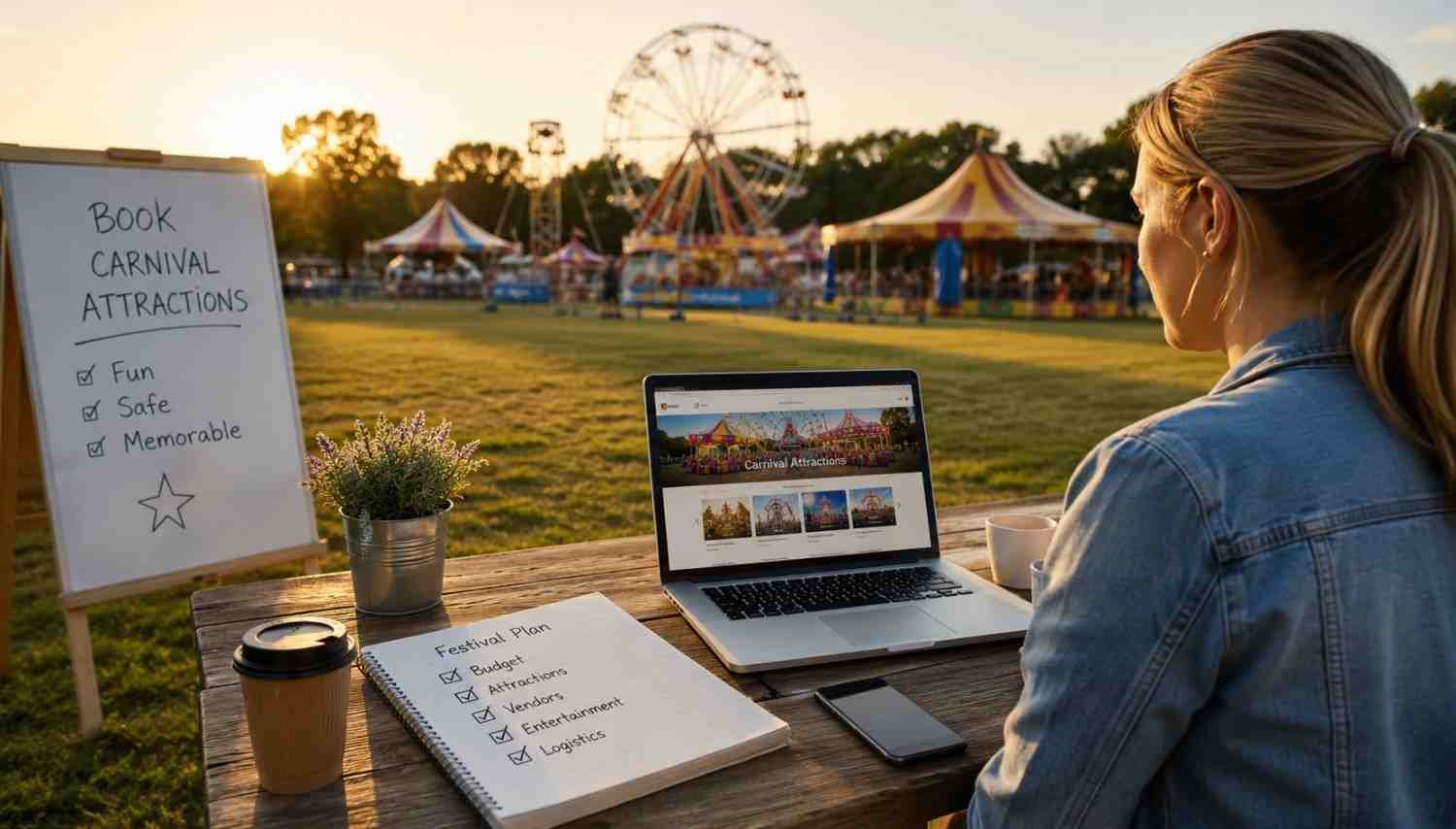
I’ve attended festivals where the rides were packed, families stayed for hours, and every corner seemed to have something worth experiencing. I’ve also seen events where attractions felt randomly placed, long lines frustrated guests, and the excitement faded much earlier than expected. The difference usually wasn’t the size of the budget. It was the planning behind every booking decision.
I also noticed that memorable festivals rarely rely on one spectacular ride alone. Instead, they combine entertainment, thoughtful layouts, and attractions that appeal to different age groups. When every part of the event works together, guests leave with stories they want to share long after the festival ends.
Start by Defining Your Festival Goals
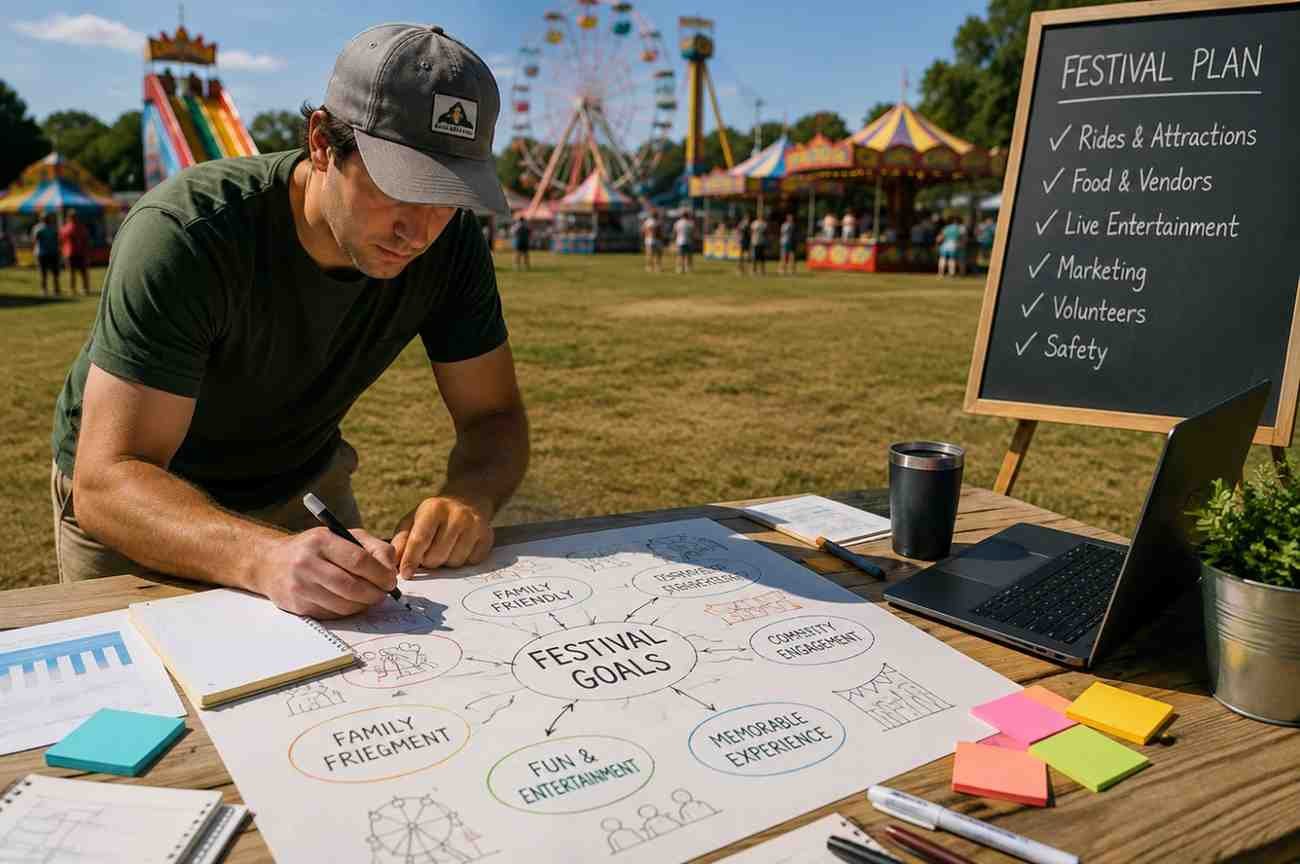
Booking carnival attractions becomes much easier once you know exactly what kind of experience you want to create. Before contacting rental companies, decide who your audience is, how many people you expect, and what your budget allows.
A neighborhood festival with young families requires a very different attraction lineup than a corporate celebration or community fundraiser. Younger children usually enjoy inflatable play zones, trackless trains, and classic carousel rides, while teenagers and adults often look for more interactive entertainment such as climbing walls or mechanical thrill rides.
Budget planning should also happen early. Smaller festivals often spend between $2,000 and $5,000 on inflatables, lawn games, and family entertainment. Larger community festivals with signature rides like Ferris wheels or multiple mechanical attractions can easily exceed $10,000 and continue climbing depending on the scale of the event.
Having realistic financial expectations helps narrow your options before discussions with vendors begin.
Choose Attractions That Work Together
The most memorable festivals don’t simply book the biggest rides available. They create a balanced entertainment mix that keeps guests engaged throughout the day.
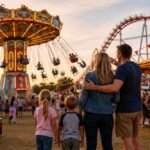
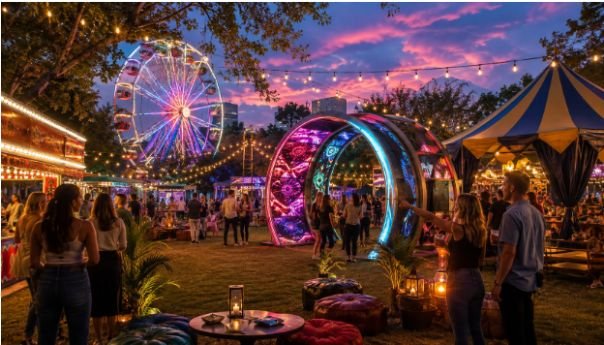
Large mechanical rides naturally become visual landmarks. A Ferris wheel attracts attention from across the venue and creates stunning evening photo opportunities, while a carousel appeals to multiple generations and adds timeless charm to the festival atmosphere.
Interactive attractions keep visitors actively participating instead of simply watching. Inflatable obstacle courses, mobile rock-climbing walls, and dunk tanks encourage movement while reducing congestion around larger rides. These attractions also accommodate more participants over shorter periods, helping improve overall guest flow.
Traditional midway games continue to be crowd favorites because they add friendly competition and give visitors something to take home. Ring toss, balloon pop, basketball shootouts, and milk bottle knockdown booths remain popular because they’re simple, familiar, and fun for nearly every age group.
Rather than filling every available space with attractions, focus on creating variety. Guests appreciate having multiple ways to enjoy the event without feeling overwhelmed.
Match Attractions to Your Audience
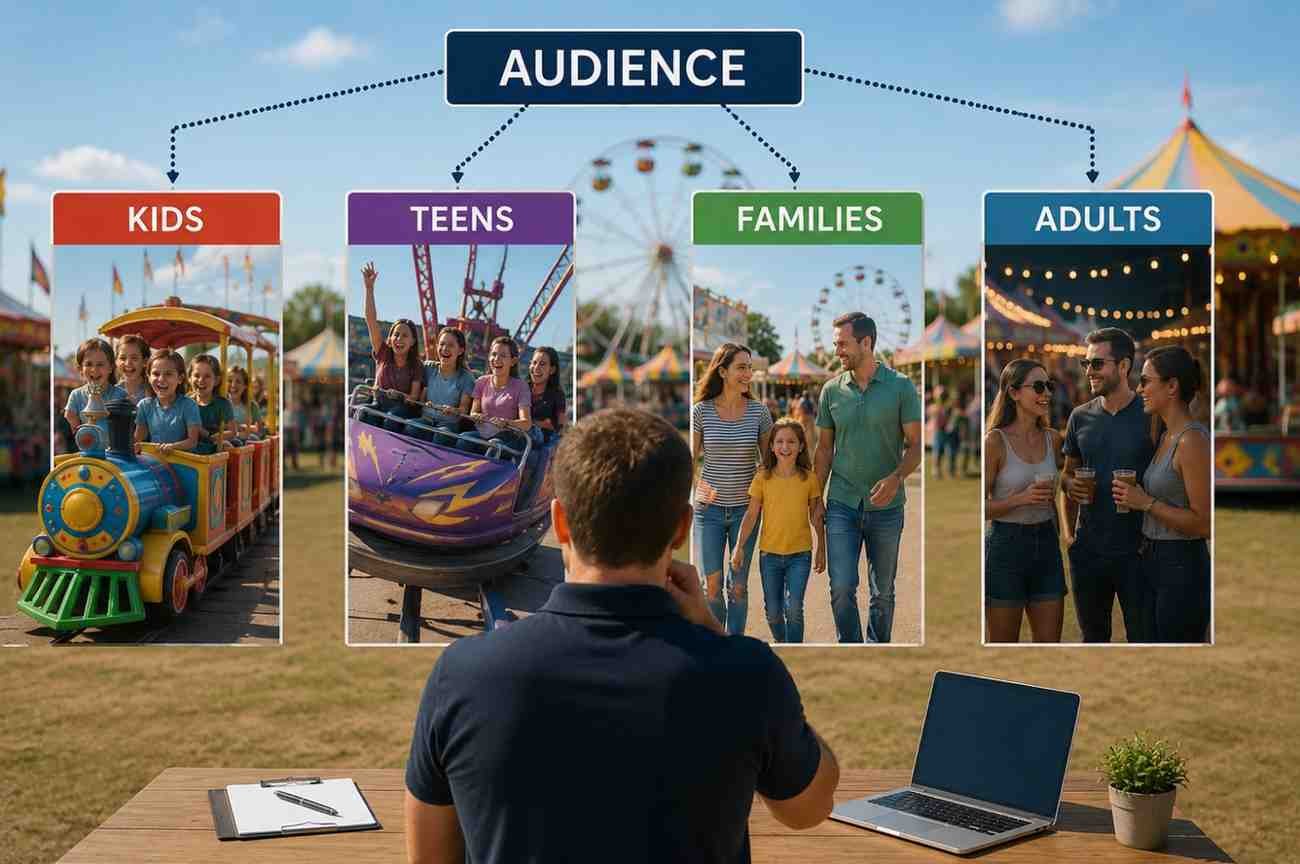
Understanding your audience prevents expensive booking mistakes.
Families with toddlers appreciate gentle attractions where children can participate safely with parents nearby. Community festivals often benefit from petting zoos, train rides, inflatable playgrounds, and interactive activity stations that encourage longer visits.
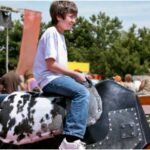
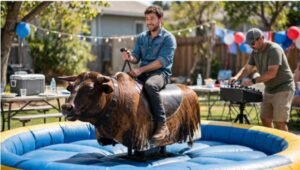
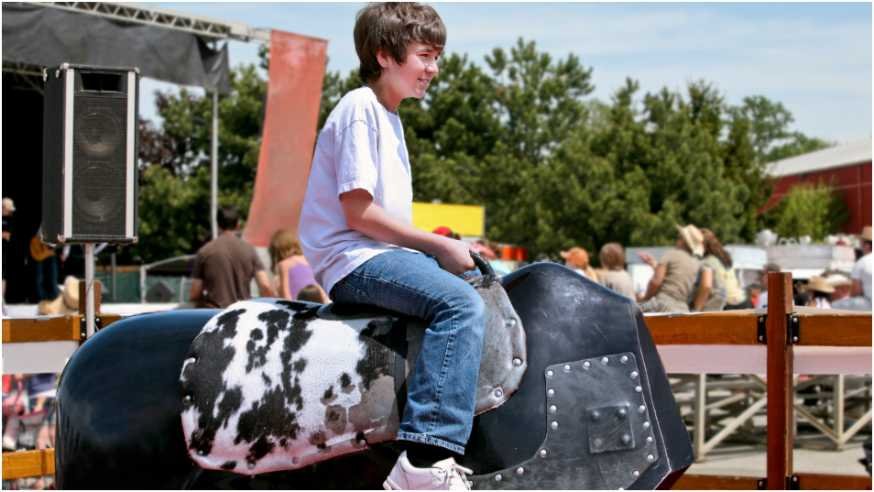
Teenagers usually seek excitement. Mechanical bulls, spinning rides, zipline attractions, and larger obstacle courses naturally become gathering points because they create energy while encouraging spectators to join the excitement.
Corporate events often benefit from attractions that promote friendly competition. Team challenges, carnival games, and interactive activities help coworkers connect in a relaxed environment without requiring everyone to participate in high-thrill rides.
Creating different entertainment zones also supports immersive celebration experiences, allowing every guest to discover attractions that match their interests while reducing overcrowding in one area.
Plan the Site Before Booking Attractions
One of the biggest planning mistakes happens before the first ride even arrives.
Large carnival attractions require more than open space. They often need dedicated power sources, accessible loading areas, level ground, and sufficient room for guests to move comfortably between attractions.
Mechanical rides frequently require generators capable of supporting three-phase electrical systems rather than standard power outlets. Vendors should review your site map in advance to determine electrical needs and recommend appropriate equipment.
Ground conditions matter as well. Asphalt, concrete, or dry compacted grass provides better support than muddy or uneven surfaces. Access gates must also be wide enough for trucks transporting large rides to enter without difficulty.
Local permits, fire marshal inspections, and municipal approvals may also be required depending on the event location. Completing these steps early prevents delays as the festival approaches.
Build a Booking Timeline That Reduces Stress
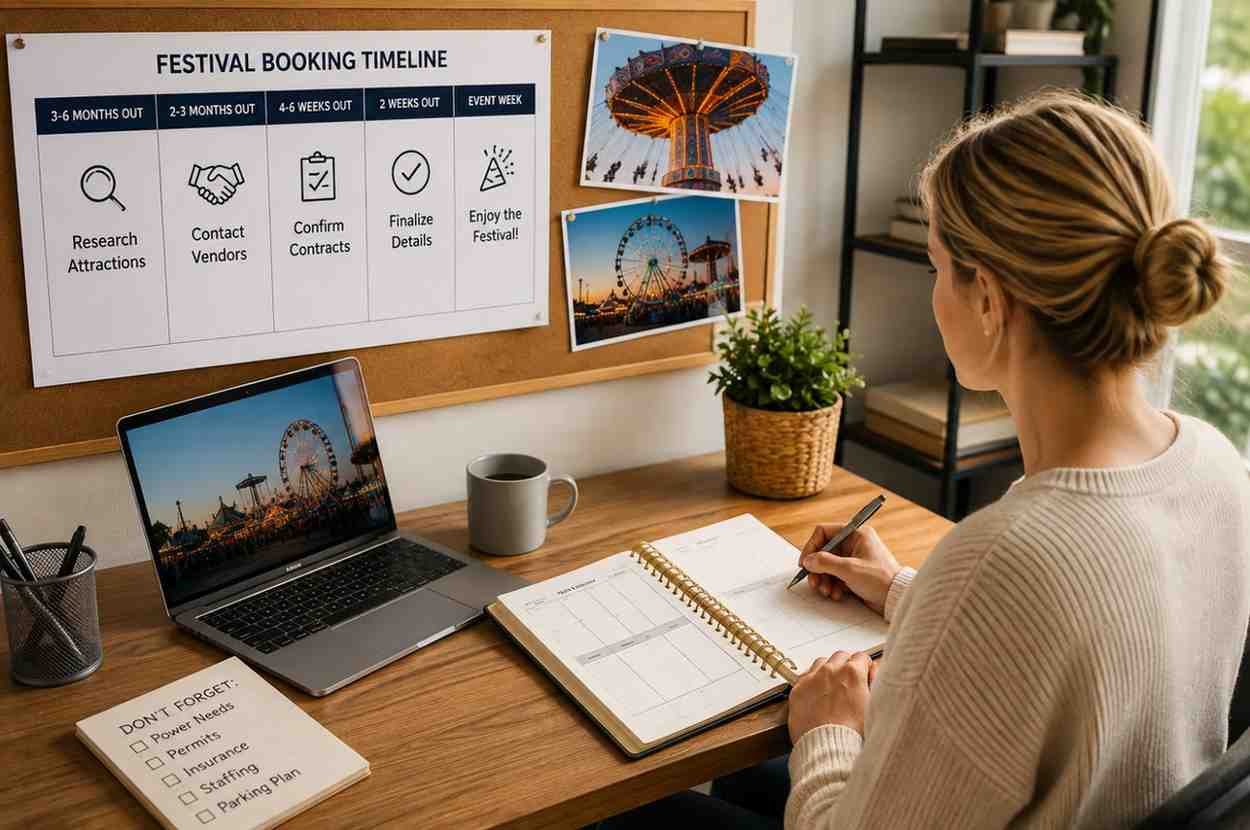
Successful festival organizers rarely wait until the last minute.
Around six to twelve months before the event, begin researching vendors, comparing attraction packages, reviewing contracts, and paying deposits to secure popular dates during peak festival season.
About three months before opening day, finalize permits, confirm municipal approvals, and review insurance documentation. This is also the ideal time to revisit your event layout and adjust attraction placement if attendance estimates change.
During the final month, confirm arrival schedules, setup windows, equipment locations, staffing assignments, and teardown plans with every vendor involved.
Following a structured timeline gives organizers time to solve problems before they become emergencies while ensuring attractions arrive exactly as expected.
Small Details Guests Remember the Most
While spectacular rides attract attention, thoughtful details often shape lasting memories.
Comfortable seating areas, shaded rest zones, clear directional signs, short wait times, and organized pathways all improve the guest experience without dramatically increasing costs. Photo-worthy decorations around signature attractions also encourage visitors to share their experience online, helping extend the festival’s reach long after the event ends.
When attractions, logistics, and guest comfort work together, visitors spend more time exploring, participating, and creating memories instead of navigating avoidable frustrations.
FAQs: How to Book Carnival Attractions for a Festival That Everyone Will Remember
1. How early should carnival attractions be booked?
Most large festivals reserve attractions six to twelve months in advance, especially for weekends and seasonal events when availability becomes limited.
2. What should I ask before hiring a carnival rental company?
Verify insurance coverage, ride inspections, trained operators, setup requirements, cancellation policies, and arrival schedules before signing any agreement.
3. How do I choose the right attractions?
Consider your audience, available space, expected attendance, and budget. A balanced mix of thrill rides, interactive attractions, and midway games usually creates the best experience.
4. Do carnival attractions require special permits?
Many cities require permits, safety inspections, and fire marshal approvals for larger rides. Requirements vary by location, so check local regulations early in the planning process.
The Festivals People Talk About Long After They End
The most successful festivals aren’t remembered simply because they featured the tallest ride or the biggest entertainment budget. They’re remembered because every attraction felt intentional, guests always had something to explore, and the event flowed naturally from one experience to the next. Careful planning, reliable vendors, and thoughtful attraction choices create an atmosphere where families, friends, and communities genuinely enjoy spending time together.
When every booking decision supports the overall experience, your festival becomes more than an event. It becomes a tradition people look forward to year after year.