
One minute, you are saving dreamy venue photos and imagining the perfect celebration. The next, you are comparing contracts at midnight, answering family group chats, and wondering why choosing napkin colors feels like a major life decision.
I learned that how to manage wedding planning stress naturally is not about forcing myself to stay calm every second. It is about creating enough structure, space, and support to enjoy the engagement without letting the planning process take over.
Why Does Wedding Planning Cause So Much Stress?
A wedding brings together money, family relationships, personal expectations, and time-sensitive decisions. You may need to compare dozens of vendors while managing opinions from parents, friends, and social media.
Decision fatigue can make even small choices feel emotionally draining. After comparing venues, photographers, invitation styles, flowers, and seating arrangements, your brain may struggle to evaluate another option. Social media adds pressure by presenting elaborate weddings as everyday standards.
I find it helpful to identify the specific source of stress instead of labeling the entire wedding “overwhelming.” Ask whether the main problem is the budget, family conflict, vendor uncertainty, too many choices, or an unequal division of labor. A specific problem is much easier to address.
How Can I Set Wedding-Planning Boundaries That Work?
Time-Box Your Weekly Planning Sessions
Choose one recurring planning window each week and limit it to approximately one hour. Use that meeting to review deadlines, make urgent decisions, assign responsibilities, and update your budget.
You may need occasional additional sessions as the wedding approaches, but a default time limit prevents planning from spreading into every evening. The Knot and David’s Bridal similarly recommend setting boundaries and stepping away from wedding-related tasks regularly.
Schedule No-Wedding Dates

Protect certain evenings, dates, or weekends from wedding conversations. During that time, do something you enjoyed together before becoming engaged. Watch a movie, visit a new restaurant, meet friends, or spend an afternoon outdoors.
Couples in online wedding communities frequently describe mental distractions and no-wedding dates as helpful ways to create breathing room. These experiences are anecdotal, but they reinforce an important principle: your relationship needs time that is not centered on event management.
Limit Your Inspiration Folder
Pinterest, Instagram, and TikTok can inspire creative ideas, but they can also encourage comparison and perfectionism. Select 10 to 15 images that best represent your vision, then stop adding new ones.
When making a specific decision, narrow your choices to three realistic options that suit your priorities and budget. More choices do not necessarily produce a better wedding; they often create decision paralysis.
Create a Digital FAQ Hub for Guests
Use your wedding website to answer recurring questions about travel, hotel blocks, dress codes, parking, registries, plus-one rules, and event times. A clear FAQ page can reduce repeated texts and calls while helping guests find accurate information independently.
What Natural Techniques Calm Wedding Anxiety?
Practice Exhale-Focused Breathing
Try a physiological sigh when tension rises: inhale through your nose, take a second shorter inhale, and follow it with a slow, extended exhale through your mouth. Repeat gently for several rounds.
Avoid claims that breathing instantly lowers cortisol. However, research suggests that five minutes of daily exhale-focused cyclic sighing may improve mood and reduce respiratory rate and feelings of anxiety.
Move Your Body Every Day

Walking, running, dancing, strength training, yoga, or another enjoyable activity can give physical tension a healthy outlet and support your mood. You do not need an intense workout. A phone-free walk can interrupt repetitive thoughts and create distance from a frustrating vendor email or family disagreement.
Try Five Minutes of Mindfulness
Use a meditation app such as Insight Timer or Headspace, follow a free guided session, or simply sit quietly and notice your breathing. Five to 10 minutes can help you reconnect with the present instead of mentally rehearsing every possible wedding problem.
Mindfulness should support your planning routine, not become another task you feel pressured to perform perfectly.
Protect Sleep, Meals, and Hydration
Late-night planning often feels productive, but it can reduce concentration and increase irritability the following day. Set a firm stopping time and write unfinished thoughts in a notebook rather than reopening your laptop.
Eat regular meals with protein, fiber, and satisfying carbohydrates, especially on busy appointment days. Drink water throughout the day and reduce caffeine when you feel unusually restless or struggle to sleep. Hitched also highlights hydration, caffeine limits, adequate sleep, and breaks from planning as practical wedding stress-management habits.
Practice Radical Acceptance
Accept that minor problems will happen. A guest may cancel, the weather may change, or a decoration may look slightly different from the inspiration photo.
Acceptance does not mean ignoring preventable issues. It means recognizing that a meaningful wedding does not require flawless execution. Decide what truly matters, prepare reasonable backup plans, and allow small imperfections to remain small.
How Should Couples Divide Wedding-Planning Responsibilities?
Avoid asking your partner to “help” with a project that still belongs entirely to you. Instead, divide full areas of ownership according to your strengths.
One partner might handle vendor communication, transportation, and music, while the other manages the budget, stationery, and catering. The person who owns a category should track its deadlines and follow-ups without requiring constant reminders.
You can also delegate discrete tasks to eager relatives or wedding-party members. Ask someone to research hotel room blocks, collect family addresses, confirm transportation details, or organize welcome bags. Give each person a clear task, deadline, budget, and expected outcome.
When your budget allows, consider hiring a full-service planner, partial planner, or day-of coordinator. Professional support can reduce the logistical workload, but discuss the scope carefully so you know which responsibilities remain yours.
How Can I Handle Family Pressure and Budget Anxiety?
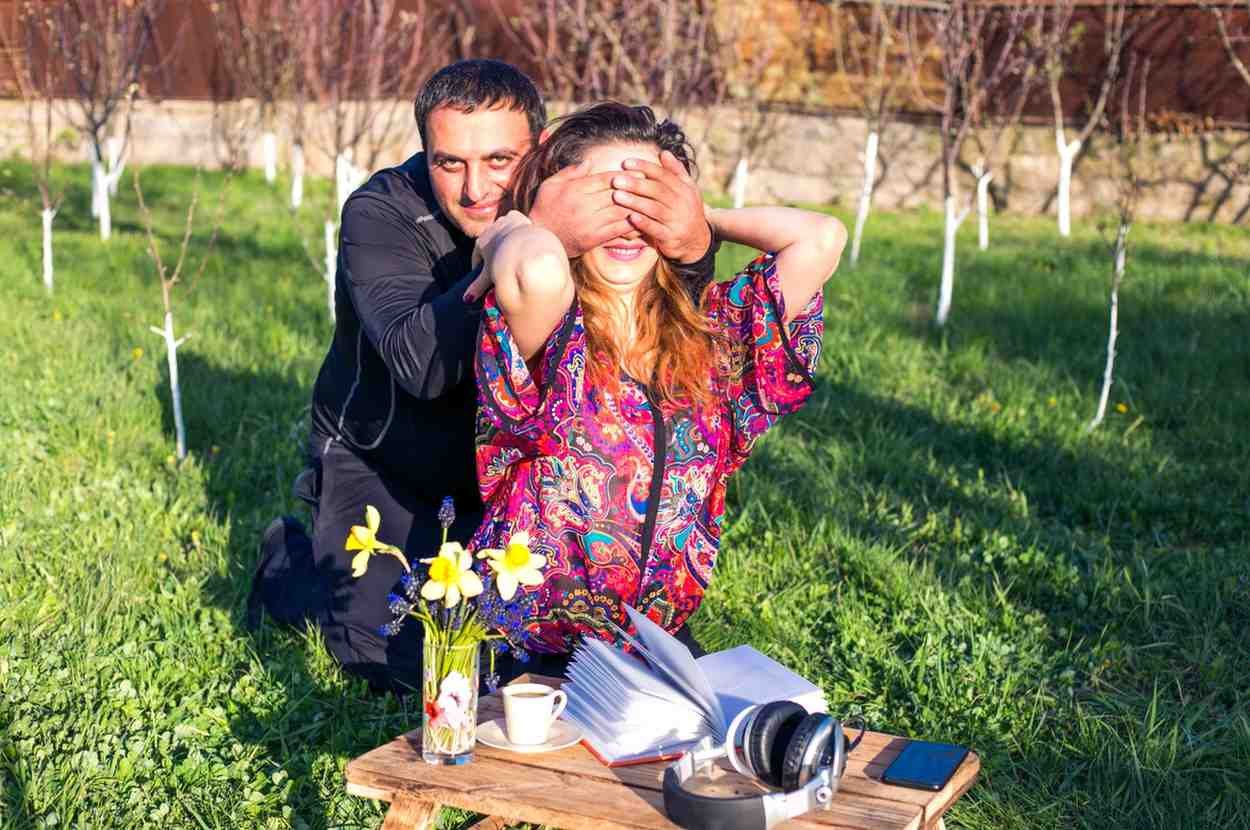
Set boundaries early when relatives offer repeated opinions. You might say, “We appreciate the suggestion, but we have already chosen what works for us.” You do not need to share every price, disagreement, or unfinished decision.
For financial stress, review your total budget, deposits, remaining balances, and emergency cushion before approving new expenses. Choose three priorities that matter most to you and your partner. Spending according to shared values can make it easier to decline upgrades that do not improve your experience.
What Is a Five-Minute Wedding Stress Reset?
When you feel overwhelmed, stop checking messages and step away from social media. Take several slow breaths, write the exact problem in one sentence, and ask whether it requires action today. Choose one manageable next step and postpone all nonurgent decisions until you feel calmer.
This brief reset prevents one unexpected problem from turning into an exhausting evening of rushed choices.
Frequently Asked Questions (FAQs)
1. How do I stop thinking about wedding planning constantly?
Keep every task in one central planning hub, schedule designated planning hours, batch vendor emails, and protect wedding-free evenings. Writing down unfinished tasks can also help you mentally release them.
2. How can I manage wedding planning stress naturally every day?
Use regular movement, exhale-focused breathing, adequate sleep, balanced meals, hydration, mindfulness, clear boundaries, and realistic planning limits. Consistent habits usually provide more support than waiting until burnout develops.
3. Can wedding planning damage a relationship?
Stress can expose differences in communication, spending, family boundaries, and responsibility sharing. Weekly check-ins, complete task ownership, honest conversations, and no-wedding dates can reduce resentment.
4. When should I get professional help for wedding anxiety?
Consider speaking with a licensed mental health professional if anxiety consistently disrupts your sleep, appetite, work, relationships, or daily functioning. Persistent panic, hopelessness, or severe conflict deserves appropriate support.
Creating a Calmer Engagement Experience
When I think about how to manage wedding planning stress naturally, I focus on progress rather than perfection. A structured schedule, clear boundaries, physical stress regulation, and an equal division of labor can make the process feel far more manageable.
Your wedding deserves thoughtful planning, but your well-being should remain a non-negotiable part of the budget and timeline. That includes thinking ahead about how to avoid heat exhaustion at a summer wedding while protecting your relationship and accepting that minor imperfections will happen. With the right mindset, planning can feel like a shared experience rather than an extended test of endurance.
Leave a Reply