
The bass is pounding, the crowd is moving, and the air smells like food trucks, dry grass, and summer heat. For most festivalgoers, that mix feels exciting. For someone with asthma, it can also signal smoke, pollen, dust, humidity, and long hours of physical activity.
I never want breathing concerns to take over an experience I have been looking forward to, which is why I rely on outdoor festival safety tips for people with asthma before I step through the gates. With the right preparation, I can protect my lungs, reduce hearing risks, and still enjoy every stage, performance, and unforgettable moment.
Why Can Outdoor Festivals Be Challenging for People With Asthma?
Outdoor festivals expose visitors to several asthma triggers at once. Unlike indoor venues, these events often take place in parks, fairgrounds, or open fields where pollen, mold spores, and dust circulate freely. Add cigarette smoke, vaping, barbecue smoke, fireworks, and stage effects, and the air can quickly become irritating for sensitive lungs.
Walking long distances between stages, dancing, carrying heavy bags, and standing for hours also increase breathing rates, making it easier for airborne irritants to reach the lungs. Hot weather and humidity may worsen symptoms even further, especially during summer festivals across the United States.
Preparing before arriving helps me enjoy the event instead of reacting to symptoms after they begin.
How Should I Prepare Before Attending an Outdoor Festival?

Preparation starts several days before the event. I make sure my asthma is well controlled, continue taking my prescribed controller medication, and carry my rescue inhaler wherever I go. I also review my asthma action plan and save a digital copy on my phone in case I need quick access.
Before leaving home, I check the local weather forecast, pollen count, and the Environmental Protection Agency’s Air Quality Index (AQI) through AirNow. If air quality reaches unhealthy levels for sensitive groups or wildfire smoke is expected, I carefully consider whether attending is the safest decision.
I also tell the friends attending with me that I have asthma, where I keep my inhaler, and what they should do if I begin having difficulty breathing. Choosing a meeting point and locating the festival’s medical tent before the event begins makes emergencies much easier to manage.
What Should I Bring to Protect My Health Throughout the Day?
Packing the right supplies makes a noticeable difference.
I never leave home without my rescue inhaler, water bottle, sunscreen, sunglasses, portable phone charger, emergency contact information, and any prescribed medications. If the festival lasts all day or includes camping, I also bring extra medication and keep it with me rather than leaving it inside a hot vehicle or tent.
Because loud music can damage hearing surprisingly quickly, I also pack high-fidelity earplugs. Festival sound levels frequently exceed 100 decibels, and prolonged exposure can contribute to permanent hearing damage or tinnitus in less than 15 minutes without adequate hearing protection.
High-fidelity earplugs lower volume evenly while preserving music quality, making them an excellent choice for concerts. Foam earplugs provide greater noise reduction but slightly reduce sound clarity, while custom-molded earplugs are ideal for people who attend festivals regularly.
If in-ear protection is uncomfortable, over-ear hearing protection offers another effective option. These are essential Festival Ear Protection Tips for Adults, helping festivalgoers enjoy live music while reducing the risk of excessive noise exposure.
How Can I Avoid Common Asthma Triggers During the Festival?
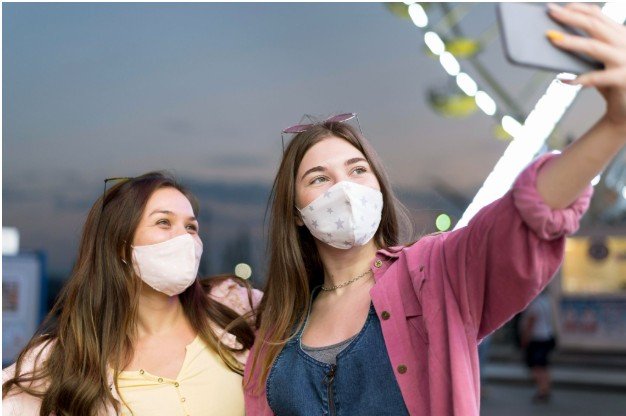
The easiest way to prevent symptoms is to recognize triggers before they become a problem.
Whenever possible, I avoid smoking areas, vaping sections, barbecue smoke, campfires, fireworks, and heavy traffic around food vendors. Dusty parking lots and dry walking paths can also irritate the airways, so I choose paved routes whenever available.
Heat and humidity require equal attention. I drink water regularly instead of waiting until I feel thirsty, spend time in shaded areas throughout the day, and avoid pushing myself during the hottest afternoon hours.
If pollen levels are especially high, I try not to sit directly on grassy areas and wash my hands and face whenever possible to remove pollen that collects on my skin.
Why Should I Pay Attention to Air Quality and Noise Levels?
Many festivalgoers check only the weather forecast, but air quality and sound exposure deserve just as much attention.
Poor air quality caused by ozone, wildfire smoke, vehicle exhaust, or industrial pollution can trigger asthma symptoms even when the sky appears clear. Monitoring AQI before and during the event allows me to make informed decisions about limiting outdoor exposure if conditions worsen.
Noise exposure is equally important. Standing directly in front of speaker towers dramatically increases sound intensity. Instead, I choose locations farther back from the stage whenever possible. I also insert my earplugs before entering active concert areas rather than waiting until my ears begin ringing.
To further reduce my risk, I use a smartphone decibel meter app to monitor sound exposure throughout the day. Taking a ten-minute sound break every hour by stepping away from the stage allows my ears time to recover while giving my lungs a chance to rest in a less crowded environment.
Staying hydrated also supports healthy circulation, which helps protect the delicate hair cells inside the inner ear.
What Should I Do If My Asthma Symptoms Begin?

Even with careful planning, symptoms can occasionally develop.
If I notice coughing, chest tightness, wheezing, or increasing shortness of breath, I immediately move away from the trigger whenever possible. Whether the problem is smoke, dust, pollen, or overcrowding, cleaner air often provides noticeable relief.
I then follow my asthma action plan and use my prescribed rescue medication exactly as directed. If symptoms continue to worsen, speaking becomes difficult, breathing remains labored, or my medication does not provide relief, I seek immediate medical attention instead of trying to finish the event.
Knowing when to leave the festival is just as important as knowing how to prepare for it.
Can You Still Enjoy Outdoor Festivals If You Have Asthma?
Absolutely. Having asthma should not automatically prevent anyone from attending outdoor concerts, food festivals, or seasonal celebrations. Careful preparation, awareness of personal triggers, proper medication management, hearing protection, and smart pacing allow me to enjoy the experience while minimizing unnecessary risks.
Following outdoor festival safety tips for people with asthma helps me focus on creating memories instead of worrying about breathing problems or preventable hearing damage.
Frequently Asked Questions (FAQs)
1. Can people with asthma safely attend outdoor festivals?
Yes. Most people with controlled asthma can safely attend festivals by following outdoor festival safety tips for people with asthma, checking air quality, carrying prescribed medication, and avoiding personal triggers.
2. Can loud music trigger asthma?
Loud music itself usually does not trigger asthma, but physical exertion, stress, smoke, and poor air quality commonly found near stages may contribute to breathing symptoms.
3. What type of earplugs are best for music festivals?
High-fidelity earplugs are generally the best choice because they reduce sound volume evenly while maintaining music quality. Frequent festivalgoers may also benefit from custom-molded earplugs.
4. Should I check air quality before attending a festival?
Yes. Checking the Air Quality Index through AirNow before leaving home helps determine whether outdoor conditions are safe for people with asthma.
5. When should I leave a festival because of asthma symptoms?
Leave immediately if breathing becomes increasingly difficult, your rescue medication is not helping, or you experience severe chest tightness, persistent wheezing, or difficulty speaking.
Wrapping Up
Outdoor festivals should be exciting, not stressful. I have learned that planning ahead makes all the difference. By monitoring air quality, avoiding smoke and dust, carrying my inhaler, protecting my hearing with quality earplugs, staying hydrated, and recognizing symptoms early, I can enjoy every performance with greater confidence.
A little preparation before the gates open helps ensure the only memories I bring home are great music, unforgettable experiences, and peace of mind.
Leave a Reply